


Common Questions About Spray Foam Insulation and Roof Repair
Spray foam insulation and roof repair often go together because both affect moisture control, energy efficiency, and the long-term condition of the home.
Roof leaks, poor ventilation, damaged shingles, and moisture problems can reduce the effectiveness of insulation and create costly damage over time.
Many homeowners consider spray foam insulation to improve comfort and lower energy bills, but it is important to make sure the roof is in good condition first.
A damaged roof can allow water into the attic, walls, and crawl space, which may reduce insulation performance and contribute to mold, mildew, and wood rot.
Understanding how roof repair and spray foam insulation work together can help homeowners make better decisions about home improvement projects.
Why Roof Repair Matters Before Spray Foam Insulation
Roof damage can allow water to enter the home and create hidden problems in areas where insulation is installed.
Even small leaks can lead to moisture buildup in the attic, damaged insulation, and long-term structural concerns.
Common roof problems that should be repaired before adding spray foam insulation include:
- Missing or damaged shingles
- Roof leaks
- Damaged flashing
- Sagging roof decking
- Poor attic ventilation
- Water stains on ceilings or walls
- Mold or mildew in the attic
- Soft or rotting roof materials
Repairing these issues first can help create a dry, stable environment for insulation.
How Spray Foam Insulation Supports Roof Performance
Spray foam insulation can help improve energy efficiency and reduce air leaks throughout the home.
It is often installed in attics, crawl spaces, garages, and walls where moisture and drafts are common.
Benefits of spray foam insulation include:
- Better indoor comfort
- Lower heating and cooling costs
- Reduced air leakage
- Improved attic moisture control
- Better temperature consistency
- Less strain on HVAC systems
- Reduced drafts and humidity
When combined with roof repair, spray foam insulation can help protect the attic from excess moisture and improve long-term roof performance.
Signs Your Roof May Need Repair Before Insulation Installation
Homeowners should schedule a roof inspection before adding spray foam insulation.
This helps identify damage that could affect the insulation or lead to future water problems.
Signs roof repair may be needed include:
- Water stains on ceilings
- Missing shingles
- Visible mold in attic spaces
- Damp insulation
- Drafts near the attic
- Sagging roof areas
- Rising energy bills
- Daylight visible through the roof boards
These signs may indicate that the roof is allowing moisture or outside air to enter the home.
Even small leaks or damaged shingles can create hidden problems inside the attic, walls, or roof decking.
If spray foam insulation is installed before these roofing issues are repaired, moisture can become trapped and cause mold, mildew, wood rot, and insulation damage.
This may reduce the effectiveness of the insulation and increase the risk of larger structural problems in the future.
A roof inspection can help determine whether repairs should be completed before insulation is installed.
Professional contractors can identify hidden leaks, damaged flashing, attic ventilation issues, and other concerns that may affect long-term roof and insulation performance.
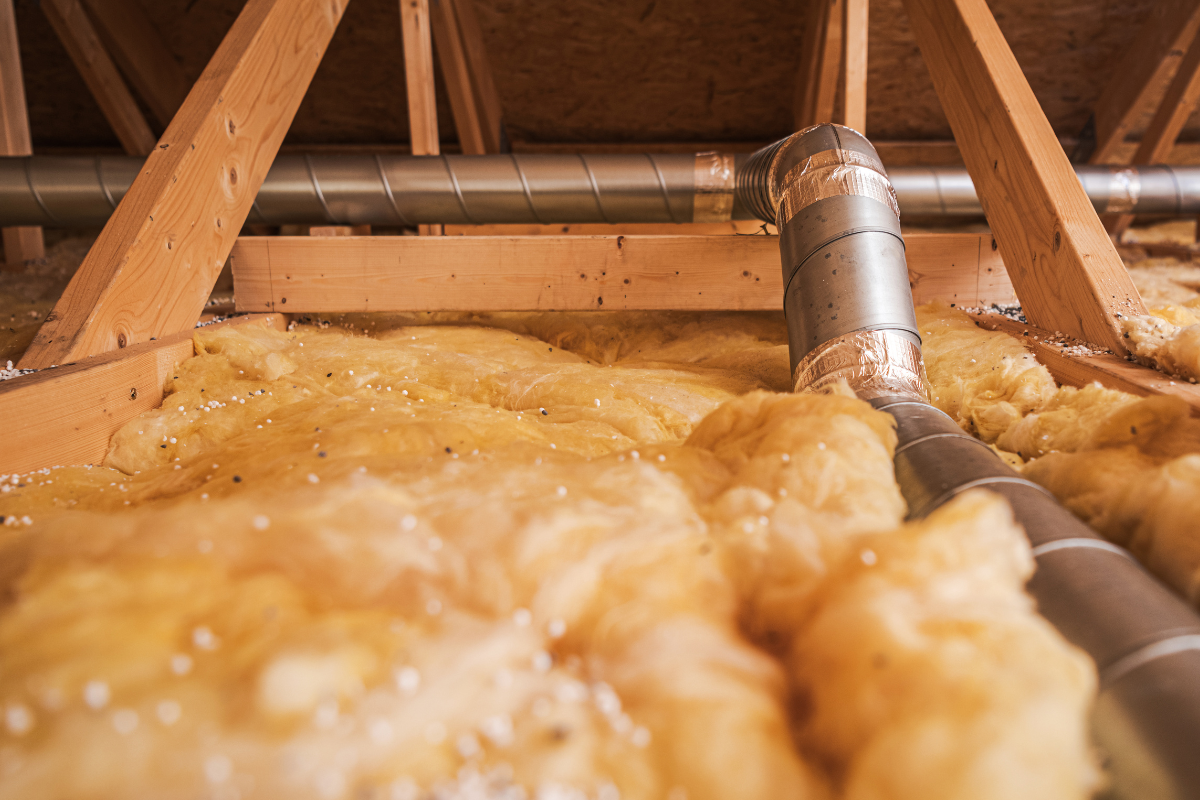
Why Homeowners Often Address Both Roof Repair and Insulation Together
Many homeowners choose to repair the roof and upgrade insulation at the same time because both systems affect comfort, moisture control, and energy efficiency.
Since the roof and attic work together to protect the home, addressing both areas during one project can help improve long-term performance.
Addressing roof leaks, damaged shingles, flashing problems, and ventilation issues first can help create a better environment for spray foam insulation.
If insulation is installed before these roofing problems are repaired, moisture may continue to enter the attic and reduce insulation performance.
Combining roof repair and insulation upgrades may also help homeowners avoid future moisture damage, reduce air leaks, and improve indoor comfort throughout the year.
It can also make the attic more energy efficient and reduce strain on heating and cooling systems.
Combining these projects may also help:
- Lower energy bills
- Improve indoor comfort
- Reduce humidity problems
- Protect attic materials
- Improve roof lifespan
- Reduce maintenance needs
Many homeowners find that completing both projects together is more cost-effective because contractors can inspect the roof, attic, insulation, and ventilation systems at the same time.
This can help identify hidden issues early and reduce the need for additional repairs later.
Learn More About Spray Foam Insulation and Roof Repair
Spray foam insulation and roof repair work together to protect the home from moisture, air leaks, and energy loss.
When roof damage is repaired before insulation is installed, homeowners can often improve long-term performance and reduce the risk of future problems.
Eagle Watch Roofing helps homeowners evaluate roof condition, attic moisture, insulation concerns, and ventilation issues.
Professional inspections can help determine whether roof repair should be completed before spray foam insulation is added.
Frequently Asked Questions
Can spray foam insulation be installed if the roof has a leak?
It is usually best to repair roof leaks before spray foam insulation is installed. Existing leaks can trap moisture inside the attic or walls and lead to mold, wood rot, and insulation damage. If spray foam is added before the leak is fixed, moisture may become trapped in hidden areas and create larger problems over time. A roof inspection can help identify and correct leaks before insulation is installed.
Does spray foam insulation stop roof leaks?
No, spray foam insulation can help reduce drafts and improve moisture control, but it does not repair roof leaks. Damaged shingles, flashing, and roof decking still need to be repaired. Roof leaks should be addressed directly to prevent water from entering the attic or walls. Once repairs are complete, spray foam insulation can help improve the home’s energy efficiency and comfort.
Can damaged insulation affect roof performance?
Yes, wet or damaged insulation can contribute to excess attic moisture, poor ventilation, mold growth, and higher energy costs. Over time, this can affect the condition of the roof and attic. Damp insulation may also allow heat to build up inside the attic, which can place extra stress on roofing materials. Replacing damaged insulation can help improve attic conditions and support better roof performance.
How do I know if my attic has moisture problems?
Common signs include mold, mildew odors, damp insulation, water stains, condensation, and poor indoor air quality. A professional inspection can help identify hidden moisture issues. Homeowners may also notice musty smells, peeling paint, or visible water stains near the ceiling. Addressing attic moisture early can help prevent damage to the roof, insulation, and interior materials.
Is spray foam insulation good for attics?
Spray foam insulation is commonly used in attics because it can help seal gaps, reduce air leaks, and improve energy efficiency. It may also help control humidity and indoor comfort. Many homeowners choose spray foam because it can create more consistent indoor temperatures and reduce strain on heating and cooling systems. Proper installation is important to ensure the attic remains dry and well-protected.
Can poor attic ventilation damage insulation?
Yes, poor ventilation can trap heat and moisture inside the attic, which may reduce insulation performance and contribute to mold, mildew, and wood rot. Over time, trapped moisture can also damage roof decking, insulation materials, and attic framing. Improving attic ventilation can help protect both the insulation and the roof system from long-term damage.