


Is Winter the Right Time for a New Roof Installation? Pros and Cons
Winter can be a suitable time for a new roof installation in Newnan, but the decision depends more on weather conditions, roof damage, and material requirements than on the season alone.
Georgia winters are generally milder than those in northern climates, creating workable installation days. However, low temperatures, rain, frost, and shorter daylight hours can still affect the schedule.
If your roof is leaking, missing shingles, or showing significant deterioration, postponing replacement until spring could allow water to cause more damage. If the project is not urgent, understanding the advantages and limitations of winter roofing can help you choose the right time.
Can One Install a Roof in Winter?
Yes, a roof can be installed during winter when conditions are safe, and the roofing materials can be applied according to the manufacturer’s requirements.
The calendar alone does not determine whether installation should proceed. Roofers must consider the temperature, moisture, wind, roof surface, and short-term forecast.
Newnan does not typically experience the prolonged snow and deep freezes common in colder parts of the country.
That gives roofing crews more opportunities to work during winter. Still, installation may need to pause when the roof is wet, icy, frosted, or exposed to unsafe winds.
Asphalt shingles also require careful handling in cold weather. They may become less flexible as temperatures fall, and their factory-applied sealant strips may take longer to bond.
Experienced crews can adjust their handling, fastening, storage, and sealing methods when the product instructions permit cold-weather installation.
Advantages of Installing Roof During Winter
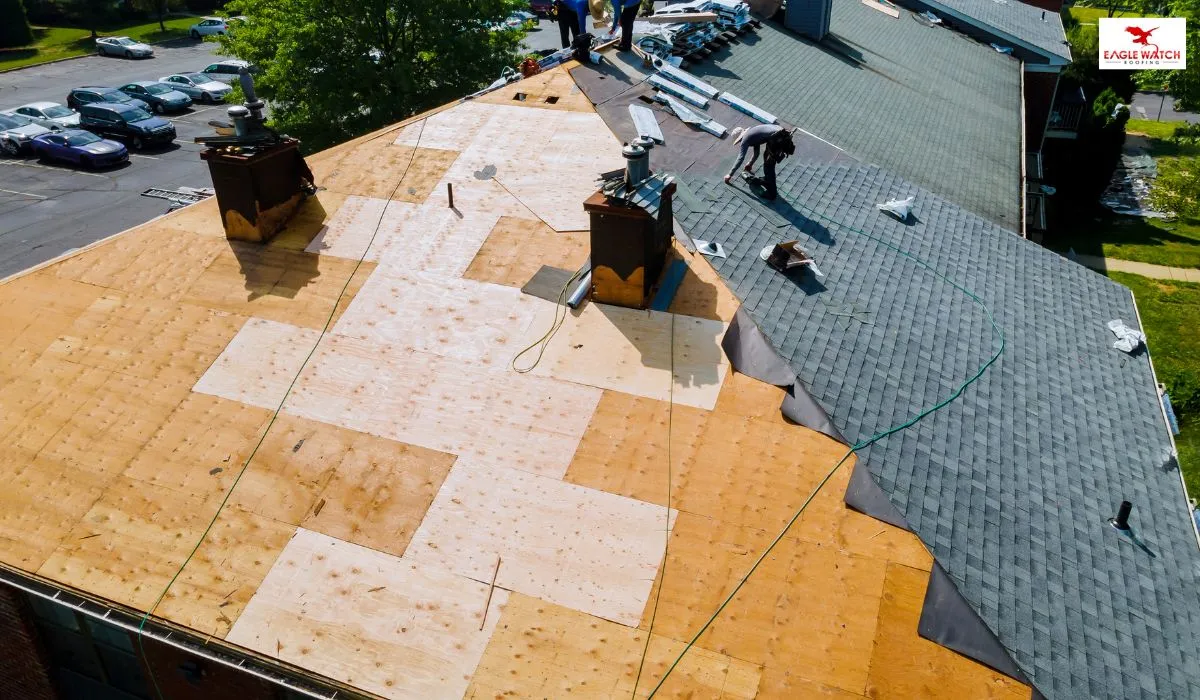
Necessary Damage Can Be Addressed Sooner
The most important benefit of winter installation is that homeowners do not have to leave a failing roof unaddressed for several months.
Active leaks can damage roof decking, insulation, ceilings, walls, and personal belongings. Ongoing moisture may also contribute to mold growth.
If an inspection shows that repair is no longer a reliable solution, replacing the roof during an appropriate winter weather window may prevent the damage from spreading.
Scheduling May Be More Flexible
Roofing demand often increases during spring, summer, and after major storms.
Winter may offer more scheduling flexibility because fewer homeowners plan large exterior projects during this period.
Availability varies by company and recent weather events, so faster scheduling is not guaranteed. However, homeowners may have an easier time discussing potential installation dates and backup dates with a contractor.
The Project May Be Ready Before Spring Storms
Installing a deteriorated roof during winter can prepare the home for the heavier rain and storms that may arrive later in the year.
A completed roof also gives the contractor an opportunity to address damaged decking, flashing, ventilation, and other components before they create problems during wetter weather.
Winter Conditions in Newnan Can Be Workable
Many winter days in Newnan are suitable for roofing, particularly when the forecast calls for dry conditions, manageable wind, and temperatures within the roofing product’s installation guidelines.
Professional roofers can monitor the forecast and select an appropriate work window rather than treating the entire season as unsuitable.
Seasonal Pricing May Be Available
Some roofing companies or suppliers may offer seasonal promotions when demand is lower.
However, homeowners should not assume winter installation will automatically cost less. Roof size, pitch, accessibility, material choice, decking repairs, flashing, ventilation, labor, and disposal usually have a greater effect on the final price.
Compare complete written estimates instead of selecting a contractor based only on a discount.
The scope of work, materials, warranty terms, and installation practices matter more than a low advertised price.
Drawbacks of Replacing a Roof in Winter
Cold Temperatures Can Affect Asphalt Shingles
Asphalt shingles become stiffer and more brittle in cold conditions. Careless handling can cause cracking, especially when bundles are bent, dropped, or installed on complex roof areas.
Pneumatic nailers may also need adjustment, so nails are driven correctly rather than sitting too high or cutting through the shingle.
The adhesive seal strips on shingles generally activate with sufficient warmth and sunlight.
During cold or cloudy conditions, sealing may take longer, and manual sealing may be required when specified by the manufacturer. These details make product-specific installation instructions especially important.
Rain, Frost, and Ice Can Cause Delays
Roofing materials should not be installed over wet, frosted, or icy surfaces. Moisture can affect adhesion and may become trapped within the roofing system. Slippery surfaces also create serious safety risks for the crew.
Newnan winters can include rain and sudden temperature changes even when snow is uncommon. A project may therefore be rescheduled or temporarily paused until the roof is dry and conditions are safe.
Shorter Days May Extend the Schedule
Winter provides fewer daylight hours than summer. Crews may have a shorter safe working period, particularly on larger, steeper, or more complex roofs. A project that might otherwise be completed in one long day could require an additional day.
Some Materials Have Installation Restrictions
Shingles, underlayments, adhesives, sealants, and coatings can have minimum application temperatures or special cold-weather requirements.
Ignoring those instructions can affect performance and may create warranty concerns.
A contractor should confirm that the selected roofing system is appropriate for the expected conditions and explain any cold-weather procedures included in the installation plan.
Weather Changes Can Leave the Roof Temporarily Exposed
Removing too much of the existing roof before a weather change can expose the home to moisture.
A qualified crew should work in manageable sections, monitor the forecast, and keep protective coverings available.
Homeowners should ask how the contractor will protect the property if unexpected rain interrupts the project.
When Does Winter Roof Replacement Make Sense?
Winter installation may be a practical choice when:
- The roof has active or recurring leaks.
- Shingles are missing, cracked, curling, or extensively deteriorated.
- Storm damage has left part of the roofing system vulnerable.
- Roof decking or interior areas are showing signs of moisture damage.
- The contractor identifies a safe, dry installation window.
- The chosen materials permit installation at the expected temperature.
- Waiting several months could increase the extent or cost of the damage.
Winter replacement may be less suitable when the roof is stable, the project is primarily cosmetic, or the forecast shows an extended period of rain, frost, high winds, or unusually low temperatures. In that situation, waiting for more consistent conditions may make the work easier to schedule.
How Winter Weather Affects Different Roofing Materials
Asphalt Shingles
Asphalt shingles can be installed in winter, but they require careful storage, handling, fastening, and sealing. The crew should follow the shingle manufacturer’s cold-weather instructions and avoid bending cold shingles unnecessarily.
Metal Roofing
Metal panels do not depend on warm weather to seal in the same way as asphalt shingles, but winter installation still requires a dry surface, correct underlayment, careful flashing, and safe working conditions. Metal surfaces can become particularly slippery when wet or frosted.
Flat or Low-Slope Roofing
Some membranes, adhesives, and coatings used on low-slope roofs have strict temperature and moisture limits. The appropriate installation method depends on the specific roofing system. A contractor must confirm whether the selected product is suitable for winter application.
How to Prepare for a Winter Roof Installation
Choose a Contractor With Cold-Weather Experience
Ask how the company handles material storage, shingle sealing, nail-gun adjustments, sudden rain, and overnight protection. General assurances are less useful than a clear explanation of the installation process.
If you are searching for new roof installation near me in Newnan, evaluate contractors based on their local experience, insurance, written scope of work, material knowledge, and warranty information—not simply who can begin first.
Review the Forecast and Backup Plan
A responsible contractor will monitor temperature, rain, wind, and roof-surface conditions. Ask what circumstances would delay the project and how you will be informed if the schedule changes.
Confirm Material Requirements
The estimate should identify the shingles or other roofing materials being installed. Ask whether the manufacturer provides cold-weather instructions and how the crew will comply with them.
Discuss Property Protection
Confirm how the crew will protect landscaping, siding, gutters, driveways, and entrances. Also ask how exposed roof sections and stored materials will be covered if work stops unexpectedly.
Allow Some Scheduling Flexibility
Even a well-planned winter project may move by a day or two because of rain, frost, or unsafe wind. Keeping the schedule flexible allows the contractor to prioritize a safe and proper installation.
How Long Does Winter Roof Installation Take?
Many straightforward residential roof replacements can be completed in one to several days. The exact timeline depends on roof size, pitch, design, material, decking condition, crew size, daylight, and weather.
Winter does not automatically turn a short project into a weeks-long installation. However, unsuitable weather can delay the start date or pause work. Your contractor should provide an estimated working timeline and explain that weather-related schedule changes are possible.
Challenges During the Cold Weather
Cold weather can create several challenges during a new roof installation. However, many of these issues can be managed through careful scheduling, proper material handling, and suitable installation methods.
As temperatures fall, asphalt shingles may become stiff and less flexible. This makes them more likely to crack when they are bent, cut, or fastened. Their factory-applied sealant strips may also take longer to activate when sunlight and warmth are limited. Depending on the product and conditions, the manufacturer may require additional sealing methods to keep the shingles secure.
Low temperatures can also affect underlayments, adhesives, and sealants. These products may not bond properly when installed below their recommended application temperature. Contractors must therefore review the manufacturer’s instructions and confirm that every roofing component is suitable for the expected conditions.
Ice, frost, rain, and occasional snow can make the roof surface slippery and unsafe. Wet or frozen roof decking may also prevent materials from being installed correctly. Work should be postponed until the surface is dry and the crew can access the roof safely.
Winter weather may also affect equipment access and material deliveries. Frozen, wet, or soft ground can make it harder to position trailers, dumpsters, ladders, and other equipment around the property. Shorter daylight hours further reduce the amount of time crews can work safely each day.
Sudden changes in the forecast can delay the project or require the contractor to complete the roof in smaller sections. For this reason, professional roofers should monitor the weather, protect exposed areas, store materials properly, and create a backup plan for unexpected rain or freezing conditions.
These challenges do not necessarily prevent winter roof installation. They simply require more careful planning, flexible scheduling, and installation methods that follow the roofing manufacturer’s requirements.
Potential Delays and Complications
Winter Roofing Installation May Be Severely Delayed
Extreme weather for winter installations is very unforecastable.
Work may be interrupted by snow, rain, or icy conditions at any time.
The resulting delays could be much more extensive than originally expected.
There are reduced working hours per day due to limited daylight during winter.
This will also cause end dates to be pushed further than intended.
Homeowners should, therefore, prepare for possible extensions on their project timelines.
There is also the potential for complications in relation to cold temperatures and material and tool sensitivities.
Adhesives are not set so well, potentially causing problems later on down the line.
With proper planning, these winter installation hazards can be avoided.
Material Problems in Winter
Winter does pose specific roofing material challenges, considering how the low temperatures affect how anything binds or performs.
Asphalt shingles become brittle, making them thus more brittle and likely to crack when in service for installation.
In addition, certain roofing adhesives and sealants work better in warmer temperatures.
When using them during freezing weather conditions, they might not stick well, thereby making them prone to future possible leaks.
This would put your new roof in jeopardy even before it has actually been fully installed in reality.
Certain materials, like metal roofs, also present specific challenges for winter installations.
Probably the greatest drawback of the use of cold surfaces is the risk of condensation- that is to say, there’s an increased possibility of hidden moisture problems under the roof surface over time.
Any winter project requires judicious choice and timing for success.
When Is Winter Roof Installation Recommended?
In case your roof has suffered great damage or there are several leaks, waiting until spring may not be an option.
Addressing these issues immediately can help prevent more extensive problems later on.
Winter installations can protect your home from the elements and avoid further deterioration.
Another reason to consider a winter installation is if you’re looking to take advantage of seasonal discounts.
Many roofing contractors offer promotions during the colder months due to lower demand.
This could lead to substantial savings while ensuring your home remains protected.
If you’ve already planned for a roof installation, don’t let the cold weather be an excuse to refrain.
Many roofs can be installed during winter conditions, properly prepared, and done using the right insulation techniques, thus no compromise in quality or safety.
Tips for a Successful Winter Roof Installation
A winter roof installation requires proper preparation.
First, ensure that your roofing contractor is experienced with winter projects.
They should know how to handle cold weather conditions and use the right materials for the season.
Schedule to install during a less harsh weather window, if possible.
Look ahead at a forecast; clear days with little wind are ideal for roofing work.
This might help avoid the wreck of a snow day or an ice storm more than once.
Keep your home properly insulated and ventilated before commencing the project.
This way, it’s efficient in terms of energy and avoids possible moisture issues in the cold season.
This will set up a smoother ride through and well-blend the whole experience into having a new roof this winter.
Conclusion
Winter can be the best season for a new roof installation, as it boasts some benefits, such as cost and contractor availability.
However, it might pose some challenges; therefore, it is very important to weigh both sides.
Homeowners should evaluate their situation by referring to climate conditions in the local area and the urgency of their roofing needs.
Communication with knowledgeable contractors can ensure valuable insights that suit your home specifically.
The decision to make should, therefore, be an informed one.
Whether winter would work perfectly or not depends on various factors specific to your roofing materials, weather patterns, and your timing of roof repairs.
FAQs
What Temperature Is Too Cold to Install a Roof?
There is no universal minimum temperature for roof installation. Each shingle, underlayment, adhesive, and sealant has specific application requirements. Professional roofers should follow the manufacturer’s cold-weather instructions and postpone installation when conditions could affect safety or material performance.
Will New Shingles Seal in Cold Weather?
Yes, but asphalt shingles may take longer to seal when temperatures are low or sunlight is limited. Some manufacturers recommend manually sealing shingles during cold-weather installation. The roofing contractor should follow the product guidelines to keep the shingles secure until the sealant activates.
Is It Cheaper to Replace a Roof in Winter?
Winter roof replacement may cost less if a contractor offers seasonal promotions, but savings are not guaranteed. Roof size, materials, design, accessibility, and required decking repairs have a greater effect on the price. Compare the complete scope, materials, and warranties—not just the lowest estimate.
Can a Leaking Roof Wait Until Spring?
A leaking roof should be inspected promptly because continued moisture can damage the decking, insulation, ceilings, and walls. Minor damage may require only a repair, while widespread deterioration could make winter roof replacement necessary. Delaying the inspection may lead to more extensive damage.
Can Only Part of a Roof Be Replaced in Winter?
Yes, partial roof replacement may be possible when the damage is confined to one area. However, the new materials must integrate properly with the existing roofing system. A professional inspection can determine whether partial replacement will provide reliable protection or whether full replacement is more practical.