


Understanding Roof Insurance Claims for a New Roof Installation
Roof insurance claims can be stressful for homeowners, especially after storms, hail, wind, or unexpected leaks.
In many cases, homeowners are unsure whether their roof damage qualifies for insurance coverage or if a new roof installation may be necessary.
Understanding how roof insurance claims work can help homeowners make informed decisions after damage occurs.
Knowing what steps to take, what documentation may be needed, and how the claim process works can make it easier to move forward with repairs or roof replacement.
When Roof Damage May Qualify for an Insurance Claim
Not all roof damage is covered by homeowners insurance.
Insurance companies generally provide coverage for sudden or unexpected events rather than damage caused by age or lack of maintenance.
Roof damage may qualify for a claim if it was caused by:
- Hail
- Wind
- Fallen tree limbs
- Severe storms
- Fire
- Lightning
- Heavy rain that caused sudden leaks
Damage caused by normal wear and tear, poor maintenance, or aging roofing materials may not qualify for insurance coverage.
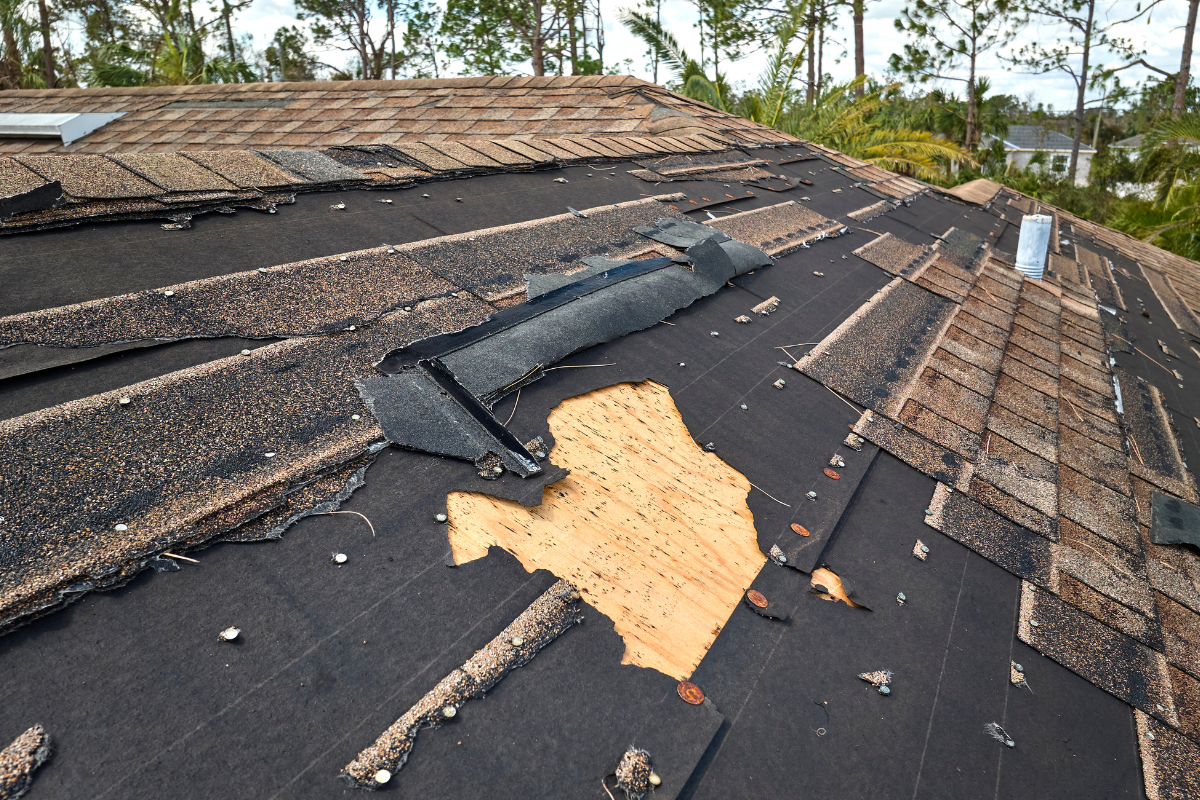
Signs a New Roof Installation May Be Needed
Some roof damage can be repaired, while other situations may require a full roof replacement.
A roofing contractor can inspect the roof and determine whether repairs are enough or if a new roof installation is recommended.
Signs a new roof installation may be needed include:
- Widespread shingle damage
- Multiple roof leaks
- Soft or rotting roof decking
- Severe hail damage
- Missing shingles across large areas
- Sagging roof sections
- Repeated repair history
- Significant storm damage
Older roofs with extensive damage may be more likely to require replacement instead of repair.
The Roof Insurance Claims Process
Homeowners often feel overwhelmed after roof damage, but the claims process usually follows a series of steps.
The roof insurance claims process may include:
- Inspecting the roof for visible damage
- Contacting a roofing contractor
- Filing a claim with the insurance company
- Meeting with the insurance adjuster
- Reviewing the claim decision
- Scheduling repairs or a new roof installation
A roofing contractor can often help document the damage, provide repair estimates, and explain whether the roof may qualify for replacement.
Why Documentation Is Important
Documentation plays an important role during the roof insurance claims process. Photos, inspection reports, and repair estimates can help support the homeowner’s claim.
Useful documentation may include:
- Photos of roof damage
- Pictures of missing shingles
- Interior water stains
- Attic moisture damage
- Fallen branches or storm debris
- Contractor inspection reports
- Repair estimates
The more information homeowners can provide, the easier it may be for the insurance company to review the claim.
What Happens if Additional Damage Is Found?
In some cases, contractors may discover hidden roof damage after the claim has already been approved.
This may include damaged roof decking, insulation problems, mold, water intrusion, or structural concerns that were not visible during the first inspection.
When additional damage is found, a supplemental claim may be needed. Supplemental claims can help homeowners recover additional costs for repairs that were not included in the original estimate.
This is important because some roofing problems are only uncovered after shingles, flashing, or damaged materials are removed.
This is common when:
- Roof decking is soft or rotted
- Flashing is damaged
- Water damage extends into the attic
- Mold or moisture is found
- More shingles are damaged than expected
Additional damage may also be discovered around chimneys, vents, skylights, soffits, fascia boards, or gutters.
In some cases, moisture may have spread farther into the attic insulation or interior ceilings than originally expected.
A professional roofing contractor can document the newly discovered damage with photos, inspection notes, and updated repair estimates.
This information can then be submitted to the insurance company as part of the supplemental claim process.
Learn More About Roof Insurance Claims and New Roof Installation
Roof insurance claims and new roof installation decisions can be difficult for homeowners, especially after severe weather or unexpected leaks.
Understanding the claims process can help homeowners feel more prepared and avoid delays.
Eagle Watch Roofing helps homeowners inspect roof damage, understand insurance claims, and determine whether roof repair or new roof installation may be needed.
Professional inspections and clear documentation can help make the process easier from start to finish.
Frequently Asked Questions
What roof damage is usually covered by insurance?
Roof damage caused by hail, wind, severe storms, fallen branches, fire, and other sudden events is often covered by homeowners insurance. Coverage depends on the details of the policy. Insurance companies are more likely to cover damage that happened unexpectedly rather than damage caused by normal wear and tear. Homeowners should review their policy carefully to understand what types of roof damage are included.
Will insurance cover an old roof?
Insurance may not cover damage caused by normal aging or wear and tear. However, storm damage to an older roof may still qualify for partial or full coverage. The insurance company may consider the age and condition of the roof when deciding how much to pay. Older roofs may also have higher depreciation, which can reduce the claim amount.
How do I know if I need roof repair or roof replacement?
A roofing contractor can inspect the roof and determine whether repairs are enough or if a new roof installation is needed. Factors may include roof age, extent of damage, and repair history. A roof with repeated leaks, widespread shingle damage, or structural concerns may be a better candidate for replacement. Smaller areas of damage may only require targeted repairs.
Why is a roof inspection important for an insurance claim?
A roof inspection helps identify the extent of damage and provides documentation that may be used during the insurance claims process. Contractors may take photos, note damaged areas, and provide repair estimates that support the claim. Inspections can also help uncover hidden problems such as moisture damage, damaged decking, or mold growth.
What is a supplemental claim?
A supplemental claim is an additional request for coverage when hidden damage is discovered after the original claim has been approved. This may happen if contractors find damaged decking, insulation problems, or water intrusion that was not visible during the first inspection. Supplemental claims can help homeowners recover extra repair costs that were not included in the original estimate.