


What Not to Do Before Roof Installation in Newnan, GA
Planning a roof installation in Newnan, GA, involves more than selecting roofing materials and choosing a project date.
Homeowners should also prepare the property before the roofing crew arrives.
Roofing work brings trucks, ladders, tools, materials, and debris-removal equipment around the home.
Blocked access, unprotected belongings, or unclear project details can make installation day more difficult than necessary.
Homeowners do not need to complete any roofing work themselves. Their role is to prepare the property, protect important belongings, and discuss any special concerns with the contractor before work begins.
Why Preparation Matters Before Roof Installation
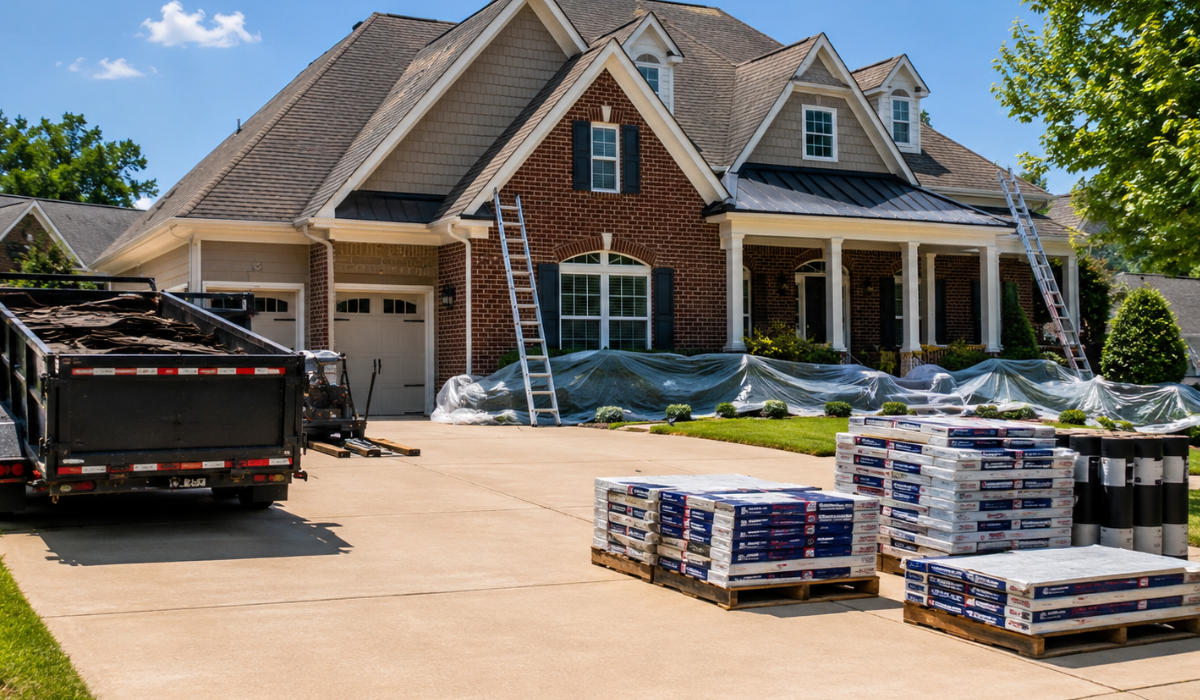
A prepared property gives the roofing crew enough room to deliver materials, position equipment, remove old shingles, and complete the installation safely.
It also reduces the risk of damage to vehicles, outdoor belongings, landscaping, and items stored inside the home.
Preparing in advance allows the crew to focus on the roofing work instead of stopping to move obstacles or resolve avoidable access problems.
The roofing contractor should provide project-specific instructions, but homeowners can take several practical steps before installation day.
Do Not Block the Driveway or Work Areas
Vehicles should be moved away from the driveway and the area surrounding the house before the crew arrives.
Roofing contractors may need space for trucks, trailers, dumpsters, ladders, material deliveries, and debris removal.
A parked vehicle can interfere with setup and may be exposed to dust, nails, falling shingles, or other roofing materials.
Move cars the night before installation, when possible, especially if the crew is expected early in the morning.
Homeowners with limited parking should ask the contractor where vehicles can be placed safely.
Outdoor furniture, grills, toys, potted plants, decorations, hoses, and trash cans should also be moved away from the roofline and walkways.
These items may restrict access or become covered with dust and debris.
Check that gates are unlocked and pathways around the house are clear.
If the property has delicate plants, outdoor lighting, sprinkler systems, or decorative features, point them out before work begins.
Avoid watering the lawn heavily immediately before installation. Soft soil and wet grass can make it harder to position ladders and move equipment around the property.
Do Not Leave Attic and Indoor Items Unprotected
Removing old roofing materials and installing a new system can create vibration, dust, and small particles inside unfinished attic spaces.
Fragile, valuable, or sentimental belongings should be covered or moved temporarily.
Photos, electronics, documents, decorations, and open storage containers may need additional protection.
Homeowners should also check mirrors, framed artwork, wall clocks, shelves, and other loose decorations in rooms near the roofline.
Items that are valuable or already hanging loosely may be safer if removed until the roofing work is complete.
Not every item in the home needs to be moved. A quick inspection of the attic and upper rooms is usually enough to identify belongings that may be affected.
This is also a good opportunity to look for signs of moisture, excessive heat, or poor airflow, as proper attic ventilation plays an important role in protecting the roof and maintaining balanced conditions inside the attic.
Do Not Wait to Make Arrangements for Pets and Children
Roof installation can be loud and disruptive. Hammering, footsteps, unfamiliar workers, equipment noise, and open gates may make pets anxious.
Some animals may be more comfortable staying with a friend, family member, or pet care provider during the project.
Pets remaining at home should be kept in a quiet interior room away from exterior doors and active work areas.
Tell the roofing contractor about pets, particularly if workers need to enter a fenced yard.
Children should remain away from the driveway, yard, ladders, tools, and roofing materials. Outdoor play areas should not be used until the installation and property cleanup are complete.
Making these arrangements in advance helps protect family members and allows the crew to work without unnecessary interruptions.
Do Not Ignore Security System Settings
Some home security systems include motion sensors, vibration detectors, or glass-break sensors that may react to roofing activity.
Hammering and movement around the home could trigger false alarms if sensitive features remain active.
Review the system settings before work begins or contact the security provider for guidance.
Homeowners can keep the property secure while temporarily adjusting features that may respond to construction noise or vibration.
Do Not Start Without Understanding the Contractor’s Process
Homeowners should understand how the roofing project will be managed before materials and equipment arrive.
Confirm the expected arrival time, project schedule, material placement, driveway requirements, property-protection procedures, and main point of contact.
Ask how the contractor will handle unexpected damage discovered after the old roofing materials are removed.
Cleanup expectations should also be discussed in advance. Homeowners should know how the crew will collect old shingles, nails, packaging, and other debris and how the yard, driveway, walkways, and areas near entry doors will be checked afterward.
A dependable roofing contractor should explain these details clearly and answer questions before installation day.
Homeowners should not be left uncertain about access, communication, property protection, or final cleanup.
Eagle Watch Roofing works with homeowners in Newnan, GA, to evaluate the roof, explain the installation process, and identify any property preparations needed before the project begins.
Final Thoughts
Preparing for roof installation does not require complicated work, but it should not be left until the crew arrives.
Following the contractor’s instructions and addressing property concerns in advance can reduce delays, protect belongings, and make installation day easier to manage.
Clear expectations between the homeowner and roofing contractor help the project begin in an organized manner and continue with fewer avoidable disruptions.
Get Ready for Roof Installation With Eagle Watch Roofing
Preparing your property before roofing work begins can help prevent delays, protect your belongings, and make the installation process easier to manage.
However, every home has different access points, landscaping, attic conditions, and safety concerns that may need attention before the crew arrives.
Eagle Watch Roofing helps homeowners understand what needs to be moved, protected, or discussed before roof installation in Newnan, GA.
Our team can evaluate your roof, explain the installation process, review property access, and answer questions about materials, scheduling, cleanup, and unexpected roof damage.
Contact our team to schedule a roof evaluation and receive clear guidance before your installation project begins.
FAQs
What should I avoid doing before roof installation?
Before roof installation, avoid leaving vehicles, furniture, toys, or other objects near the work area. Fragile belongings in the attic should be covered or moved, and pets and children should be kept away from active work zones. It is also important to discuss access, scheduling, and property concerns with the contractor before installation day.
Should I move my car before roof installation?
Yes, vehicles should be moved away from the driveway and the area surrounding the home. Roofing crews may need space for trucks, trailers, dumpsters, ladders, and material deliveries. Moving your car also helps protect it from dust, falling debris, loose nails, and blocked access.
Do I need to prepare my attic?
It is a good idea to check the attic before roofing work begins. Hammering and removal work may cause vibration, dust, and small debris to enter unfinished attic spaces. Fragile, valuable, or sentimental belongings should be covered securely or moved to another part of the home.
Can pets and children stay home during installation?
Pets and children may stay inside, but they should remain away from the yard, driveway, and active work areas. Roofing work can be loud, and unfamiliar activity may make pets anxious or uncomfortable. Children should not return to outdoor areas until the crew has completed the work and cleanup.
Should patio furniture be moved?
Patio furniture, grills, toys, plants, umbrellas, and decorations should be moved away from the house whenever possible. These items may block access for ladders, equipment, and crew members. Moving them also helps prevent dust, debris, or roofing materials from damaging outdoor belongings.
What should I discuss with the roofing contractor?
Before installation day, confirm the crew’s arrival time, driveway access, material placement, and cleanup process. Homeowners should also mention pets, locked gates, landscaping, sprinkler systems, outdoor lighting, or other property concerns. Clear communication helps both the homeowner and contractor understand what to expect.
When can the yard be used again?
The yard should not be used normally until the roofing crew has completed the installation and cleanup. Nails, shingle pieces, packaging, and other small debris may remain around the property during the work. Wait until the contractor confirms that the driveway, walkways, lawn, and nearby areas have been inspected and cleared.
Will roof installation damage my landscaping?
Roofing contractors typically take steps to protect landscaping by covering plants and managing debris. Homeowners can also move potted plants and identify delicate landscaping features before work begins.
Should I stay home during roof installation?
Homeowners may stay home during roof installation, but they should expect significant noise and activity throughout the day. If you have young children, pets, or work-from-home commitments, arranging to be elsewhere may be more comfortable. It is also helpful to keep vehicles and frequently used items away from the work area before the crew arrives.