


What If It Rains During Roof Installation in Newnan, GA?
If you are searching for roof installation near me in Newnan, GA, one of the biggest concerns you may have is what happens if rain starts while your roof is being installed.
It is a valid concern because roof installation is not a small home improvement project.
Once old roofing materials are removed, parts of the roofing system may be temporarily exposed, and that makes preparation extremely important.
Rain does not automatically mean your roof installation is ruined.
What matters most is how your roofing contractor prepares for weather, how quickly exposed areas are protected, and whether the crew waits for proper conditions before continuing the work.
A professional roofer should never treat rain as an afterthought. Weather planning should be part of the roofing process from the beginning.
In Newnan, GA, rain can show up quickly during certain seasons. A clear morning can turn into an afternoon shower, especially during warmer months.
That is why homeowners should choose a roofing contractor that understands local weather patterns and knows how to protect the home during roof installation, roof replacement, or roof repair.
Can Roof Installation Continue If It Starts Raining?
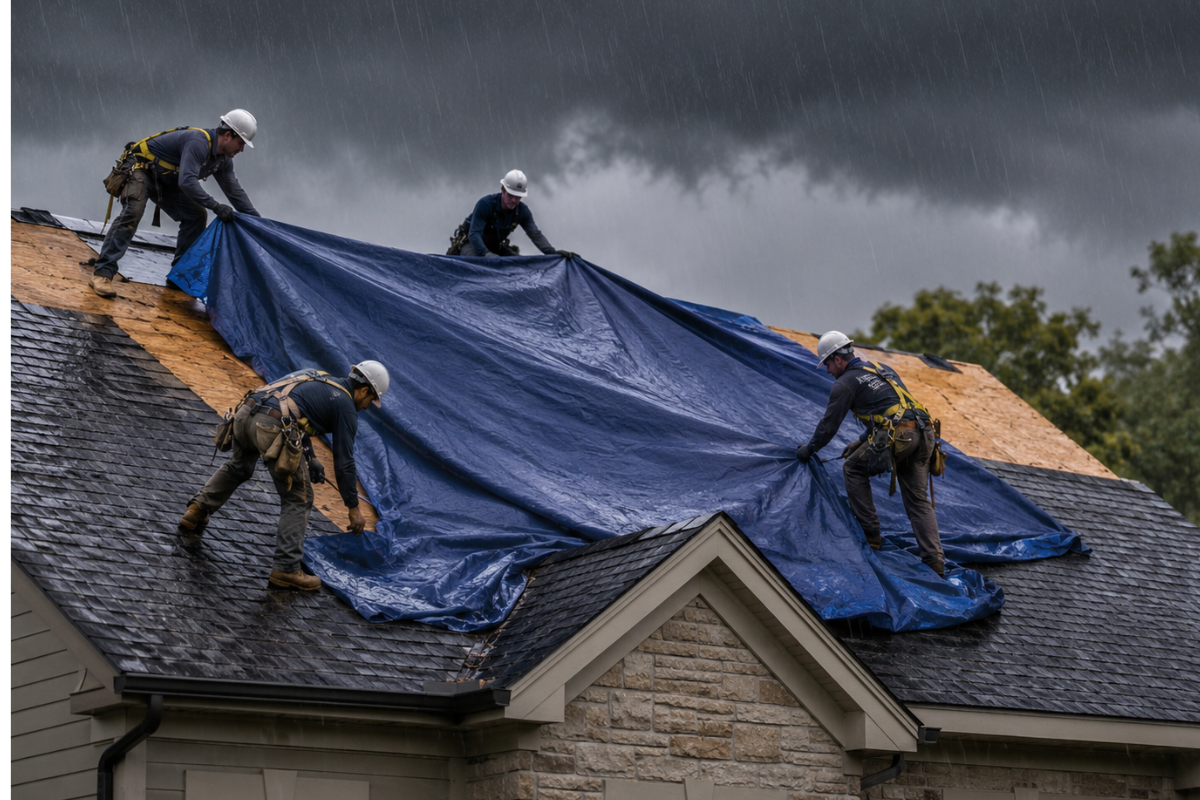
In most cases, roof installation should pause when rain begins. Roofing work depends on dry surfaces, safe footing, and proper material handling.
When a roof surface becomes wet, it can create safety concerns for the crew and quality concerns for the homeowner.
The goal during a rain delay is simple. The roofing crew should protect the exposed areas, secure the materials, and prevent water from entering the home.
Once the rain stops, the contractor should inspect the roof surface and confirm that it is dry enough before installation continues.
A responsible roofer will not rush to install shingles or other roofing materials over wet decking or damp underlayment just to finish faster.
That kind of shortcut can trap moisture inside the roofing system and create problems later.
A short delay is much better than a roof that develops leaks, odor, moisture damage, or performance issues after the project is complete.
This is one of the reasons homeowners searching for roof installation near me in Newnan, GA should look beyond price alone.
The right roofing company has a process for handling weather changes, not just a crew that shows up with materials.
Why Rain Matters During Roof Installation
A roof is a complete system, not just the shingles you see from the street.
During roof installation, several layers and components must work together to protect your home.
The decking provides the base. The underlayment adds a protective barrier. Flashing helps direct water away from vulnerable areas.
Shingles or other roofing materials create the outer layer. Ventilation supports airflow and helps manage heat and moisture inside the attic.
When rain interrupts a roof installation, the concern is moisture getting into places where it does not belong. If rain reaches exposed decking, open valleys, unfinished edges, or attic spaces, the roofing contractor must address those areas before work continues.
Covering wet surfaces too quickly can cause moisture to remain trapped beneath the new roof.
Moisture is one of the biggest enemies of a roofing system. It can affect wood decking, insulation, ceiling materials, and attic conditions.
Sometimes damage appears quickly as a stain or drip inside the home. Other times, moisture problems develop slowly and are not noticed until much later.
A professional roofing contractor in Newnan, GA should understand these risks and take steps to prevent them.
Proper preparation can make the difference between a temporary weather delay and a costly roofing problem.
What Should Happen Before Roof Installation Begins?
Good roof installation starts before the first shingle is removed.
A roofing contractor should review the weather forecast, evaluate the size of the project, consider the crew schedule, and plan how much of the roof can be safely opened at one time.
For homeowners, this matters because a roof should not be exposed carelessly.
A professional crew should know how to stage the work, so the home remains protected throughout the project. If rain is likely, the contractor may adjust the schedule, delay the start, or prepare extra protection before work begins.
The crew should also have proper protective materials available on-site.
If weather changes quickly, they should not be scrambling to find tarps or coverings after rain begins. A prepared roofing company should already have a plan.
This is why local experience matters. A contractor who regularly handles roof installation in Newnan, GA understands that the weather can change during a project. Planning around that possibility is part of protecting the homeowner.
What Happens If Rain Starts While the Roof Is Open?
If rain starts while part of the roof is open, the roofing crew should stop work in exposed areas and protect the home immediately. The first priority is not finishing the installation.
The first priority is preventing water from entering the roofing system or interior of the home.
The crew should cover exposed decking and unfinished sections with waterproof protection. Materials that could be affected by rain should be secured or covered.
Open areas around valleys, edges, vents, and flashing details should be protected carefully because those are common places where water can enter if the roof is incomplete.
After the rain stops, the contractor should inspect the work area. If the decking becomes wet, it should be allowed to dry before being covered.
If underlayment was affected, the roofer should confirm whether it can remain in place or needs attention. If any water entered the attic or interior, the issue should be identified and addressed before the project moves forward.
A careful roofer will treat this step seriously. The roof may look ready from the outside, but proper roof installation depends on what is happening beneath the surface.
Why Roofing Materials Should Not Be Installed Over Wet Surfaces
Installing roofing materials over wet surfaces can create long-term problems.
Shingles, underlayment, flashing, and decking are all designed to work together under proper installation conditions.
When those conditions are ignored, the roof may not perform the way it should.
Wet decking can hold moisture beneath the roofing system. Damp underlayment can interfere with proper installation.
Wet shingles may not seal correctly in the right time frame. Moisture trapped under roofing materials may contribute to wood deterioration, odor, or future leaks.
This does not mean every light shower causes major damage. It means the roofing contractor must use judgment and experience.
If the roof surface is wet, the crew should wait until it is dry enough to continue. That delay may be inconvenient, but it protects the quality of the installation.
Homeowners should be cautious if a contractor acts like rain does not matter. A good roofing company understands that proper installation conditions are part of delivering a roof that lasts.
Can a Short Rain Shower Damage a Roof Installation?
A short rain shower may not damage a roof installation if the crew responds quickly and the roof is properly protected.
The outcome depends on how much of the roof was exposed, how long the rain lasted, whether water reached the decking, and how carefully the contractor inspected the area afterward.
If underlayment was already installed correctly before the rain began, the home may remain protected while the project is paused.
If old materials were removed and the decking was open, the contractor needs to take more care before continuing.
The important point is that rain should never be ignored. Even if the shower was brief, the roofer should check the condition of the roof before moving forward.
This gives homeowners confidence that the new roof is being installed over a sound, dry surface.
When hiring a company for roof installation near me in Newnan, GA, ask how they handle this situation. The answer should be clear, practical, and focused on protecting the home.
How Rain Can Affect the Roof Installation Timeline
Rain can delay roof installation, and homeowners should be prepared for that possibility.
A roofing project may be planned for one day or several days, depending on the size of the roof, the materials being used, the condition of the decking, and the weather.
If rain interrupts the work, the contractor may need to pause the project until the roof is dry. In humid conditions, drying can take longer.
If materials were exposed or if water reached unfinished areas, the crew may need extra time to inspect and correct the issue before continuing.
While delays can be frustrating, they are sometimes necessary. A roofing company that delays the project for the right reason is protecting the homeowner.
A rushed installation may look convenient at the moment, but it can create problems later.
Good communication is important during this stage. The contractor should explain what caused the delay, how the roof is being protected, when work is expected to continue, and what must happen before the crew resumes installation.
What Homeowners Should Ask Before Scheduling Roof Installation
Before scheduling roof installation, homeowners should ask how the company handles rain and weather delays.
This is not a small detail. It shows whether the contractor has a real process or is simply hoping the weather cooperates.
A homeowner should ask whether the crew checks the forecast before starting, how exposed roof areas are covered, how materials are protected, and whether the roof deck is inspected after rain.
It is also helpful to ask what happens if rain enters the attic or if materials become wet during the project.
The answers should be easy to understand. A professional contractor should not make the homeowner feel like they are asking too many questions.
Roofing is a major investment, and homeowners deserve to know how their property will be protected.
When a company can explain its rain plan clearly, it shows experience. It also gives the homeowner more confidence that the project will be handled carefully from start to finish.
Why Local Roofing Experience Matters in Newnan, GA
Roofing in Newnan requires attention to local weather conditions.
Georgia heat, humidity, wind, and rain can all affect roofing schedules and installation planning.
A contractor who understands the area can make better decisions about timing, surface conditions, and project protection.
Local experience also matters because roofing problems are often connected to regional weather patterns.
Heavy rain can expose weak flashing. Wind can lift shingles. Humidity can affect drying time. Storm activity can create hidden roof damage that may not be visible from the ground.
Choosing a local roofing contractor gives homeowners the benefit of working with a team familiar with these conditions.
It also makes communication easier if follow-up questions arise after the project is complete.
If you are searching for roof installation near me in Newnan, GA, choose a roofing company like us that understands both roof installation and the local environment where that roof needs to perform.
What If Water Gets Into the Attic During Installation?
If water enters the attic during roof installation, the issue should be addressed right away.
The contractor should identify where the water entered, protect the open roof area, and inspect the affected space.
Water in the attic can affect insulation, wood, ceiling materials, and indoor comfort.
Even a small amount of water should not be ignored. Moisture can create stains, odors, or hidden damage if it is covered up without proper attention.
A responsible roofing contractor should communicate clearly with the homeowner if water intrusion occurs.
The contractor should explain what happened, what was affected, and what steps are needed before the roof installation continues.
Homeowners should also document any visible signs inside the home, such as ceiling stains, dripping, damp insulation, or moisture marks.
This helps keep the project transparent and ensures that the issue is not overlooked.
Should Roof Installation Be Rescheduled If Rain Is Forecasted?
If the forecast shows a strong chance of rain, rescheduling may be the safest choice.
Starting roof installation when heavy rain is expected can create unnecessary risk, especially if large sections of the roof need to be opened.
That does not mean every cloudy day requires cancellation. A professional roofer will consider the timing of the rain, the size of the project, the roof condition, the crew size, and whether the work can be completed or protected before weather arrives.
The decision should be based on safety, quality, and home protection. A trustworthy contractor will explain the reason for moving forward or delaying the project.
Homeowners should never feel pressured to proceed when the weather creates a clear risk.
A short delay is usually better than moisture problems inside a new roofing system.
What Makes a Good Roofing Company Different During Rain?
Unexpected rain can reveal the difference between a careful roofing company and a careless one.
When the weather is perfect, many projects look easy. When the weather changes, preparation and professionalism become much more visible.
A good roofing company does not panic, rush, or ignore the conditions.
It protects exposed areas, communicates with the homeowner, checks the roof before continuing, and prioritizes proper installation over speed.
Homeowners should look for a company that treats weather planning as part of the roofing process.
That includes checking the forecast, preparing protective coverings, securing materials, and making sure the roof is dry before continuing installation.
The right contractor understands that the roof is not just a project. It is protection for the entire home.
Conclusion
Rain during roof installation can be stressful, but it does not have to ruin the project.
The final outcome depends on preparation, communication, and the contractor’s commitment to doing the work correctly.
A professional roofing company should plan around weather, protect exposed areas, pause work when needed, and resume only when the roof is ready.
That approach helps prevent trapped moisture, roof leaks, material problems, and future repair issues.
If you are planning roof installation in Newnan, GA, take time to choose a contractor that understands how to manage weather during the project. The right team will protect your home before, during, and after installation.
Start Your Roofing Project With Eagle Watch Roofing
A strong roofing system begins with the right contractor, clear guidance, and careful planning.
Eagle Watch Roofing works with homeowners in Newnan, GA, to deliver dependable roofing services built around protection, durability, and long-term value.
Whether your home needs a new roof, replacement, repairs, or a detailed inspection, our team takes time to evaluate the condition of your roof and recommend the right next step.
We focus on proper workmanship, reliable materials, and honest communication from the first inspection to final cleanup.
When you need a trusted roofing company in Newnan, GA, our specialists are ready to help you move forward with confidence. You can reach out to us anytime and start your roofing project with confidence.
FAQs
Can roof installation continue if it starts raining?
Roof installation should usually pause during active rain because wet surfaces can create safety risks and installation concerns. A professional roofer should cover exposed areas, protect materials, and wait until the roof surface is dry enough to continue. This helps protect the home and reduces the chance of trapped moisture beneath the roofing system.
What should a roofer do if rain starts during installation?
If rain starts during installation, the roofer should stop work in exposed areas and protect the roof immediately. Exposed decking, unfinished sections, and materials should be covered to prevent water intrusion. After the rain stops, the contractor should inspect the roof and confirm it is ready before continuing.
Will rain damage my roof during installation?
Rain may not damage your roof if the crew protects the home quickly and properly. The risk increases when exposed decking or unfinished areas remain open too long. A professional roofing contractor should inspect the roof after rain and make sure the surface is dry before continuing installation.
Can shingles be installed on a wet roof?
Shingles should not be installed over a wet roof surface. Wet decking or damp underlayment can trap moisture beneath the roofing system and may lead to future problems. It is better to wait until the surface is dry so the roofing materials can be installed correctly.
How long does a roof need to dry after rain?
The drying time depends on the amount of rain, humidity, sunlight, temperature, and roof slope. Some roofs may dry within a few hours, while humid conditions may require more time. A roofer should inspect the surface before deciding whether installation can safely continue.
Should I reschedule roof installation if rain is in the forecast?
If heavy rain is likely, rescheduling may be the best choice. A professional roofer should review the forecast and explain whether the project can begin safely. Delaying the work is often better than starting a project that could expose the home to unnecessary moisture risk.
What happens if water gets into my attic during installation?
If water enters the attic, the contractor should identify the source, stop further water intrusion, and inspect the affected area. Damp insulation, ceiling stains, or moisture should be addressed before work continues. The goal is to correct the issue and make sure the roof is protected before installation resumes.
How do roofers protect a home from rain during installation?
Roofers protect a home by monitoring weather, covering exposed roof areas, securing materials, and pausing work when conditions become unsafe or unsuitable. A professional crew should also check the roof after rain and avoid installing materials over wet surfaces. This process helps preserve the quality of the roof installation.
Why choose Eagle Watch Roofing for roof installation in Newnan, GA?
Eagle Watch Roofing understands how to plan roofing projects around local weather conditions in Newnan, GA. Our team focuses on careful preparation, clear communication, and professional installation methods. We help homeowners protect their property throughout the roof installation process.
Is it okay to put a roof on in the rain?
No, roof installation should usually pause during active rain. Wet roof surfaces can create safety risks and may affect how roofing materials are installed. A professional roofer should protect exposed areas, wait for proper drying conditions, and continue only when the roof is ready.
Can I get on my roof while it’s raining?
No, homeowners should not get on a roof while it is raining. Wet shingles, slick surfaces, and poor visibility can make the roof unsafe. If you suspect a leak or storm-related issue, it is better to stay inside and contact a professional roofing contractor for an inspection.
Does the roof need to be dry before installing shingles?
Yes, the roof surface should be dry before shingles are installed. Installing shingles over wet decking or damp underlayment can trap moisture beneath the roofing system. This may lead to future leaks, material problems, or hidden damage.
How long does it take for a new roof to dry?
Drying time depends on the amount of rain, humidity, sunlight, temperature, and roof slope. In some cases, the roof may dry within a few hours, but humid weather can take longer. A professional roofer should inspect the surface before continuing installation.