


Temperature Challenges for Experienced Roofing Installer in Newnan
When choosing an experienced roofing installer in Newnan, one of the first questions homeowners may have is how temperature affects shingles.
They may also wonder how safely roofing crews can move across the roof and how roofing materials are handled.
Another common concern is how well the completed roofing system will perform after installation.
In Newnan, GA, homeowners often deal with warm afternoons, humid conditions, sudden rain, and cooler seasonal changes.
These weather shifts can make roof installation, roof replacement, and roof repair timing more important than many people realize.
If your roof is aging, leaking, or showing storm damage, hiring an experienced roofing installer in Newnan can help you understand whether the weather is suitable now or whether the project should be scheduled for a better window.
Quick Answer: The Roofing Temperature Range That Works Best
Asphalt shingles are generally easier to install in moderate temperatures. However, suitable installation conditions may vary by manufacturer, product type, and installation method.
Moderate temperatures help shingles remain flexible and easier to position without becoming brittle or overly soft.
Before starting the project, a professional roofing installer should evaluate the roof surface, material requirements, and current conditions to determine whether installation can proceed properly.
How Weather Changes the Way a Roof Is Installed
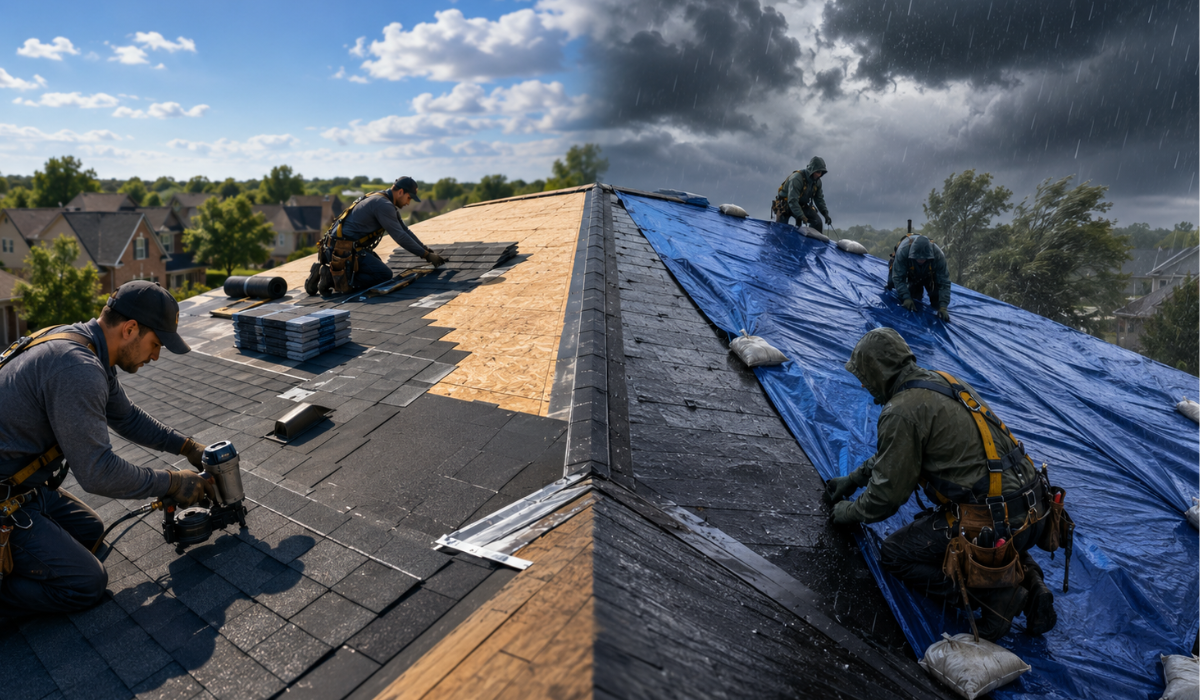
Roofing materials do not respond the same way in every season.
Asphalt shingles, underlayment, flashing, sealants, vents, and fasteners all need proper handling during installation.
On a steady weather day, materials are easier to position and roof details can be completed with fewer interruptions.
On a difficult weather day, crews may need to adjust the project schedule, protect exposed areas, or delay certain parts of the work.
This is why roofing is never just a calendar decision. A suitable roofing day is one where the weather supports safe work, dry materials, and careful installation.
Why Roof Surface Temperature Matters
The temperature shown in a weather forecast does not always reflect the conditions on the roof.
Direct sunlight can make the roof surface much hotter than the surrounding air, while shaded areas may remain cooler.
The time of day, roof color, slope, and sun exposure can also create different conditions across the same roof.
An experienced roofing installer should consider the actual roof surface temperature before starting work.
This helps determine the best time of day to handle materials and complete detailed installation work.
What Happens When a Roof Gets Too Hot During Installation
A hot day can feel even hotter on the roof because shingles absorb sunlight.
The roof surface may become much warmer than the temperature shown in the forecast, especially during the middle of the afternoon.
Excessive heat can make asphalt shingles more sensitive to foot traffic.
It can also affect how bundles are stored, how materials are carried, and how long crews can safely stay on exposed roof sections.
Summer roofing can still be completed when planned correctly. Experienced roof installers may adjust start times, monitor material handling, and avoid rushing work during the hottest part of the day.
Why Cold Mornings Can Slow Down Roofing Work
Cool mornings can create a slower start for roofing projects because shingles may need time to become more workable.
Even if the afternoon temperature improves, the roof surface and stored materials may still begin the day cold.
Stiffer shingles require more careful handling. Detailed areas such as valleys, ridge lines, pipe boots, and flashing transitions may take extra attention when temperatures are low.
A cold day does not automatically stop roofing work, but it does require good judgment.
The installer should know when the materials are ready to handle and when the conditions create unnecessary risk.
Rain Delays Are About Protecting the Roof Deck
Rain is one of the biggest reasons a roofing project may need to pause.
Once old materials are removed, the roof deck must stay dry so the new roofing system can be installed on a sound surface.
Even a small shower can create problems if exposed decking, underlayment, or roof openings are not properly protected.
Moisture can affect how materials are secured and may make it harder for roofers to confirm that the surface is stable enough for the next layer.
This is why reliable roofers watch the weather closely before and during a project.
For homeowners, a rain delay may feel inconvenient, but it is often the responsible decision when protecting the structure underneath.
Wind Can Turn a Good Roofing Day Into a Risky One
A day may have the right temperature and still be unsuitable if wind conditions are poor.
Strong wind can make shingles, underlayment, flashing pieces, and other materials harder to control.
Wind also affects crew safety, especially on steep roofs or open rooflines with limited protection.
A gusty day can slow progress and make detailed installation work more difficult.
Professional roofers do not judge a roofing day by temperature alone. They also consider whether wind conditions allow the crew to work safely and place materials accurately.
The Best Season Depends on Your Roof’s Condition
Spring and fall are often comfortable seasons for roofing in Newnan, but the season should not be the only factor considered.
A roof with normal aging may be scheduled during a suitable weather window.
However, missing shingles, active leaks, ceiling stains, storm damage, exposed decking, or sagging areas should be inspected promptly.
An inspection can determine whether a repair is enough or whether roof replacement should be planned before the damage becomes more serious.
Addressing problems early gives homeowners more control over timing and helps prevent water from spreading into the home.
When Roof Damage Should Be Checked Right Away
Some roofing problems should not be delayed while waiting for ideal weather.
Missing shingles, ceiling stains, storm damage, exposed decking, sagging areas, and active leaks should be inspected promptly.
An inspection does not always mean the entire roof needs to be replaced. In some cases, a repair may be enough.
In others, the findings may show that replacement should be planned before further damage occurs.
The right time to replace a roof depends on its condition, the severity of the damage, and whether it can continue protecting the home.
An early inspection gives homeowners clear answers and allows vulnerable areas to be addressed before water damage spreads.
Why Local Newnan Experience Helps With Roofing Timing
Newnan weather can shift quickly, especially during humid months and storm-heavy periods.
A local roofing installer understands how these patterns can affect scheduling, material handling, and roof protection.
Local experience also helps with practical recommendations. Instead of giving a one-size-fits-all answer, the installer can look at the roof pitch, sun exposure, attic ventilation, drainage, and visible damage.
This type of judgment is important because the best roofing decision depends on both the weather and the home itself.
A good installer knows how to balance timing, safety, and long-term roof performance.
Talk With Eagle Watch Roofing Before Planning Your Project
Eagle Watch Roofing helps homeowners in Newnan, GA make informed decisions about roof installation, roof replacement, roof repair, and roof inspections.
Our team reviews the condition of your roof and explains how weather may affect the next step.
If you are unsure whether the temperature is right for roofing, or if your roof damage should not wait, we can inspect the issue and provide clear recommendations.
Get roofing service in Newnan, GA from a team that helps you plan your project with confidence.
FAQs
What is the best temperature for roofing?
Most asphalt shingle roofing work is best performed in mild weather, often around 40 to 85 degrees Fahrenheit. This range usually allows shingles to remain workable without becoming too stiff or too soft. The final decision should also consider rain, wind, roof surface temperature, and material requirements.
Can roofing be done on a very hot day?
Roofing can be done in warm weather, but extreme heat requires careful planning. Roof surfaces can become much hotter than the air temperature under direct sunlight. Crews may need to adjust work timing and material handling to protect the roof system.
Is cold weather a problem for shingles?
Cold weather can make asphalt shingles less flexible during installation. This can make cutting, placement, and detailed roof work more difficult. A roofing installer should decide whether the conditions are suitable based on the material and forecast.
Should I wait for perfect weather to replace my roof?
Waiting for perfect weather is not always necessary or practical. A dry, stable, and moderate weather window is usually more important than waiting for one ideal season. If the roof is leaking or damaged, an inspection should happen before the problem gets worse.
Why does rain delay roof installation?
Rain can delay roofing because exposed roof decking and materials need to stay dry. Installing over wet surfaces can create problems that should be avoided. A responsible roofer will protect the home and adjust the schedule when storms are expected.
How does wind affect roof work?
Wind can make roofing materials harder to control and increase safety concerns. It can also interfere with underlayment placement, shingle alignment, and detailed installation work. Strong wind may require the project to pause until conditions are safer.
What season is best for roofing in Newnan?
Spring and fall often provide comfortable roofing weather in Newnan. However, roof work can be completed in other seasons when conditions are suitable. The best time depends on your roof’s condition, the forecast, and the type of work needed.
When should I call a roofing installer?
Call a roofing installer when you notice leaks, missing shingles, storm damage, ceiling stains, or visible roof aging. An inspection can help determine whether the issue needs repair or replacement. Calling early gives you more control over timing and prevents avoidable damage.