


New Roof and Gutter Installation Framework: When to Include New Gutters
A new roof installation is a major investment, and many homeowners wonder whether they should replace their gutters at the same time.
Since roofs and gutters work together to protect the home from rainwater and moisture damage, it is often helpful to evaluate both systems during a roof replacement project.
Old or damaged gutters can reduce the effectiveness of a new roof by allowing water to overflow, pool near the foundation, or damage roof edges.
Replacing gutters during a roof installation can help improve drainage, protect the home, and reduce future repair needs.
This framework explains when new gutter installation may be worth considering during a new roof project.
New Roof and Gutter Installation Planning Steps
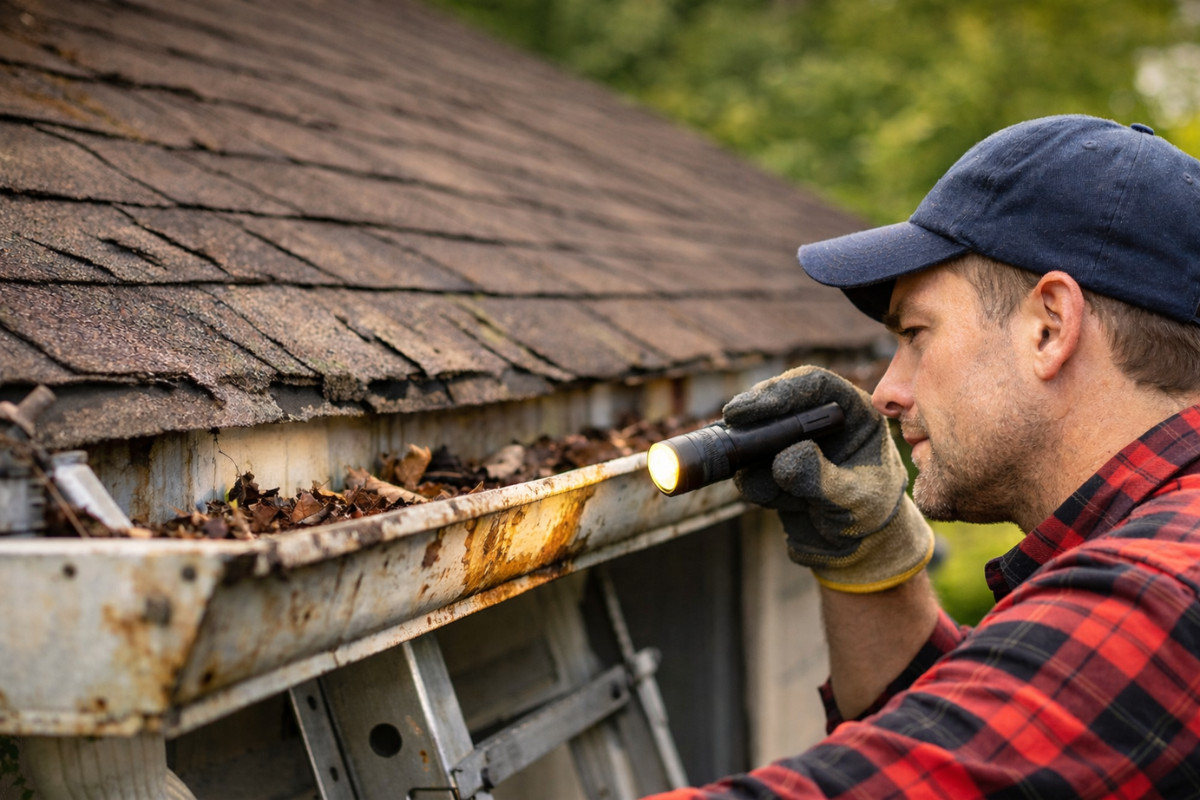
Evaluate the Condition of the Existing Gutters
Before a new roof is installed, homeowners should inspect the condition of the existing gutter system.
Even if the roof is being replaced, the gutters may still be usable if they are in good condition.
Signs that gutters may need replacement include:
- Rust or corrosion
- Cracks or holes
- Sagging sections
- Water overflow during rain
- Gutters pulling away from the home
- Loose downspouts
- Peeling paint near roof edges
- Water pooling near the foundation
If these problems are present, new gutter installation may be recommended.
Consider the Age of the Gutter System
Gutters do not last forever. Even if they are still functioning, older gutters may be more likely to develop leaks, sagging, or drainage problems.
In general:
- Aluminum gutters may last around 20 years
- Steel gutters may last longer with proper maintenance
- Copper gutters can last several decades
- Vinyl gutters may have a shorter lifespan
If the gutters are near the end of their expected lifespan, replacing them during a new roof installation may help avoid future labor costs.
Identify Water Drainage Problems
Proper drainage is one of the most important reasons to replace gutters during a roof project.
Gutters should direct water safely away from the roof, siding, foundation, and landscaping.
Signs of drainage problems may include:
- Overflowing gutters
- Basement moisture
- Foundation cracks
- Erosion near the home
- Standing water
- Damp crawl spaces
- Water stains on siding
A new roof installation may not fully protect the home if the gutter system is still allowing water to collect around the property.
Evaluate Roofline and Gutter Compatibility
In some cases, a new roof may require gutter adjustments or replacement because of changes to the roofline, roofing materials, or drainage needs.
For example, homeowners may choose:
- Larger gutters for increased roof runoff
- Seamless gutters for fewer leaks
- Additional downspouts
- Gutter guards
- Different gutter colors to match the new roof
Planning these updates during a roof project may help create a more complete and attractive exterior appearance.
Determine Long-Term Cost Savings
Replacing the roof and gutters at the same time may help homeowners save money in the long run.
Contractors already have access to the roofline during installation, which may reduce labor costs and make gutter replacement easier.
Potential long-term benefits include:
- Fewer future repairs
- Lower maintenance costs
- Improved drainage
- Better protection for siding and foundation
- Reduced risk of roof edge damage
- Improved home appearance
Combining these projects may also help homeowners avoid paying for separate installation visits later.
Benefits of Replacing Gutters During a Roof Installation Project
Replacing gutters during a roof installation project can provide several long-term benefits for homeowners.
Since roofing contractors already have access to the roofline, it is often easier and more cost-effective to install new gutters at the same time.
New gutters can improve drainage and help direct rainwater away from the roof, siding, foundation, and landscaping.
This can reduce the risk of leaks, water stains, erosion, basement moisture, and foundation damage.
Installing gutters with a new roof can also improve the overall appearance of the home.
Matching gutter colors and styles with the new roofing materials can create a cleaner and more updated look.
Homeowners may also benefit from lower maintenance needs, fewer future repairs, and better long-term performance when both systems are upgraded together.
Common Gutter Problems That Can Affect a New Roof
Older gutters can create problems for a newly installed roof if they are not draining properly.
Gutters that overflow, sag, leak, or pull away from the roofline may allow water to collect around the fascia boards, soffits, and roof decking.
Common gutter problems include:
- Clogs caused by leaves and debris
- Loose fasteners
- Rust and corrosion
- Cracks and holes
- Improper gutter pitch
- Damaged downspouts
- Water overflow during storms
These issues can increase the risk of water damage around the roofline and foundation.
Identifying gutter problems before a new roof installation can help homeowners avoid future repairs and improve the long-term performance of both systems.
Learn More About New Roof Installation and New Gutter Installation
New roof installation and new gutter installation often work best when planned together.
Since roofs and gutters are both part of the home’s drainage system, upgrading them at the same time can help improve water flow and reduce the risk of future damage.
Gutters help protect the roof, foundation, siding, soffits, fascia, and landscaping by directing water away from the home.
If old gutters are clogged, damaged, or pulling away from the roofline, they may not perform properly with a newly installed roof.
Planning both projects together may also help homeowners avoid future labor costs and reduce the need for additional repairs later.
Contractors can inspect the roofline, drainage patterns, gutter condition, and foundation areas during the same project.
Eagle Watch Roofing helps homeowners evaluate gutter systems, roof drainage, and roof replacement needs during new installation projects.
Professional inspections can help determine whether gutter replacement should be included as part of a larger roof upgrade for better long-term protection and performance.
Frequently Asked Questions
Should gutters always be replaced with a new roof?
Gutters do not always need to be replaced during a roof installation if they are still in good condition and functioning properly. However, gutters that are damaged, rusted, sagging, or outdated may be worth replacing during the project. Replacing both systems together can help improve drainage, reduce future labor costs, and create a more consistent appearance for the home.
How do I know if my gutters are too old?
Older gutters often show signs such as rust, sagging, cracks, leaks, loose fasteners, and frequent overflow during rainstorms. Homeowners may also notice peeling paint, water stains on siding, or water pooling near the foundation. A professional gutter inspection can help determine whether the system is still functioning properly or if replacement may be the better option.
Can bad gutters damage a new roof?
Poor gutter drainage can allow water to overflow near the roofline and damage fascia boards, soffits, roof decking, siding, and foundation areas. Over time, standing water and moisture buildup may also affect attic spaces and create mold or wood rot. Replacing damaged gutters can help protect the new roof and improve long-term drainage performance.
Are seamless gutters a good option?
Seamless gutters are a popular choice because they have fewer joints and are less likely to leak than sectional gutters. They are often easier to maintain and can create a cleaner appearance along the roofline. Many homeowners choose seamless gutters because they can improve drainage and reduce the risk of water damage over time.