

Roof Repair Terms Homeowners Should Know During Roof Insurance Claims
Roof repair and roof insurance claims often involve technical language that may be unfamiliar to homeowners.
After storm damage, hail, wind, or unexpected leaks, homeowners may hear roofing and insurance terms that make the process more confusing.
Understanding common roof repair terms can help homeowners communicate more effectively with roofing contractors, insurance adjusters, and insurance companies.
It can also help make repair estimates, inspections, and claim paperwork easier to understand.
Why Roof Repair Terminology Matters
When roof damage occurs, homeowners often need to make quick decisions about inspections, repairs, and insurance claims.
Knowing common roofing terms can help homeowners better understand what damage exists and what work may be needed.
Roof repair terminology may appear in:
- Roof inspection reports
- Insurance claim paperwork
- Repair estimates
- Adjuster notes
- Roofing contracts
- Roof replacement recommendations
Understanding these terms can help homeowners avoid confusion and make more informed decisions during the claims process.
Common Roof Repair Terms Homeowners Should Know
Flashing
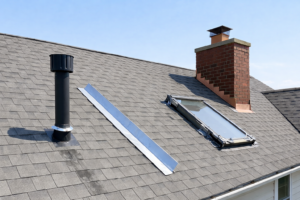
Flashing is the metal material installed around chimneys, skylights, roof valleys, and vents to help prevent water from entering the roof system.
Roof Decking
Roof decking is the wooden surface underneath the roofing materials. Damaged decking may need to be repaired or replaced if leaks or moisture have affected it.
Shingles
Shingles are the outer roofing materials that help protect the roof from weather, moisture, and UV exposure. Damaged or missing shingles can lead to leaks and water intrusion.
Roof Leak
A roof leak happens when water enters the home through damaged roofing materials, flashing, vents, or roof penetrations.
Roof Valley
A roof valley is the area where two roof slopes meet. Valleys often direct large amounts of water and can be vulnerable to leaks if flashing or shingles are damaged.
Fascia
Fascia is the board that runs along the roof edge and supports the gutter system. Water damage to the fascia can occur if gutters overflow or roof leaks are present.
Soffit
Soffits are located underneath the roof overhang. They help provide ventilation to the attic and can be damaged by moisture or poor drainage.
Granule Loss
Granule loss happens when asphalt shingles begin losing their protective surface layer. This can happen because of hail, age, weather exposure, or storm damage.
Hail Damage
Hail damage may include dents, bruising, cracked shingles, punctures, and granule loss.
Wind Damage
Wind damage can include missing shingles, lifted shingles, loose flashing, and debris-related roof damage.
Water Intrusion
Water intrusion refers to moisture entering the roof system, attic, walls, or ceilings because of leaks or damaged roofing materials.
Insurance Adjuster
An insurance adjuster is the person who inspects roof damage on behalf of the insurance company. Adjusters review the condition of the roof and determine whether the damage may be covered.
Deductible
A deductible is the amount the homeowner pays before insurance coverage begins.
Depreciation
Depreciation refers to the reduction in roof value based on age, condition, and expected lifespan.
Supplemental Claim
A supplemental claim may be filed if additional damage is discovered after the original claim is approved.
How Roof Repair Terms Affect Insurance Claims
Roof repair terminology is important because it can affect how claims are processed and what repairs may be covered.
Contractors and insurance adjusters often use these terms to describe damage, estimate repair costs, and recommend replacement options.
For example, a claim may involve:
- Missing shingles caused by wind damage
- Damaged flashing near a chimney
- Water intrusion in the attic
- Rotting fascia boards
- Soft roof decking
- Hail damage with granule loss
The more homeowners understand these terms, the easier it may be to review inspection reports and discuss repair options.
Learn More About Roof Repair and Roof Insurance Claims
Understanding common roof repair terms can help homeowners feel more confident during inspections, insurance claims, and repair projects.
Knowing the meaning of terms like flashing, roof decking, water intrusion, and supplemental claim can make it easier to communicate with contractors and insurance companies.
Eagle Watch Roofing helps homeowners identify roof damage, understand repair terminology, and navigate roof insurance claims.
Professional roof inspections can help determine the condition of the roof and identify the best next steps for repair or replacement.
Roof Repair Terms Homeowners Should Know During Roof Insurance Claims
Roof repair and roof insurance claims often involve technical language that may be unfamiliar to homeowners.
After storm damage, hail, wind, or unexpected leaks, homeowners may hear roofing and insurance terms that make the process more confusing.
Understanding common roof repair terms can help homeowners communicate more effectively with roofing contractors, insurance adjusters, and insurance companies.
It can also help make repair estimates, inspections, and claim paperwork easier to understand.
Why Roof Repair Terminology Matters
When roof damage occurs, homeowners often need to make quick decisions about inspections, repairs, and insurance claims.
Knowing common roofing terms can help homeowners better understand what damage exists and what work may be needed.
Roof repair terminology may appear in:
- Roof inspection reports
- Insurance claim paperwork
- Repair estimates
- Adjuster notes
- Roofing contracts
- Roof replacement recommendations
Understanding these terms can help homeowners avoid confusion and make more informed decisions during the claims process.
How Roof Repair Terms Affect Insurance Claims
Roof repair terminology is important because it can affect how claims are processed and what repairs may be covered.
Contractors and insurance adjusters often use these terms to describe damage, estimate repair costs, and recommend replacement options.
For example, a claim may involve:
- Missing shingles caused by wind damage
- Damaged flashing near a chimney
- Water intrusion in the attic
- Rotting fascia boards
- Soft roof decking
- Hail damage with granule loss
The more homeowners understand these terms, the easier it may be to review inspection reports and discuss repair options.
Frequently Asked Questions
Why is flashing important during roof repair?
Flashing helps seal areas around vents, chimneys, skylights, and roof valleys. If flashing is damaged, water can enter the roof system and lead to leaks. Flashing is especially important in areas where the roof changes direction or has openings. Replacing damaged flashing during roof repair can help prevent future water intrusion and structural damage.
What is roof decking?
Roof decking is the wood layer underneath the roofing materials. It provides structural support for shingles and other roofing components. If roof decking becomes soft, rotted, or damaged by moisture, it may need to be replaced before repairs or a new roof installation can be completed. Strong decking helps improve the overall stability and lifespan of the roof.
Can granule loss mean the roof is damaged?
Yes, granule loss can reduce the roof’s ability to protect against UV exposure and weather. It may also be a sign of hail damage or aging shingles. When shingles lose too many granules, they may wear out faster and become more vulnerable to leaks. Homeowners who notice granules collecting in gutters should consider scheduling a roof inspection.
What does water intrusion mean?
Water intrusion means moisture is entering the roof system, attic, walls, or ceilings. This can happen because of leaks, damaged shingles, or poor flashing. Over time, water intrusion can lead to mold growth, damaged insulation, wood rot, and interior ceiling stains. Identifying water intrusion early can help prevent more serious structural problems.