


How Roof Insurance Claims Work After Storm Damage in Atlanta
Storm damage can leave homeowners dealing with leaks, missing shingles, hail impacts, and major roofing concerns.
In many cases, insurance may cover part or all of the repair or replacement cost.
However, the roof insurance claims process can feel confusing, especially when homeowners are already dealing with damage and trying to protect their property.
Eagle Watch Roofing helps homeowners throughout the Atlanta area navigate roof insurance claims after storm damage.
Whether you are dealing with hail, wind, fallen tree limbs, or heavy rain, understanding the claims process can help you avoid delays, denied coverage, and unexpected costs.
If your roof has already reached the end of its lifespan or the damage is severe, homeowners may also want to explore options for a full roof replacement through the new roof installation.
What Types of Roof Damage Are Usually Covered by Insurance?
Most homeowner insurance policies cover sudden or accidental roof damage caused by weather-related events.
Coverage may vary depending on the age of the roof, policy details, and the type of damage.
Roof damage that may be covered by insurance includes:
- Hail damage
- Wind damage
- Fallen tree limbs
- Storm-related leaks
- Missing shingles after severe weather
- Roof punctures caused by debris
- Damage from lightning strikes
- Structural roof damage caused by storms
Insurance usually does not cover normal wear and tear, poor maintenance, neglect, or roofs that have reached the end of their expected lifespan.
For example, an older roof with curling shingles and long-term deterioration may not qualify for coverage, even if a storm recently passed through the area.
Signs You May Need to File a Roof Insurance Claim
Not all roof damage is easy to spot from the ground. Some problems may not become obvious until weeks after a storm.
Common signs you may need to file a roof insurance claim include:
- Missing shingles
- Lifted or torn shingles
- Granules collecting in gutters
- Water stains on ceilings
- Leaks in the attic
- Dented flashing or vents
- Hail impacts on gutters and siding
- Fallen tree limbs on the roof
- Sagging roof sections
- Visible punctures or holes
If you notice any of these issues after a storm, schedule a professional roof inspection as soon as possible. Waiting too long can make it harder to connect the damage to the storm event.
Step-by-Step Roof Insurance Claims Process
Schedule a Roof Inspection
The first step is to have your roof professionally inspected. A roofing contractor can identify visible and hidden storm damage and provide documentation for the claim.
At Eagle Watch Roofing, we inspect:
- Shingles
- Flashing
- Roof decking
- Gutters
- Vents
- Chimneys
- Attic spaces
- Signs of hail or wind damage
A detailed inspection can help determine whether repair or replacement is needed.
Document the Damage
Take clear photos of damaged areas if it is safe to do so. Include:
- Missing shingles
- Fallen branches
- Interior water stains
- Ceiling leaks
- Damaged gutters
- Debris around the home
The more documentation you have, the easier it may be to support your claim.
Contact Your Insurance Company
Notify your insurance provider as soon as possible after the damage occurs. They may ask for:
- Date of the storm
- Description of the damage
- Photos
- Roofing inspection report
- Policy information
Your insurance company will typically assign an adjuster to inspect the roof.
Meet With the Insurance Adjuster
The adjuster will inspect the roof to determine whether the damage is covered and how much the insurance company will pay.
Many homeowners choose to have their roofing contractor present during this inspection to help point out storm-related damage and answer technical questions.
Review the Claim Settlement
Once the insurance company finishes its review, you will receive a claim summary explaining:
- Approved repairs
- Covered replacement areas
- Deductible amount
- Payment schedule
- Depreciation details
If the settlement does not fully reflect the damage, your roofing contractor may be able to provide additional documentation.
Complete the Roof Repairs or Replacement
After the claim is approved, roofing work can begin. Depending on the amount of damage, homeowners may need:
- Roof repairs
- Partial roof replacement
- Full roof replacement
- Gutter replacement
- Flashing repair
If the roof is older or heavily damaged, a full replacement may be the better long-term solution.
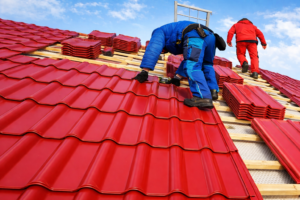
Roof Repair vs. Roof Replacement After an Insurance Claim
One of the biggest questions homeowners faces is whether insurance-covered damage requires a repair or a full roof replacement.
Roof repair may be appropriate if:
- Damage is limited to a small section
- Most of the roof is still in good condition
- The roof is relatively new
- Matching shingles are still available
Roof replacement may be the better option if:
- Storm damage affects a large area
- Multiple leaks are present
- The roof is older
- Matching materials are unavailable
- The roof has previous repair history
- The structure has significant hail or wind damage
In many cases, homeowners use an insurance claim as an opportunity to upgrade to a new roofing system with improved durability and energy efficiency.
For more information about full roof replacement options, link to the new roof installation service page.
Common Reasons Roof Insurance Claims Get Denied
Insurance claims are not always approved. Understanding common reasons for denial can help homeowners avoid problems.
Roof insurance claims may be denied because of:
- Lack of storm documentation
- Delayed claim filing
- Normal roof aging
- Poor maintenance
- Existing leaks before the storm
- Improper roof installation
- Policy exclusions
- Failure to prevent further damage after the storm
If your claim is denied, it may still be possible to request a second inspection or provide additional evidence.
How Eagle Watch Roofing Helps With Roof Insurance Claims
Eagle Watch Roofing works with homeowners throughout the Atlanta area to simplify the roof insurance claims process.
Our team can help by:
- Performing storm damage inspections
- Providing roof documentation
- Identifying hail and wind damage
- Meeting with insurance adjusters
- Explaining repair versus replacement options
- Completing repairs quickly
- Installing new roofing systems when needed
We understand how stressful storm damage can be and work to make the process easier for homeowners.
CTA
If your home has roof damage after a storm, Eagle Watch Roofing can help you understand your options and navigate the insurance claims process.
Our team provides roof inspections, claim support, repairs, and full roof replacement services for homeowners throughout the Atlanta area.
Schedule a storm damage roof inspection today to determine whether your roof qualifies for insurance-covered repairs or replacement.
FAQs
Will homeowners insurance cover roof damage from hail?
In many cases, yes, hail damage is often covered if it causes sudden roof damage such as punctures, missing shingles, dents, or leaks.
How long do I have to file a roof insurance claim?
The timeline varies by insurance company and policy, but homeowners should file as soon as possible after storm damage occurs.
Can I choose my own roofing contractor for insurance work?
Yes, homeowners are typically allowed to choose their own roofing company rather than using a contractor recommended by the insurance company.
What if my insurance company only approves part of the repairs?
A roofing contractor may be able to provide additional documentation or request a supplemental claim if more damage is found.
Will my insurance rates go up if I file a roof claim?
Insurance rates may change depending on the claim history, location, and type of damage, but weather-related claims are often treated differently than other claim types.
Should I repair my roof before the insurance adjuster arrives?
Homeowners should only make temporary repairs needed to prevent additional damage, such as covering leaks with a tarp. Permanent repairs should usually wait until after the inspection.
Does insurance cover an old roof?
Older roofs may still qualify for partial coverage, but insurance companies often reduce payouts based on depreciation and roof age.