


Batt Insulation: A Complete Guide to Understanding Its Benefits
When homeowners and builders look for insulation that balances cost, performance, and reliability, batt insulation benefits quickly stand out as a practical solution for both residential and light commercial spaces.
Its proven ability to improve energy efficiency, support indoor comfort, and adapt to a wide range of applications has made batt insulation a trusted choice across the U.S.
Whether you’re building new or upgrading existing insulation, understanding how batt insulation works and where it performs best helps you make a smart, long-term decision.
This guide covers what batt insulation is, how it works, available types, installation basics, costs, and comparisons so you can decide if it’s the right fit for your property.
What Is Batt Insulation?
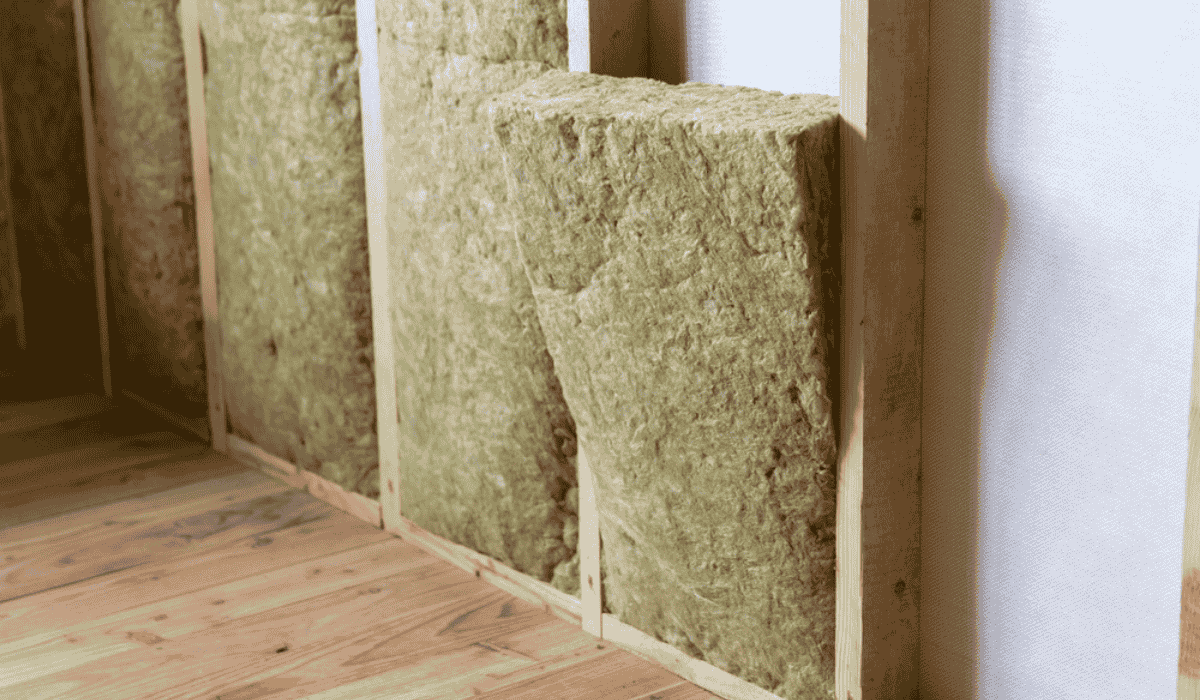
Batt insulation is a type of blanket insulation made from pre-cut panels designed to fit snugly between standard wall studs, floor joists, and ceiling rafters.
These panels are manufactured in consistent widths and lengths to match common framing dimensions, making installation efficient and predictable.
Common materials used in batt insulation include fiberglass, mineral wool, and natural fibers such as cotton.
Because batts are factory-formed, they offer uniform thickness and performance when installed correctly.
Homeowners often choose batt insulation because it balances ease of installation with reliable insulation performance in a wide range of applications.
How Batt Insulation Works
Batt insulation works by slowing heat transfer between indoor and outdoor spaces.
It does this by trapping air within its fibers, reducing heat movement through conduction and convection.
The effectiveness of batt insulation is measured by its R-value, which indicates resistance to heat flow. Higher R-values provide better insulating performance.
When properly installed without compression or gaps, batt insulation creates a continuous thermal barrier that helps maintain consistent indoor temperatures.
This reduces strain on heating and cooling systems and contributes to improved energy efficiency throughout the year.
Key Benefits of Batt Insulation
Energy Efficiency and Comfort
One of the biggest advantages of batt insulation is its ability to reduce heat loss in winter and heat gain in summer.
By stabilizing indoor temperatures, it helps lower energy consumption and supports a more comfortable living environment.
Homes with well-installed batt insulation often experience fewer drafts and more consistent room-to-room temperatures.
Cost-Effective Insulation Solution
Batt insulation is widely regarded as one of the most affordable insulation options available.
Both material and installation costs are typically lower than alternatives like spray foam, making it accessible for homeowners working within a budget.
This affordability does not come at the expense of performance when the insulation is installed correctly.
Sound Control
Batt insulation also offers noticeable sound-absorbing properties.
When installed in interior walls or floors, it helps reduce noise transfer between rooms and levels.
This makes it a practical choice for bedrooms, home offices, and multi-family living spaces where noise control is important.
Moisture Management
Certain batt insulation products include vapor-retarding facings that help manage moisture movement.
This can reduce the risk of condensation inside walls and ceilings, supporting a healthier indoor environment and helping protect building materials from moisture-related damage.
Fire Resistance
Materials like fiberglass and mineral wool are naturally non-combustible.
This fire-resistant quality can add an extra layer of protection to a structure and is one reason batt insulation is commonly used in residential construction.
Types of Batt Insulation
Fiberglass Batt Insulation
Fiberglass is the most common type of batt insulation. It is lightweight, affordable, and offers reliable thermal performance.
Fiberglass batts are widely available in various R-values, making them suitable for walls, attics, floors, and ceilings.
Mineral Wool Batt Insulation
Mineral wool batts are denser than fiberglass and provide enhanced soundproofing and fire resistance.
They also perform well in areas where moisture resistance is important. While typically more expensive, mineral wool batts offer superior durability and acoustic control.
Cotton and Natural Fiber Batts
Cotton batt insulation is made from recycled natural fibers and appeals to homeowners seeking environmentally friendly options.
While not as common, these batts provide solid thermal performance and are often treated to resist fire, mold, and pests.
Where Batt Insulation Is Used
Batt insulation is suitable for a wide range of applications, including exterior walls, interior partitions, attics, floors above unconditioned spaces, and crawl spaces.
Its pre-cut design makes it especially effective in open framing, where consistent spacing allows for a tight, even fit.
What Should You Know About Professional Installation and DIY Batt Insulation
If you’re thinking about how to install batt insulation, you’re likely considering a do-it-yourself approach. However, real-world performance depends heavily on proper installation.
Even small mistakes, such as batts that are cut too short, compressed into tight spaces, or loosely fitted can significantly reduce the effective R-value and limit energy savings.
Gaps and uneven coverage allow air movement, which undermines the insulation’s ability to regulate indoor temperatures.
Professional installation from the top roofing company in Newnan, GA, helps eliminate these issues by ensuring each batt is precisely sized, fully expanded, and installed with consistent coverage.
Trained installers also understand local building codes, vapor barrier requirements, and best practices for sealing around penetrations, which helps maximize long-term performance and durability.
Common Batt Insulation Installation Mistakes to Avoid
Several installation errors can prevent batt insulation from delivering its full benefits.
Gaps around electrical wiring, plumbing lines, and framing members create pathways for heat loss and air leakage.
Over-compression is another frequent issue; when batts are squeezed too tightly, trapped air is reduced, lowering thermal resistance and overall effectiveness.
Addressing these details during installation is essential.
Proper cutting, careful fitting around obstacles, and maintaining full loft ensure batt insulation performs as intended throughout the home.
When Spray Foam Insulation May Be the Better Option
While batt insulation works well in open, uniform framing, some areas of a home require a more advanced solution.
Irregular cavities, tight spaces, and areas prone to air leakage, such as attics, crawl spaces, and rim joists often benefit more from spray foam insulation.
Eagle Watch Roofing offers professional spray foam insulation services designed to complement or outperform traditional batt insulation where air sealing is critical.
Spray foam expands on application, sealing gaps, cracks, and penetrations that batts cannot fully address.
This creates a continuous air barrier that enhances energy efficiency, improves moisture control, and strengthens overall thermal performance.
In many cases, a hybrid insulation approach delivers the best results using batt insulation in standard wall cavities while applying spray foam in high-leakage or hard-to-reach areas.
A professional assessment can determine the most effective insulation strategy for your home based on structure, climate, and energy goals.
Batt Insulation vs Other Insulation Types
Choosing the right insulation depends on factors such as budget, building structure, energy goals, and long-term performance expectations.
While batt insulation is one of the most widely used options, it’s important to understand how it compares to other common insulation types like spray foam and blown-in insulation.
Batt Insulation vs Spray Foam Insulation
Batt insulation is generally more affordable upfront and works well in areas with open, uniform framing such as walls and floors.
It provides reliable thermal resistance when installed correctly, making it a practical choice for many residential applications. However, batt insulation does not create an airtight seal on its own.
Small gaps, seams, or penetrations can allow air leakage, which may reduce overall energy efficiency.
Spray foam insulation, on the other hand, expands after application and fills cracks, gaps, and hard-to-reach spaces that traditional batts cannot fully seal.
This makes spray foam especially effective for air sealing, moisture control, and improving overall building envelope performance.
Homes with complex framing, older construction, or noticeable drafts often benefit more from spray foam insulation.
Eagle Watch Roofing provides professional spray foam insulation services that are ideal for attics, crawl spaces, rim joists, and other areas where air leakage is common.
In many projects, spray foam delivers higher energy savings over time despite its higher initial cost.
Batt Insulation vs Blown-In Insulation
When compared to blown-in insulation, batt insulation offers more predictable thickness and consistent coverage in framed cavities.
Because batts are pre-cut, installers can ensure uniform depth and placement, which helps maintain a consistent R-value throughout the space.
Batts are also easier to remove or replace during renovations or repairs.
Blown-in insulation performs well in irregular cavities and finished walls where batts cannot be installed easily.
It fills voids more naturally but can settle over time, potentially reducing effectiveness if not properly installed.
Blown-in insulation is commonly used in attics and retrofit projects, while batts remain a preferred choice for new construction and open framing.
Which Insulation Option Is Best?
Each insulation type has its strengths. Batt insulation stands out for its affordability, versatility, and ease of installation in standard framing.
Spray foam excels in air sealing and moisture resistance, while blown-in insulation is effective for retrofitting enclosed spaces.
In many cases, the best solution is not choosing one over the other but combining them strategically.
A hybrid approach using batt insulation in walls and floors while applying spray foam in high-leakage areas can maximize comfort, energy efficiency, and long-term performance.
A professional evaluation helps determine the most effective insulation strategy based on your home’s structure and energy needs.
Cost, Return on Investment, and Long-Term Value
The cost of batt insulation depends on several important factors, including the material type, the required R-value, the size of the area being insulated, and whether the installation is handled professionally or as a DIY project.
Fiberglass batt insulation is generally the most economical option and is widely used in residential construction.
Mineral wool and natural fiber batts typically cost more, but they offer added benefits such as improved sound control, higher fire resistance, or eco-friendly materials.
While batt insulation may seem like an upfront expense, its long-term value lies in energy savings.
Properly installed batts reduce heat loss during colder months and limit heat gain during warmer seasons.
This helps heating and cooling systems operate more efficiently, often leading to noticeable reductions in monthly utility bills.
Over time, these energy savings can offset the initial installation cost, making batt insulation a cost-effective investment for long-term comfort and efficiency.
In addition to lower energy costs, effective insulation can also help protect the building structure by reducing temperature fluctuations and minimizing moisture-related issues.
These benefits contribute to a higher overall return on investment, especially in homes that previously had little or poorly installed insulation.
Maintenance Requirements and Insulation Lifespan
Batt insulation is known for its durability and low maintenance needs.
When installed correctly and kept dry, batt insulation can last for several decades without losing effectiveness.
Unlike some insulation types that settle or degrade over time, batts maintain their shape and thermal performance as long as they remain undisturbed.
Periodic inspections are still recommended, particularly after roof leaks, plumbing issues, or major renovations.
Moisture exposure can compromise insulation performance and may require replacement of affected sections.
Compressed or displaced batts should also be corrected, as these conditions reduce thermal resistance and energy efficiency.
Replacing damaged insulation promptly helps maintain consistent indoor comfort and prevents long-term performance issues.
With proper installation and occasional checks, batt insulation provides reliable, long-lasting performance throughout the life of the building.
Conclusion
Batt insulation remains a dependable and practical solution for homeowners seeking energy efficiency, comfort, and cost savings.
With multiple material options, flexible applications, and proven performance, it continues to be a trusted choice for both new construction and retrofit projects.
When installed correctly, batt insulation delivers long-lasting benefits that enhance indoor comfort and reduce energy expenses.
If you’re considering upgrading your home’s insulation, consult an experienced insulation professional to determine the right batt insulation type and R-value for your needs.
A proper assessment ensures maximum performance, long-term savings, and year-round comfort.
Frequently Asked Questions
Is batt insulation good for walls?
Batt insulation works very well in wall cavities when properly sized and installed. It provides consistent thermal resistance and helps control noise between rooms. Correct fitting without gaps is key to achieving optimal performance.
What R-value should batt insulation have?
The ideal R-value depends on climate and application. Colder regions typically require higher R-values, especially in attics and exterior walls. A professional can recommend the correct rating for your location.
Can batt insulation reduce noise?
Batt insulation helps absorb sound waves and reduce noise transfer between rooms, floors, and ceilings. It works by limiting vibration and echo within wall cavities. Mineral wool batts are particularly effective for sound control due to their higher density. This makes batt insulation a good option for bedrooms, offices, and shared living spaces.
Is batt insulation safe for homes?
Modern batt insulation products are manufactured with safety standards in mind. Materials such as fiberglass and mineral wool are non-combustible and do not easily catch fire. Many products are also treated to resist mold, mildew, and pests. Proper installation further ensures safe and long-lasting performance.
Can I install batt insulation myself?
Batt insulation can be installed as a DIY project, but accuracy is critical for good results. Incorrect cutting, compression, or gaps around wiring and framing can reduce insulation effectiveness. Professional installation helps ensure full coverage, proper fit, and compliance with building codes. This often leads to better energy performance over time.
How long does batt insulation last?
Batt insulation can last for several decades when it remains dry and undisturbed. It does not typically settle or degrade under normal conditions. However, moisture exposure, compression, or physical damage can shorten its lifespan. Periodic inspections help identify issues early and maintain performance.
Does batt insulation help lower energy bills?
Batt insulation reduces heat loss in colder months and limits heat gain during warmer seasons. This helps heating and cooling systems work more efficiently and reduces energy demand. Over time, homeowners often see lower utility bills as a result. Consistent indoor temperatures also improve overall comfort.
Is batt insulation environmentally friendly?
Many batt insulation products contain recycled materials, particularly fiberglass options. Natural fiber batts are available for homeowners seeking more eco-conscious solutions. Improved energy efficiency also reduces overall energy consumption, which lowers environmental impact. Choosing the right insulation supports both sustainability and comfort goals.
Where should batt insulation not be used?
Batt insulation is not ideal for spaces with irregular framing, tight cavities, or high moisture exposure without proper vapor control. Areas like rim joists, crawl spaces, or locations prone to air leakage may require alternative insulation types. In these cases, solutions like spray foam insulation often perform better by sealing gaps and controlling moisture.
How effective is soundproofing with batt insulation?
Soundproofing with batt insulation helps reduce noise transfer by absorbing sound waves inside wall and floor cavities. It minimizes echo and vibration between rooms, improving acoustic comfort. Mineral wool batts are especially effective due to their higher density. This makes batt insulation a practical option for quieter living spaces.
How does batt insulation moisture control work?
Batt insulation moisture control depends on proper installation and the use of vapor-resistant facings. When installed correctly, batts help limit condensation inside walls and ceilings. This supports a healthier indoor environment and protects framing materials. Moisture management is especially important in bathrooms, basements, and exterior walls.
Do homeowners see real batt insulation energy savings?
Batt insulation energy savings come from reducing heat loss in winter and heat gain during summer. This allows heating and cooling systems to run more efficiently and less frequently. Over time, many homeowners notice lower utility bills and improved indoor comfort. Consistent insulation performance supports long-term efficiency gains.