


Why a Roofer Recommended a Full Roof Replacement After Wind Damage
Wind damage can be one of the most destructive forces that affect your roof.
If your roof has suffered from strong winds, a roofer may recommend a full roof replacement rather than just repairing it.
In this post, we’ll explore why this could be the best solution for your home and the potential risks of ignoring it.
What Causes Wind Damage to Roofs?
Wind can be a major culprit in causing roof damage, especially during storms or hurricanes.
High winds can lift shingles, break seals, and even tear off roofing materials completely.
If not addressed quickly, wind damage can lead to further deterioration of the roof and potentially compromise the entire structure.
Common causes of wind damage include:
- Wind speeds of 50 mph and above
- Flying debris such as tree limbs or loose objects
- Improperly secured shingles or roofing materials
- Old roofing systems that are more vulnerable to wind damage
Wind damage often leads to:
- Missing or broken shingles
- Bent or damaged flashing
- Leaks or water penetration
How to Spot Wind Damage on Your Roof
Spotting wind damage on your roof early can save you from more severe issues down the road.
While it’s always recommended to have a professional roofer conduct a thorough inspection, there are some signs you can look for yourself.
These indicators can help you determine if your roof has been compromised by high winds and if it’s time to take action before the damage worsens.
Even minor wind damage, if left unchecked, can lead to leaks, water damage, and further structural problems.
By knowing what to look for, you can identify potential issues early and prevent more expensive repairs in the future.
Here are some of the most common signs of wind damage that homeowners should watch for:
Missing or loose shingles
High winds can blow off shingles or cause them to lift, making your roof vulnerable to leaks.
Broken or damaged flashing
Flashing around chimneys, vents, or skylights can be bent or displaced by the wind.
Visible leaks
If water is leaking into your home, there’s a strong chance your roof was compromised by wind damage.
Wind Damage Roof Inspection
If you suspect that your roof has been damaged by wind, it’s crucial to schedule a roof inspection.
A professional roof installer will thoroughly assess your roof, checking for:
- Damaged or missing shingles
- Structural damage to the roof deck
- Broken flashing or seals
- Leaks or signs of water damage
Roof Repair vs. Roof Replacement: What’s the Best Solution?
Roof repairs generally involve fixing small issues, such as replacing a few shingles or patching up small leaks.
If the damage is localized, a repair can be an affordable solution to extend the life of your roof.
Sometimes, repairing a roof is not enough, especially if the damage is extensive.
If your roof has suffered significant damage from wind, such as multiple missing shingles, compromised structural integrity, or damage to multiple layers, replacing the roof may be the best option.
A full roof replacement may be necessary if:
Wind damage is widespread
If the roof has multiple areas with severe damage, a repair may not effectively restore the roof’s strength.
The roof is beyond repair
Over time, repairs may no longer be sufficient to maintain a safe and functional roof.
Aging roof
If your roof is nearing the end of its lifespan, wind damage can push it past its limit, requiring a full replacement.
Why Roofers Recommend Full Roof Replacement After Wind Damage
Extent of Wind Damage
A roofer might recommend a full roof replacement after wind damage if the extent of the damage compromises the roof’s overall structure. For example:
Multiple areas of damage
If your roof has several areas with missing shingles or leaks, repairing them all might be too costly and ineffective.
Damage to the roof deck
Wind damage that affects the roof deck (the base structure of the roof) is not easily repaired and could lead to long-term issues.
Risks of Not Replacing the Roof
Ignoring a full roof replacement can lead to bigger problems down the line. If wind damage is left unaddressed, it could result in:
Leaks and water damage
Small leaks can worsen over time and lead to mold or structural issues.
Increased repair costs
Trying to repair a roof that is beyond saving may only lead to higher costs later on.
Safety risks
A compromised roof can pose a danger to the structure of your home, especially during future storms.
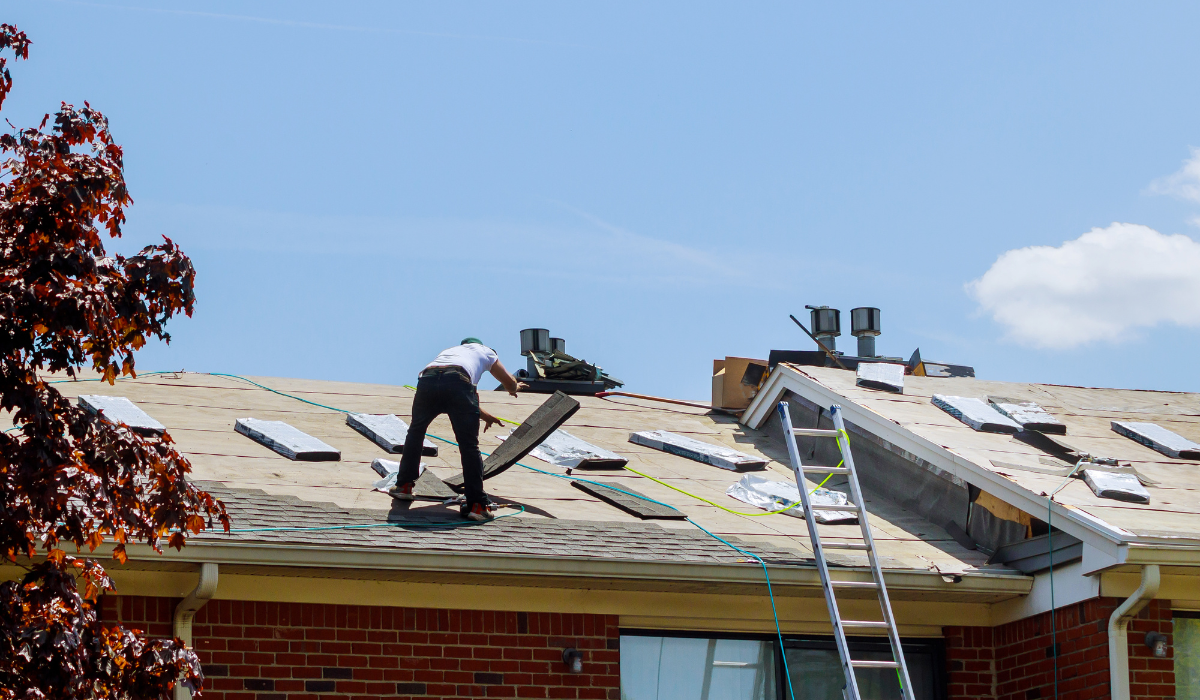
The Right Time for Roof Replacement
Roofers typically recommend replacing the roof after wind damage if repairs will not restore the roof’s integrity.
Delaying the replacement could result in additional damage, such as rotting wood or mold growth, making the situation worse.
How Much Does a Full Roof Replacement After Wind Damage Cost?
Roof Replacement Costs
The cost of replacing a roof after wind damage can vary based on several factors, such as:
Size of the roof
Larger roofs require more materials and labor.
Materials used
Asphalt shingles are typically cheaper than metal roofing, for example.
Labor costs
Roofing labor costs can vary by region, but this can vary depending on the factors above.
Insurance for Roof Replacement
Many homeowners’ insurance policies cover wind damage.
However, it’s important to review your policy to understand what is covered and how much of your deductible you will need to pay.
An experienced roofing contractor can assist in working with your insurance company to ensure you get the proper reimbursement.
Preventing Wind Damage to Your Roof
To further minimize the risk of wind damage, it’s essential to be proactive in maintaining and reinforcing your roof.
By taking a few preventive measures, you can help ensure that your roof stands strong against the forces of nature.
A combination of regular upkeep, the right materials, and attention to potential hazards will give your roof the best chance to endure high winds and severe weather conditions.
Let’s explore some of these steps in more detail below.
How to Reduce the Risk of Wind Damage
While it’s not possible to prevent wind damage entirely, there are steps you can take to minimize the risk:
Regular roof inspections
Schedule annual inspections to spot potential weak spots before they cause problems.
Trim trees
Keep trees and branches trimmed to prevent them from falling on your roof during storms.
Wind-resistant materials
Consider installing wind-resistant roofing materials like impact-resistant shingles to improve your roof’s durability.
Conclusion:
If your roof has suffered wind damage, don’t wait until the damage gets worse.
Contact a professional roofer to schedule an inspection and, if necessary, a full roof replacement.
At Eagle Watch Roofing, we are excellent in roof repairs and full roof replacements, helping homeowners ensure their roofs are safe, secure, and ready to withstand future storms.
Frequently Asked Questions
What are the signs that my roof has been damaged by wind?
Wind damage can be seen through missing shingles, broken flashing, and leaks. You may also notice visible damage from the ground such as shingles being lifted or debris scattered on the roof.
Is roof replacement always necessary after wind damage?
If the damage is minimal, a roof repair may be sufficient. However, if the wind damage is widespread or affects the roof’s structural integrity, a full roof replacement may be necessary.
How can a roofing contractor determine if my roof needs replacement?
A roofing contractor will conduct a thorough inspection, looking for extensive damage, compromised roof decking, or missing layers. If the roof can no longer function properly, replacement is the best option.
Can wind damage to my roof lead to further issues?
Yes, untreated wind damage can lead to leaks, mold, and water damage, which can escalate repair costs over time. In some cases, it may affect the structural integrity of your home.
How long does it take to replace a roof after wind damage?
A full roof replacement can take anywhere from a few days to a week, depending on the roof size and weather conditions. A contractor will provide a timeline based on the scope of the damage.
How can I prevent wind damage to my roof in the future?
You can reduce the risk of wind damage by ensuring your roof is regularly inspected, trimming nearby trees, and considering wind-resistant roofing materials. Proper maintenance is key to prolonging the life of your roof.
What materials are best for preventing wind damage?
Impact-resistant shingles, metal roofing, and synthetic materials are all good options for reducing wind damage. Your roofing contractor can help you choose the best material for your home’s needs.