


What is the Next Step After Your Roof Insurance Claim is Approved?
The next steps after the approval of the roof insurance claim are to determine whether your home is properly restored or whether hidden issues, delays, and unexpected costs arise later.
While claim approval feels like the finish line, it is actually the beginning of the most important phase of the process.
Many homeowners assume that once insurance approves the claim, everything else is automatic.
In reality, approval only confirms that covered damage exists.
It does not guarantee that all necessary repairs, especially those affecting ventilation, attic airflow, or moisture-related components, have been fully evaluated.
Understanding what happens after roof insurance approval helps you take the right actions in the correct order, protect your insurance payout, and ensure your home is restored completely.
Once your roof insurance claim is approved, knowing what to do next and in what order matters just as much as the approval itself.
Many problems homeowners face after claim approval stem from skipping steps, taking actions out of sequence, or assuming the insurance company handles everything automatically.
What happens after roof insurance approval
To help you avoid delays, uncovered expenses, and missed damage, the following step-by-step breakdown explains exactly what happens after roof insurance approval.
Also, we have mentioned the actions that you can take at each stage.
These steps walk you through the process from understanding your settlement to completing repairs and receiving final insurance payments, so you can move forward with clarity and confidence.
Assist You in Understanding the True Significance of Claim Approval
When an insurance adjuster approves your roof claim, it means the damage qualifies under your policy. However, this approval does not usually include the full repair cost upfront.
Most policies issue an initial payment based on Actual Cash Value (ACV). This amount accounts for depreciation.
The remaining balance, known as a roof insurance depreciation payment, is released only after repairs are completed and documented. This is where confusion often begins.
Homeowners expect full payment immediately, but the roof insurance claim process after approval continues until work is finished, inspections are completed, and paperwork is submitted.
For homeowners who want a deeper understanding of roof insurance claims are filed, inspected, and approved from the beginning, our detailed guide on understanding roof insurance claims step by step explains the full process in depth.
Review Your Roof Claim Settlement in Detail
One of the most critical next steps after roof insurance claim approval is reviewing the insurance scope of work carefully.
This document explains:
- What materials are approved
- How much the insurer will pay
- What the homeowner is responsible for
Pay close attention to roofing materials, underlayment, flashing, ventilation components, code upgrades, deductibles, and depreciation amounts.
If anything is missing or underestimated, those costs could become your responsibility if not addressed early.
This step ensures your roof claim settlement is clearly explained before repairs begin.
Help You Choose the Right Contractor After Insurance Approval
Choosing a contractor is not just about replacing shingles.
When choosing a roofing contractor after insurance approval, it’s important to work with professionals who understand roof repairs and know how to properly support the insurance claim process.
Our guide on the role of roofing contractors in supporting insurance claims explains how experienced contractors assist with inspections, documentation, supplements, and communication throughout the claim.
Storm damage often impacts roof decking, attic ventilation, flashing, and moisture protection due to wind-driven rain and exposure.
For this reason, selecting a roofing contractor with experience in post-storm evaluations and insurance-approved scopes of work is essential.
At Eagle Watch Roofing, we support homeowners after claim approval with detailed inspections that uncover hidden damage, verify ventilation performance, and assess moisture exposure and structural roof components affected by storms.
Addressing these areas early helps prevent leaks, trapped moisture, premature roof failure, and denied supplemental claims.
Schedule a Post-Approval Inspection
Once your claim is approved and you’ve selected professionals, the next step is scheduling a detailed post-approval inspection.
This inspection goes beyond the insurance adjuster roof approval and focuses on real-world conditions inside and outside the home.
Experienced contractors play a key role during this stage by documenting findings and communicating them properly to the insurer.
Our guide on how roofing contractors help homeowners with insurance claims explains how this support helps keep claims moving forward.
During this step:
- Hidden or missed damage may be discovered
- Attic ventilation and airflow are evaluated
- Moisture exposure affecting roof decking and insulation is checked
If additional issues are found, they can be documented properly before repairs move forward.
Address Supplements if Additional Damage Is Found
If new damage is identified during inspection, a supplement may be required.
A supplement is a request for additional insurance funds based on documented repairs not included in the original estimate.
Supplements are common and often involve:
- Hidden decking or structural damage
- Code-required upgrades
- Additional ventilation or material needs
Submitting a supplement is a normal part of what happens after insurance approves a roof claim and helps prevent out-of-pocket expenses.
Finalize the Repair Plan and Timeline
Once the scope of work aligns with the insurance settlement, contracts and schedules can be finalized.
This includes selecting materials, confirming timelines, and coordinating permits or HOA requirements if needed.
Weather conditions and material availability may influence scheduling, but clear communication ensures the timeline after roof insurance claim approval stays on track.
Complete Roof Repairs or Replacement
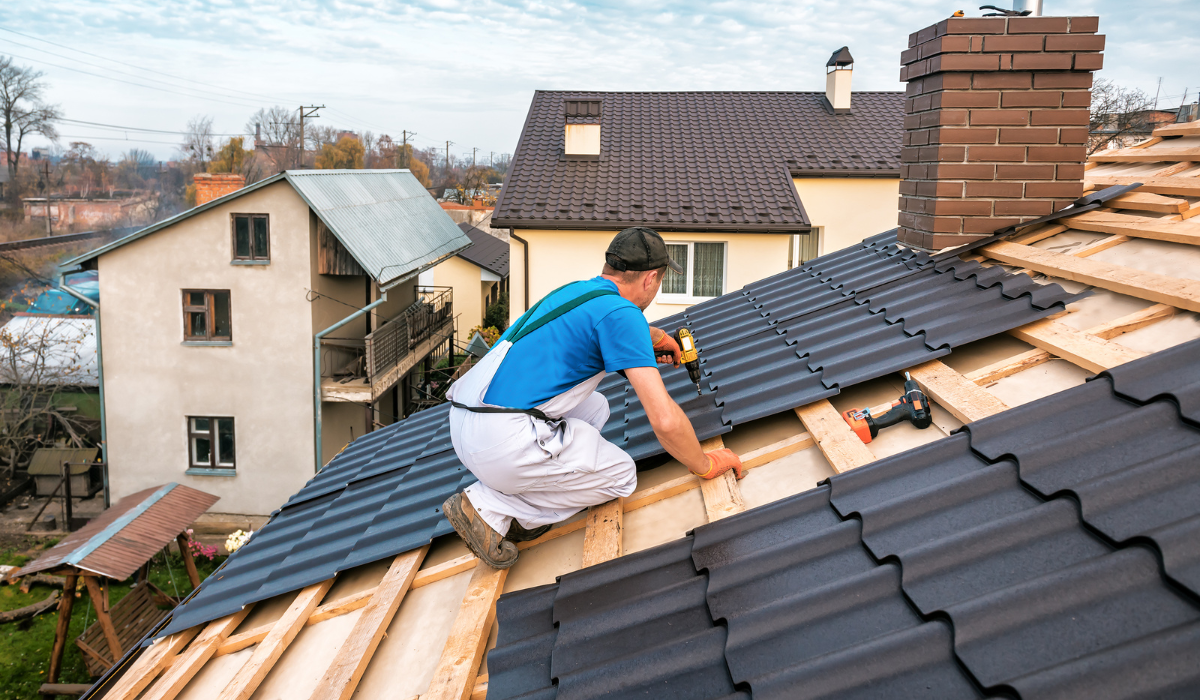
On installation day, crews remove damaged materials and complete the approved work.
Most insurance-approved roof replacement projects are completed within one to two days, depending on size and complexity.
After repairs are finished, a final inspection confirms that all work meets quality standards, local building codes, and insurance requirements.
Submit Documentation for Final Insurance Payment
Once work is complete, invoices, photos, and completion certificates are submitted to the insurer. This triggers the release of recoverable depreciation and any remaining funds.
Staying organized during this step helps avoid delays and ensures the final step after roof insurance claim approval is completed smoothly.
What are the Common Post-approval Mistakes to Avoid?
Even after insurance approves your roof claim, the post-approval phase is where many homeowners accidentally create delays, extra costs, or coverage issues.
These are the most frequent errors that homeowners can make, and we explain why they are important to correct.
Waiting too long to begin repairs
Once your claim is approved, it’s tempting to pause and deal with repairs later. But delays can create real problems:
- Damage can worsen, turning minor leaks into decking damage, insulation saturation, or mold risk.
- Your insurer may question new damage that occurs after approval if it appears related to delayed action.
- Scheduling becomes harder during busy storm seasons.
The safer approach is to begin planning immediately by reviewing the scope, choosing a contractor, and scheduling inspections.
Hiring uninsured or inexperienced contractors
After storms, out-of-area crews or storm chasers often appear offering quick work. The risks include:
- Liability if someone is injured on your property
- Poor workmanship leading to leaks or early roof failure
- Missing documentation needed for depreciation release
A qualified contractor should carry proper insurance, have a strong local reputation, and experience working with insurance claims.
Conclusion
Knowing the correct roof insurance claim approved next steps helps homeowners avoid delays, uncovered expenses, and incomplete repairs.
Insurance approval confirms coverage, but the final outcome depends on how well the post-approval phase is handled.
This includes reviewing your settlement, choosing the right contractor, completing inspections, and submitting final documentation.
Homeowners who stay proactive and ask the right questions are far more likely to receive their full insurance benefits.
Working with an experienced and professional contractor like Eagle Watch Roofing helps ensure the roof is restored correctly the first time.
We support homeowners at every stage after claim approval by fully evaluating storm damage and completing repairs that align with insurance requirements.
By understanding what happens after roof insurance approval and following the process in the right order, you can move forward with confidence.
This approach protects your investment and ensures your home is truly repaired from the top down.
Why Eagle Watch Roofing Is an Important Partner After Claim Approval
Roof damage often affects more than exterior materials.
Improper ventilation, moisture intrusion, and airflow disruptions within the roofing system can lead to long-term performance issues if they are not addressed during repairs.
Eagle Watch Roofing helps homeowners ensure:
- Ventilation systems are properly designed and functioning to support balanced airflow
- Roof decking, underlayment, and insulation are not compromised by storm-related moisture exposure
- The roof system is restored to meet durability, code, and performance standards
Our post-approval process focuses on identifying and correcting issues that impact the entire roofing system, ensuring your home is fully repaired—not just visually fixed.
Frequently Asked Questions
What happens after my roof insurance claim is approved?
After approval, your claim enters the execution phase, not the payment-complete phase. You must review the settlement, select qualified professionals, schedule inspections, complete repairs, and submit final documentation. Insurance approval confirms coverage, but the work and final payments still depend on proper follow-through.
Why doesn’t insurance pay the full amount right away?
Most policies pay in two stages. The first payment is based on Actual Cash Value (ACV), which accounts for depreciation. The remaining amount, known as recoverable depreciation, is only released after repairs are completed and verified. This protects insurers from paying for work that never gets done.
Can I really choose my own contractor after approval?
Yes, homeowners always retain the right to choose their contractor, even after insurance approval. The insurer’s role is to approve coverage not dictate who performs the work. Choosing an experienced and insured professional like Eagle Watch Roofing helps ensure repairs meet both building standards and insurance requirements.
Why is it important to review the insurance settlement carefully?
The settlement outlines exactly what the insurer will and will not pay for. If materials, labor, ventilation components, or code upgrades are missing or undervalued, those costs could fall on you later. Reviewing the settlement early allows issues to be corrected before repairs begin.
What if additional damage is found after approval?
This is common, especially with roof and storm damage. Hidden issues such as decking damage, moisture intrusion, or ventilation problems may not appear during the initial inspection. In these cases, a supplement can be submitted with proper documentation to request additional coverage.
Should ventilation and HVAC systems be checked after roof damage?
Yes, roof damage often affects attic airflow, moisture control, and insulation, which directly impact HVAC performance. If these systems are not evaluated, homeowners may experience humidity issues, uneven temperatures, or higher energy bills long after roof repairs are completed.
How soon should repairs start after insurance approval?
You should begin the process as soon as possible. Delaying repairs increases the risk of further damage and may complicate insurance coverage if new issues arise. Early action also helps secure contractor availability and keeps your claim moving forward.
Do I still have to pay my deductible?
Yes. Your deductible is your responsibility and must be paid regardless of claim approval. Contractors cannot legally waive deductibles, and doing so can lead to coverage issues or claim disputes later.
What paperwork is required to receive the final insurance payment?
Insurance companies typically require proof that repairs were completed, such as invoices, photos, completion certificates, and sometimes permits. Submitting accurate documentation promptly ensures the release of recoverable depreciation and closes the claim without delays.
Why educating yourself after approval matters
Understanding the steps after roof insurance claim approval helps you avoid delays, uncovered expenses, and incomplete repairs. Homeowners who stay informed and proactive are far more likely to receive their full insurance benefits and restore their home correctly the first time.