


Is It Safe to Install a Roof While Raining? The Science Behind Roofing in Wet Conditions
Is it safe to install a roof while raining? It is one of the most common questions homeowners ask when weather changes interrupt a roofing project.
Rain during roof installation can feel alarming, especially when sections of the roof are exposed.
However, modern roofing systems, materials, and professional installation methods are designed to handle unexpected weather safely when managed correctly.
Understanding how roofing in wet conditions works, what risks exist, and how experienced contractors protect your home can help you make informed decisions and avoid unnecessary delays or damage.
Why Weather Matters During Roof Installation
Roof installation is a precise process that relies on timing, surface conditions, and material performance.
Rain introduces moisture that can affect both safety and installation quality if not properly managed.
Roofing weather conditions matter because wet surfaces increase slip risks for crews and can impact how roofing materials bond and seal.
While light rain does not automatically stop a project, heavy rain, strong winds, or storms require work to pause for safety and quality control.
Can Roofing Be Done in the Rain?
The answer to whether roofing can be done in rain depends on several factors.
Installing a roof during rain is sometimes possible, but it must be approached carefully and professionally.
Roof installation in rain may continue when protective underlayment is already in place.
Installation may still proceed when crews are performing limited repairs or when emergency roof replacement in rain is necessary due to active leaks or storm damage.
Roofing safety in rainy weather always takes priority, and reputable contractors will stop work if conditions become unsafe.
The Science Behind Roofing in Wet Conditions
Modern roofing systems are designed with moisture management in mind.
Roofing materials and moisture interaction are well understood in today’s industry, allowing professionals to plan for rain during roof installation.
Synthetic underlayments are water-resistant and provide a temporary barrier that protects roof decking from moisture.
Ice and water shields add another layer of defense in vulnerable areas like valleys and edges.
These systems allow roofing best practices in rain to be followed without compromising long-term performance.
Asphalt shingles can get wet before installation without being damaged, as long as moisture is not trapped underneath.
The key is proper sequencing, ventilation, and secure fastening to prevent wet roof installation risks.
What Happens If It Rains During Roof Installation?
Rain during roof installation does not automatically mean damage.
If rain occurs after tear-off, professional crews quickly install underlayment or temporary coverings to prevent water intrusion.
When rain occurs mid-installation, exposed areas are secured and sealed before work pauses.
If rain falls after completion, a properly installed roof should shed water immediately.
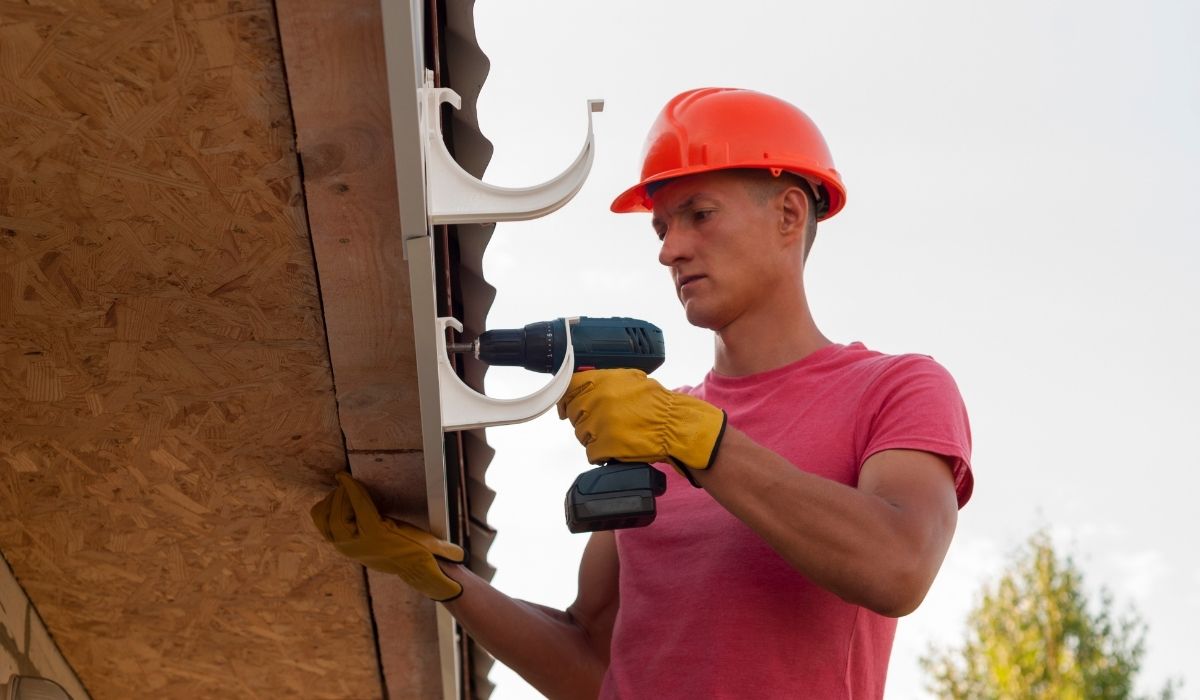
Post-installation inspections are standard to confirm there is no roof installation rain damage and that all components are fully sealed.
Risks of Installing a Roof in the Rain
Installing a roof in wet conditions carries risks when handled improperly.
Wet roof installation risks include worker safety hazards, reduced material adhesion, and the potential for trapped moisture if shortcuts are taken.
Long-term risks can include mold growth, decking deterioration, and premature roof failure.
This is why roofing in wet conditions should only be handled by trained professionals who follow strict procedures and never rush the process.
How Professional Roofers Minimize Rain-Related Risks
Experienced contractors rely on accurate forecasting, detailed planning, and protective systems to manage roofing in wet conditions.
Roof installation in rain is scheduled in phases, allowing sections of the roof to remain protected at all times.
Advanced underlayment systems, careful tear-off sequencing, and daily watertight closeouts help prevent moisture exposure.
These roofing best practices in rain ensure your home stays protected even when weather conditions change unexpectedly.
Professional contractors also use specialized materials and a full range of roof installation services to keep homes and businesses secure during projects affected by rain.
Emergency Roof Installation During Rain
Emergency roof replacement in rain may be necessary after storms or severe damage.
In these situations, temporary solutions such as professional tarping or waterproof membranes are installed to stop active leaks.
Once conditions improve, permanent repairs or full replacement can proceed safely.
Emergency work prioritizes protection and safety, not speed, ensuring the structure remains secure.
How Homeowners Should Evaluate Roofing Work in Rain
Homeowners should take an active role in understanding how contractors manage rain during roof installation, especially when weather conditions are unpredictable.
Asking specific questions about how rain is handled helps set clear expectations and ensures your home remains protected throughout the project.
Contractors should clearly explain their approach to roofing in wet conditions, including what triggers a work stoppage and how exposed areas are secured.
It is also important to ask what materials are used for roof underlayment water protection and why those materials are appropriate for rainy conditions.
High-quality synthetic underlayments, ice and water shields, and temporary waterproof coverings all play a critical role in preventing moisture intrusion.
A professional contractor will be able to explain how these materials work together to protect the roof decking and interior spaces.
Homeowners should also ask how crews prevent moisture from becoming trapped beneath roofing materials.
Proper installation sequencing, surface drying procedures, and ventilation planning are essential for long-term roof performance.
Contractors who follow best practices will never install final roofing materials over wet surfaces or rush the process to meet deadlines.
Finally, a trustworthy roofing company like Eagle Watch Roofing will outline what inspections take place after rainfall occurs during a project.
Post-rain inspections ensure that all protective layers remain intact and that no water has entered the structure.
Clear, proactive communication throughout the process is a strong indicator of professional roofing safety in rainy weather and helps homeowners feel confident that their investment is protected.
Myths vs Facts About Roofing in Rain
Many homeowners believe that any rain ruins a roofing project.
In reality, what matters is how the project is managed. Roofing materials are built to withstand moisture, and modern systems account for weather variability.
The real issue is poor planning or rushed work. When roofing weather conditions are respected and professional standards followed, rain alone does not compromise roof quality.
Conclusion
Is it safe to install a roof while it’s raining? The answer is yes. When handled by experienced professionals using proper materials, planning, and safety protocols.
Roofing in wet conditions requires knowledge, preparation, and the right systems in place to protect your home.
Homeowners should never feel pressured to proceed in unsafe conditions, but they should also know that light rain does not automatically mean disaster when roofing best practices are followed.
Why Choose Eagle Watch Roofing
At Eagle Watch Roofing, every project is planned with weather, safety, and long-term performance in mind.
Our team uses advanced underlayment systems, proven installation techniques, and strict safety protocols to protect your home in all roofing weather conditions.
If you have concerns about rain during roof installation or need expert guidance, you can contact our professionals and ensure that your roof is built to last.
FAQs
Is it safe to install a roof while raining lightly?
Yes, light rain can be managed safely when professional roofing systems are in place. Contractors use water-resistant underlayment and protective coverings to prevent moisture from reaching the decking. Work pauses immediately if conditions become unsafe.
Can roofing be done in rain without damaging materials?
Roofing materials are designed to handle temporary moisture exposure. Problems only occur when moisture is trapped beneath layers or when installation shortcuts are taken. Proper sequencing prevents damage.
What happens if rain occurs after roof tear-off?
Professional crews act quickly by installing underlayment or temporary waterproof coverings to protect exposed areas of the roof. These barriers prevent water intrusion from reaching the decking or interior spaces. Once weather conditions improve, installation resumes without compromising structural integrity. Proper protection ensures the home remains dry throughout the process.
Does rain affect roof warranties?
Rain itself does not void roof warranties when installation follows manufacturer specifications and approved installation methods. Problems only occur if roofing materials are installed improperly or moisture becomes trapped beneath the system. Licensed contractors follow strict guidelines to protect warranty coverage. Documentation and inspections further ensure compliance.
Are synthetic underlayments better for roofing in wet conditions?
Synthetic underlayments provide superior water resistance and tear strength compared to traditional felt. They create a reliable moisture barrier that protects roof decking during unexpected rain. These materials also dry faster and maintain performance in varying temperatures. As a result, they are widely used in modern roofing best practices.
Should roofing stop during heavy rain?
Yes, roofing should always pause during heavy rain, high winds, or storms due to safety and quality concerns. Wet surfaces increase slip hazards and reduce installation accuracy. Continuing work in severe conditions can compromise material performance. Reputable contractors prioritize safety and long-term results over speed.
Can emergency roof replacement be done in rain?
Emergency roof work may proceed when active leaks or storm damage threaten the structure. In these situations, contractors install temporary waterproofing systems to stop water intrusion. Permanent repairs are scheduled once conditions are safe. This approach prevents further damage while maintaining installation quality.
How do roofers prevent moisture from getting trapped?
Roofing crews ensure surfaces are dry before installing shingles or final materials. Proper ventilation, sealing techniques, and staged installation help moisture escape naturally. Underlayment systems are designed to shed water while allowing airflow. These steps reduce the risk of mold, rot, and premature roof failure.
How can homeowners tell if roofing in rain was done correctly?
A properly installed roof will show no signs of leaks after rainfall and will have clean, secure sealing throughout. Contractors typically perform post-installation inspections to confirm everything is watertight. Consistent indoor dryness and stable shingle placement are strong indicators. Professional documentation and warranties provide additional reassurance.