
Eagle Watch Roofing: Meeting the Highest Standards in Licensing, Insurance, and Quality Installation
Eagle Watch Roofing licensing, insurance, and quality installation are not just about meeting minimum requirements. It reflects a commitment to doing roofing the right way every time.
Your roof is a critical structural system designed to protect against rain, heat, wind, and long-term moisture exposure common across Georgia.
Many roofing problems do not come from storms alone.
They come from shortcuts during installation, unlicensed work, or contractors operating without proper insurance.
These issues often surface months or years later as leaks, mold, ventilation failures, or denied insurance claims.
Understanding why roofing licensing, insurance standards, and quality installation matter and how they help people make informed and confident decisions.
What Licensing Really Means for Roofing Contractors
A licensed roofing contractor has demonstrated verified knowledge of building codes, installation practices, and safety standards required by state and local authorities.
Licensing is not a formality, but it is a safeguard for homeowners.
Why Roofing Licenses Matter
- Confirms legal authorization to perform roofing work
- Ensures familiarity with Georgia building codes
- Demonstrates accountability and traceability
- Reduces risk of substandard or unsafe installations
Licensed contractors are required to stay current with code updates and industry best practices.
Roofing involves elevated work, heavy materials, and specialized equipment. Even with experienced crews, accidents can happen.
This ensures your roof is built to today’s standards, not outdated methods that fail prematurely.
Why Roofing Insurance Is Essential for Homeowners
Hiring an insured roofing company protects you from unexpected financial risk. Types of Roofing Insurance That Matter
- General Liability Insurance: Covers accidental property damage
- Workers’ Compensation Insurance: Protects homeowners if a worker is injured
- Completed Operations Coverage: Covers defects discovered after the project is finished
Without insurance, homeowners may be held financially responsible for injuries or damages.
Proper insurance coverage is a non-negotiable requirement for responsible roofing work.
The Hidden Risks of Unlicensed or Uninsured Roofers
Choosing a contractor based solely on price often leads to costly consequences.
Unlicensed or uninsured roofers may operate without accountability, leaving homeowners exposed.
Common Risks Homeowners Face
- Voided manufacturer warranties
- Failed building inspections
- Insurance claim denials
- Costly repairs from poor workmanship
- Legal and financial liability
What appears to be savings upfront often turns into higher long-term costs.
Why Quality Roof Installation Matters More Than Materials Alone
Even the best roofing materials cannot perform properly without professional installation.
Quality installation is what allows a roofing system to function as designed.
Elements of Quality Roof Installation
- Proper underlayment selection and placement
- Accurate shingle alignment and fastening
- Correct flashing installation at vulnerable areas
- Balanced attic ventilation and airflow
- Manufacturer-approved installation methods
Poor installation compromises durability, energy efficiency, and water resistance, regardless of material quality.
How Eagle Watch Roofing Upholds Professional Standards
Eagle Watch Roofing is committed to delivering consistent, code-compliant, and high-quality roofing systems backed by licensing, insurance, and proven installation practices.
What Sets Eagle Watch Roofing Apart
- Fully licensed roofing professionals
- Comprehensive insurance coverage
- Trained and experienced installation crews
- Strict adherence to Georgia building codes
- Detailed inspections before and after installation
Every project is approached with long-term performance in mind, not short-term fixes.
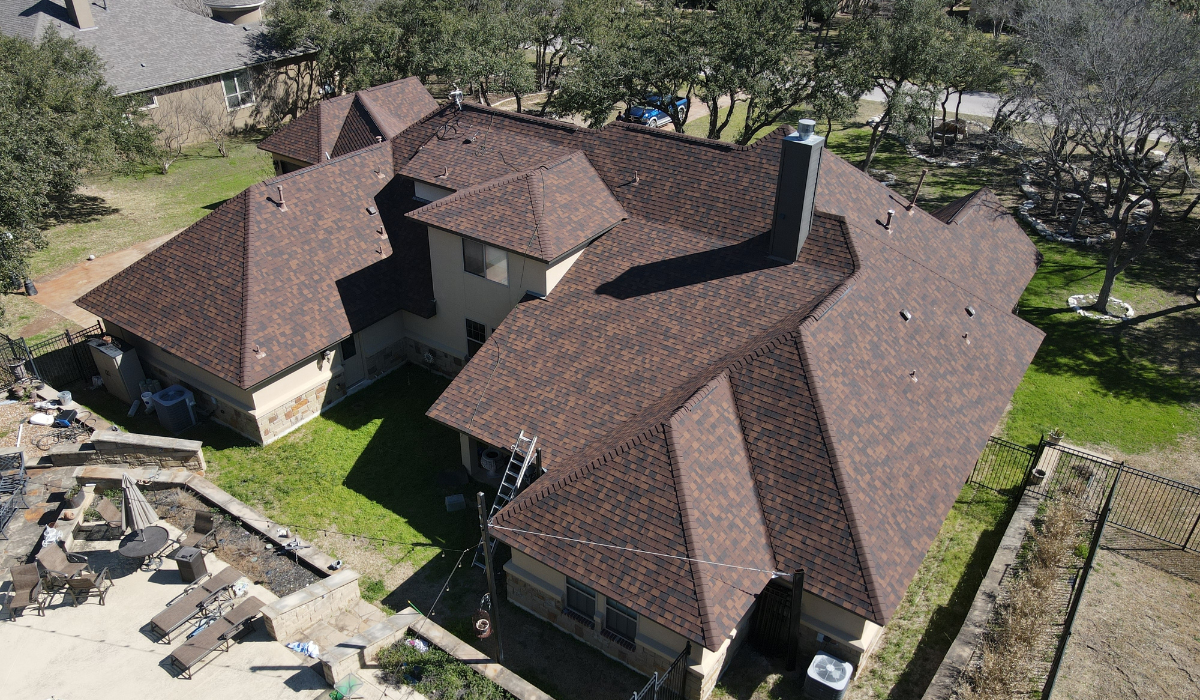
Certified Installation Methods and Trained Crews
Professional roofing requires more than tools and materials. It requires training, documentation, and consistency.
Certified installation methods ensure roofing systems meet manufacturer specifications and warranty requirements.
Benefits of Certified Installation
Stronger Warranty Protection
Professional roof installation ensures manufacturer guidelines are followed precisely, which is required to maintain warranty coverage.
Improper installation can void warranties entirely, leaving homeowners responsible for future repairs.
Certified installation protects both material and workmanship warranties, giving long-term financial protection.
Improved Resistance to Weather Damage
A properly installed roof is designed to withstand heavy rain, strong winds, and temperature fluctuations common in Georgia.
Correct fastening patterns, flashing installation, and underlayment placement prevent water intrusion and wind uplift.
This significantly reduces storm-related damage and emergency repairs.
Reduced Maintenance Needs
Quality installation minimizes common problems such as loose shingles, leaks, and premature wear.
When components are installed correctly from the start, the roof requires fewer repairs over time.
This lowers ongoing maintenance costs and reduces the risk of unexpected roofing issues.
Enhanced Energy Efficiency
Professional installation ensures proper ventilation, insulation alignment, and sealing throughout the roofing system.
This helps regulate attic temperatures and reduces heat transfer into living spaces.
As a result, homeowners often experience more consistent indoor comfort and lower energy bills.
Longer Roof Lifespan
A roof installed to professional standards performs as designed for its full expected lifespan.
Proper installation prevents early material failure caused by moisture buildup, poor airflow, or structural stress.
This allows homeowners to maximize their roofing investment and delay costly replacements.
Trained crews follow established procedures, ensuring every roof is installed correctly from start to finish.
Georgia Roofing Codes and Climate Considerations
Georgia’s climate includes heavy rain, high humidity, and severe storms, so roofing systems must be installed with materials and methods suited for these conditions.
Metal roofing performs exceptionally well in Georgia’s climate, providing enhanced moisture resistance and long-term protection.
Licensed contractors understand:
- Wind uplift and fastening requirements
- Proper drainage and slope considerations
- Ventilation standards to prevent moisture buildup
- Flashing requirements for chimneys and roof penetrations
Code compliance protects homeowners during inspections, insurance claims, and future resale.
Long-Term Benefits of Choosing a Licensed and Insured Roofer
Hiring a professional roofing contractor is an investment in your home’s future. Some of the benefits that homeowners can gain are as follows:
- Reduced repair costs through time
- Fewer warranty disputes
- Improved resale value
- Peace of mind during storms
- Confidence in installation quality
A professionally installed roof delivers consistent performance year after year.
Why Homeowners Trust Eagle Watch Roofing
Homeowners across Georgia trust Eagle Watch Roofing because standards are never compromised.
From inspections to installation, every detail reflects professionalism, accountability, and craftsmanship.
Trust is built through:
- Transparent estimates and documentation
- Code-compliant installation practices
- Licensed and insured project execution
- Clear communication throughout the project
Conclusion
Roofing is not an area where shortcuts belong.
Licensing, insurance, and quality installation are essential protections for your home, your investment, and your long-term peace of mind.
Choosing a contractor who meets these standards ensures your roof performs as intended, complies with local requirements, and stands the test of time.
Eagle Watch Roofing continues to raise the bar by delivering roofing solutions built on proven expertise, full compliance, and consistent quality workmanship.
From inspection to installation, every detail is handled with professionalism and care.
If you want confidence in your roof from start to finish, choose professionals who meet the highest standards.
👉 Schedule your roof inspection with Eagle Watch Roofing today and protect your home with licensed, insured, and quality-driven installation.
Frequently Asked Questions
Why is licensing important when hiring a roofing contractor?
Licensing confirms that a roofing contractor meets state and local requirements for skill, safety, and legal compliance. It shows the contractor understands current building codes and installation standards. Hiring a licensed roofer also gives homeowners accountability and protection if problems arise after the project is completed.
What risks do homeowners face when hiring an uninsured roofer?
An uninsured roofer can expose homeowners to serious financial liability. If a worker is injured or property is damaged during the project, the homeowner may be held responsible. Insurance coverage ensures accidents, damages, or post-installation issues are handled without legal or financial stress for the homeowner.
How does roof installation quality affect long-term performance?
Quality installation determines how well a roof resists leaks, wind damage, and moisture over time. Improper fastening, poor flashing, or incorrect ventilation can cause premature failure even with high-end materials. A professionally installed roof lasts longer, performs better, and requires fewer repairs.
Can poor roof installation void manufacturer warranties?
Yes, many roofing manufacturers require certified or professional installation for warranty coverage to remain valid. If a roof is installed incorrectly or by an unqualified contractor, warranty claims may be denied. Proper installation protects both your roof and the manufacturer-backed warranty.
Are roofing codes in Georgia different from other states?
Georgia roofing codes are designed for the region’s climate, including heavy rain, humidity, and storm-related wind risks. These codes address ventilation, drainage, fastening patterns, and moisture control. Licensed contractors understand and follow these requirements to ensure compliance and long-term durability.
How can homeowners verify a roofer’s license and insurance?
Reputable contractors provide proof of licensing and insurance upon request without hesitation. Homeowners can also verify credentials through state or local licensing authorities. Transparency in documentation is a strong indicator of professionalism and accountability.
Does professional roof installation increase home value?
A properly installed roof adds value by improving durability, energy efficiency, and buyer confidence. Documentation showing licensed installation and warranty coverage is attractive to future buyers. It also reduces inspection issues during resale.
Why does insurance matter even after the roofing project is finished?
Insurance coverage extends beyond installation through completed operations protection. This helps cover issues that may appear after the project, such as workmanship-related defects. It provides homeowners with added peace of mind long after the crew has left the property.
When should homeowners schedule a professional roof inspection?
Roof inspections are recommended after major storms, when a roof is aging, or before buying or selling a home. Early inspections help identify hidden issues before they become costly repairs. Regular evaluations also support insurance and warranty documentation.