


Common Questions About Roof Repair and Roof Insurance Claims
Roof damage can happen unexpectedly because of storms, hail, wind, falling branches, leaks, or aging roofing materials.
When damage occurs, many homeowners are left wondering whether they need repairs, if the damage is covered by insurance, and what steps they should take next.
Roof repair and roof insurance claims often go hand in hand.
In many cases, homeowners first notice a leak, missing shingles, or visible storm damage and then need to decide whether to contact a roofing contractor, insurance company, or both.
Understanding the roof repair process and how insurance claims work can help homeowners make informed decisions and avoid delays.
When Should a Homeowner Schedule Roof Repair?
Homeowners should schedule roof repair as soon as they notice signs of damage. Waiting too long can allow small roofing problems to become larger and more expensive.
Common signs that roof repair may be needed include:
- Missing, cracked, or curling shingles
- Water stains on ceilings or walls
- Roof leaks during rainstorms
- Sagging roof sections
- Damaged flashing around vents or chimneys
- Granules collecting in gutters
- Mold or mildew in the attic
- Higher energy bills caused by air leaks
Even minor roof damage can lead to moisture problems, wood rot, insulation damage, and mold growth if it is not repaired promptly.
Does Homeowners Insurance Cover Roof Repairs?
Homeowners insurance may cover roof repairs if the damage was caused by a covered event such as hail, wind, falling debris, or a severe storm.
Coverage depends on the details of the homeowner’s insurance policy and the cause of the damage.
Insurance may be more likely to cover:
- Hail damage
- Wind damage
- Storm-related leaks
- Damage from fallen tree limbs
- Sudden roof collapse from covered causes
- Damage caused by fire
However, insurance companies may not cover roof damage caused by normal aging, poor maintenance, neglect, or wear and tear.
What Should Homeowners Do After Storm Damage?
After a storm, homeowners should inspect their property for visible signs of roof damage.
Safety should come first, especially if there are downed power lines, large fallen branches, or structural concerns.
Signs of storm-related roof damage may include:
- Missing shingles
- Loose flashing
- Hail dents on gutters or vents
- Fallen branches on the roof
- Water leaks inside the home
- Damaged soffits or fascia
- Debris in gutters and downspouts
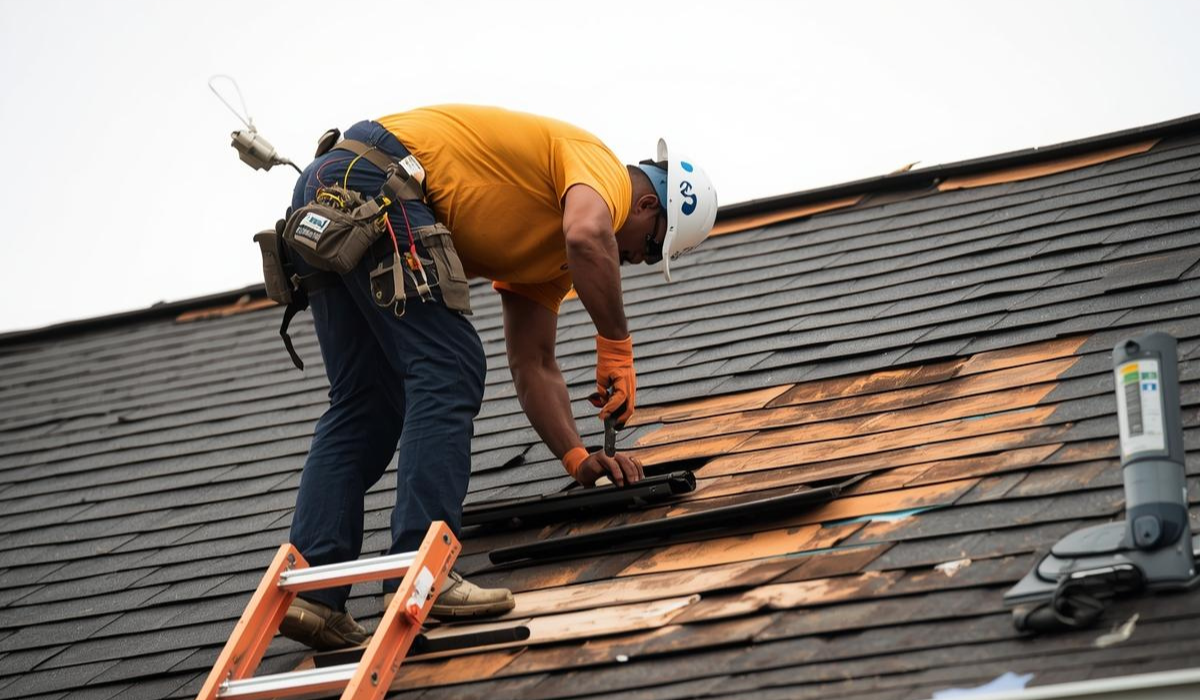
If damage is suspected, homeowners should contact a roofing contractor for an inspection.
A roofing professional can document the damage and determine whether an insurance claim may be necessary.
Why Professional Roof Inspections Matter for Insurance Claims
A professional roof inspection can help homeowners better understand the extent of roof damage and provide documentation that may be useful during the insurance claims process.
Roofing contractors often inspect:
- Shingles
- Flashing
- Roof decking
- Gutters and downspouts
- Attic moisture
- Ventilation systems
- Interior water stains
- Signs of structural damage
Detailed inspection reports, photos, and repair estimates can help homeowners communicate more effectively with their insurance company.
Can a Roof Leak Become an Insurance Claim?
A roof leak may qualify for an insurance claim if it was caused by a covered event such as storm damage, hail, or wind. For example, if a storm causes shingles to blow off the roof and water enters the home, the resulting leak may be covered.
However, leaks caused by age, neglected maintenance, or long-term wear may not qualify for insurance coverage.
Homeowners should avoid delaying repairs after a leak is discovered because additional water damage can worsen over time.
How Long Does the Roof Insurance Claims Process Take?
The timeline for a roof insurance claim depends on the severity of the damage, the insurance company, and how quickly inspections and paperwork are completed.
In many cases, the process may include:
- Roof inspection
- Filing the insurance claim
- Insurance adjuster inspection
- Claim review and approval
- Roof repair or replacement scheduling
Some claims may move quickly, while others may take longer if there is extensive damage or additional documentation is needed.
Learn More About Roof Repair and Roof Insurance Claims
Roof repair and roof insurance claims can feel overwhelming, especially after storm damage or unexpected leaks.
Understanding the process can help homeowners make better decisions and avoid unnecessary delays.
Eagle Watch Roofing helps homeowners identify roof damage, understand repair options, and determine whether insurance claims may be appropriate.
Professional inspections and clear documentation can make it easier to protect the home and move forward with needed repairs.
Frequently Asked Questions
What roof damage is most commonly covered by insurance?
Roof damage caused by hail, wind, fallen branches, and severe storms is commonly covered by homeowners insurance. Coverage depends on the policy details and the condition of the roof before the damage occurred.
Will insurance pay for an old roof?
Insurance may not fully cover an older roof if the damage is related to wear and tear or lack of maintenance. However, sudden storm-related damage to an older roof may still qualify for partial or full coverage.
Should I call a roofer or insurance company first?
Many homeowners contact a roofing contractor first so they can get a professional inspection and documentation of the damage. This information can help support the insurance claim process.
Can missing shingles lead to bigger roof problems?
Yes, missing shingles can expose the roof decking to moisture, which may lead to leaks, wood rot, mold growth, and interior water damage. Even a small area of missing shingles can allow rainwater to enter beneath the roofing materials and affect the attic or ceilings below. Prompt roof repair can help prevent more serious structural issues and costly repairs.
How do I know if I need roof repair or roof replacement?
A roofing contractor can inspect the condition of the roof and determine whether repairs are enough or if replacement may be more cost-effective. Factors may include roof age, extent of damage, and the condition of the roofing materials. Roof replacement may be recommended if the roof has widespread storm damage, repeated leaks, or extensive wear. Smaller areas of damage may only require targeted repairs if the rest of the roof is still in good condition.