


Spray Foam Insulation and Roof Repair FAQ Hub
Spray foam insulation and roof repair often go hand in hand because both systems affect energy efficiency, moisture control, and the overall condition of the home.
Roof leaks, damaged shingles, poor attic ventilation, and hidden moisture can all affect how well insulation performs.
Before spray foam insulation is installed, homeowners should make sure the roof is in good condition.
Addressing roof issues first can help protect the insulation investment and reduce the risk of future water damage.
Why Roof Condition Matters Before Insulation Installation
Roof damage can create hidden moisture problems inside the attic, walls, and roof decking.
If these issues are not repaired before spray foam insulation is installed, moisture may become trapped and lead to mold, mildew, wood rot, and insulation damage.
Common roof issues that should be repaired before insulation include:
- Roof leaks
- Missing shingles
- Cracked flashing
- Soft roof decking
- Sagging roof areas
- Water stains in the attic
- Damp insulation
- Poor attic ventilation
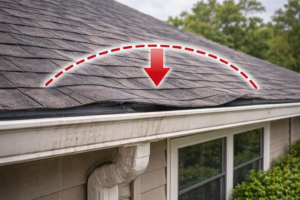
These roofing problems can allow outside air and moisture to enter the home, which may reduce energy efficiency and create long-term structural concerns.
Small issues that seem minor at first can become more serious once insulation is installed and access to the damaged areas becomes more limited.
Homeowners may also notice uneven indoor temperatures, musty odors, drafts, or rising utility bills when roof damage is affecting attic conditions.
Addressing roof concerns before insulation is added can help improve indoor comfort and reduce the risk of future repairs.
A professional roof inspection can help identify these problems before insulation is added.
Contractors can check for hidden leaks, damaged materials, ventilation concerns, and moisture buildup that may affect the long-term performance of both the roof and the insulation.
How Spray Foam Insulation Supports Roof Performance
Spray foam insulation can help improve energy efficiency and indoor comfort by sealing air leaks and reducing heat transfer.
It may also help reduce humidity and improve temperature control in attic spaces.
Potential benefits of spray foam insulation include:
- Lower heating and cooling costs
- Improved indoor comfort
- Better attic moisture control
- Reduced drafts
- More consistent indoor temperatures
- Less strain on HVAC systems
Although spray foam insulation can support roof performance, it cannot replace roof repair. Existing roof damage should still be addressed before insulation is installed.
Signs Your Roof May Need Repair Before Spray Foam Insulation
Homeowners should schedule a roof inspection before adding spray foam insulation. Small roof problems can become larger issues if they are hidden behind new insulation.
Signs roof repair may be needed include:
- Water stains on ceilings
- Damp insulation in the attic
- Missing or curling shingles
- Visible mold or mildew
- Drafts near attic spaces
- Sagging roof sections
- Rising energy bills
- Daylight visible through roof boards
Repairing these issues first can help create a dry and stable environment for insulation.
Why Attic Ventilation Matters
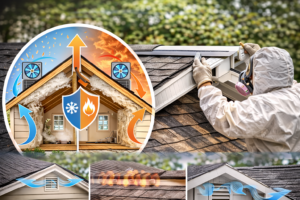
Attic ventilation is important because it helps control heat and moisture inside the home.
Poor ventilation can trap humidity in the attic and create conditions that damage both the roof and insulation.
Poor attic ventilation may contribute to:
- Excess attic heat
- Condensation
- Mold growth
- Wet insulation
- Wood rot
- Ice dams in colder weather
Without proper airflow, hot air and moisture can build up in the attic throughout the year.
During warmer months, trapped heat may increase indoor temperatures and force HVAC systems to work harder.
In colder months, moisture buildup can lead to condensation on roof decking, rafters, and insulation materials.
Over time, poor attic ventilation may shorten the lifespan of roofing materials and reduce the effectiveness of insulation.
Homeowners may notice musty odors, uneven temperatures, peeling paint, or higher utility bills when attic airflow problems are present.
Spray foam insulation works best when attic ventilation problems are corrected first.
A professional inspection can help identify blocked vents, damaged soffits, roof ventilation issues, and other conditions that may affect long-term performance.
Protecting Your Home with Roof Repair and Spray Foam Insulation
Roof repair and spray foam insulation both play an important role in protecting the home from moisture, air leaks, and rising energy costs.
Addressing roof issues before insulation is installed can help improve long-term performance and reduce the risk of future problems.
Eagle Watch Roofing helps homeowners inspect roof condition, evaluate attic moisture concerns, and determine whether repairs should be completed before spray foam insulation is added.
Professional inspections can help homeowners protect both the roof and the areas below it.
Frequently Asked Questions
Can spray foam insulation be installed if the roof has a leak?
Roof leaks should usually be repaired before spray foam insulation is installed. Existing leaks can trap moisture inside the attic or wall cavities, which may lead to mold growth, wood rot, and insulation damage. Even small leaks can create hidden problems over time if they are covered by new insulation.
Does spray foam insulation stop roof leaks?
Spray foam insulation can help reduce drafts and improve moisture control, but it does not repair roof leaks. Damaged shingles, flashing, roof decking, and other roofing materials still need to be repaired. Homeowners should view insulation as part of a larger strategy that includes proper roof maintenance.
Can damaged insulation affect roof performance?
Wet or damaged insulation can contribute to excess attic moisture, poor ventilation, mold growth, and higher energy costs. Over time, this may affect roof decking, wood framing, and other materials inside the attic. Damaged insulation can also make it harder to maintain comfortable indoor temperatures.
How do I know if my attic has moisture problems?
Common signs of attic moisture problems include mold, mildew odors, damp insulation, water stains, condensation, peeling paint, and poor indoor air quality. Some homeowners may also notice musty smells or rising energy bills. A professional inspection can help identify hidden moisture issues before they become worse.
Is spray foam insulation good for attics?
Spray foam insulation is commonly used in attics because it can help seal gaps, reduce air leaks, and improve energy efficiency. It may also help create more consistent indoor temperatures and reduce humidity levels. Spray foam is often installed in attics where drafts and moisture issues are common.
Can poor attic ventilation damage insulation?
Poor ventilation can trap heat and moisture inside the attic, which may reduce insulation performance and contribute to mold, mildew, and wood rot. Over time, excess humidity may also affect roof decking, drywall, and wood framing. Proper ventilation can help insulation last longer and perform more effectively.