


New Roof Installation Terms Every Homeowner Should Know
Understanding roofing terminology can help homeowners make better decisions when planning a new roof installation.
Many roofing estimates, inspections, and contractor recommendations include technical terms that may be unfamiliar.
This glossary explains some of the most common roofing terms homeowners may hear during a new roof installation project.
Common Roofing Terms
Asphalt Shingles
Asphalt shingles are one of the most common roofing materials used on residential homes.
They are affordable, durable, and available in a wide range of colors and styles.
Architectural Shingles
Architectural shingles are thicker than traditional three-tab shingles and provide a more dimensional appearance.
They are often more durable and can better withstand wind and weather.
Decking
Decking is the wooden surface underneath the roofing materials. Shingles, underlayment, and other roof components are installed directly on top of the decking.
If the decking becomes damaged by moisture or rot, it may need to be replaced before a new roof can be installed.
Drip Edge
Drip edge is a metal strip installed along the roof edges to help direct water away from the fascia and into the gutters. It helps protect the roof from water damage around the edges.
Fascia
Fascia is the horizontal board located along the lower edge of the roof. Gutters are usually attached to the fascia board.
Damaged fascia can lead to drainage issues and may need repair during a roofing project.
Flashing
Flashing is a thin metal material installed around roof features such as chimneys, skylights, vents, and valleys. Its purpose is to prevent water from entering vulnerable areas of the roof.
Gutter Apron
A gutter apron is a type of flashing installed under the edge of the roof and over the gutter. It helps direct rainwater into the gutter system and reduces the risk of water backing up behind the gutters.
Ice and Water Shield
Ice and water shield is a waterproof membrane placed beneath shingles in areas that are more likely to experience water buildup. It helps protect the roof deck from leaks.
Ridge Vent
A ridge vent is installed along the peak of the roof to improve attic ventilation. Proper ventilation helps reduce heat buildup, moisture problems, and premature roof wear.
Roof Pitch
Roof pitch refers to the steepness or slope of the roof. Roofs with steeper pitches may require different materials, installation methods, and safety precautions.
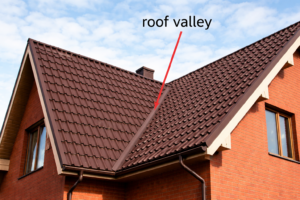
Roof Valley
A roof valley is the area where two roof slopes meet. Valleys collect and direct water runoff, making them one of the most important areas for waterproofing.
Starter Shingles
Starter shingles are installed along the roof edges before the main shingles are placed. They help improve wind resistance and create a more secure seal along the roof perimeter.
Underlayment
Underlayment is a protective barrier installed between the roof decking and the shingles. It helps prevent water intrusion if moisture gets beneath the roofing material.
Vent Pipe Boot
A vent pipe boot is a protective covering installed around plumbing vent pipes that extend through the roof. Damaged vent boots are a common source of roof leaks.
Three-Tab Shingles
Three-tab shingles are a traditional roofing material with a flat appearance. They are generally less expensive than architectural shingles but may have a shorter lifespan.
Why Roofing Terminology Matters
Understanding roofing terminology can help homeowners feel more informed and prepared when planning a roof replacement or repair project.
Roofing estimates often include technical terms that may be unfamiliar and knowing what these terms mean can make it easier to understand exactly what is being recommended.
When homeowners understand terms such as underlayment, flashing, decking, ridge vents, and drip edge, they are better able to compare proposals from different roofing contractors.
This can help prevent confusion about what is included in the estimate and whether important roofing components are missing.
Roofing terminology also plays an important role in understanding the long-term performance of the roof.
Different materials and components work together to protect the home from water damage, improve ventilation, and support energy efficiency.
Learning these terms can help homeowners ask more detailed questions about durability, maintenance, and warranty coverage.
During a roof installation project, contractors may discuss repairs to decking, damaged flashing, ventilation upgrades, or gutter improvements.
Homeowners who are familiar with these terms can make more confident decisions and have a clearer understanding of how each component affects the overall roof system.
Before signing a roofing agreement, homeowners should ask contractors to explain any unfamiliar terms and clarify how the recommended materials and installation methods will improve roof performance and protect the home over time.
Why Homeowners Should Understand Roofing Terms Before Installation
Learning common roofing terms before starting a roof replacement project can help homeowners feel more confident when speaking with contractors and reviewing estimates.
Roofing projects often involve several layers, materials, and installation methods that may not be obvious at first glance.
When homeowners understand how different roofing components work together, it becomes easier to ask informed questions about durability, water protection, ventilation, and overall roof performance.
This can also help homeowners compare different roofing proposals more accurately and determine whether certain materials or upgrades are worth considering.
Understanding roofing terminology can also reduce confusion during the installation process.
Contractors may discuss replacing damaged decking, upgrading underlayment, improving attic ventilation, or installing new flashing and drip edge.
Knowing what these terms mean can help homeowners understand the purpose of each recommendation and how it contributes to a stronger, longer-lasting roof.
A better understanding of roofing terms can also make it easier to review warranties, maintenance recommendations, and future repair needs.
Homeowners who are more familiar with roofing language are often better prepared to make decisions that protect their home and investment over time.
FAQs
What is the difference between underlayment and decking?
Decking is the wooden base layer that supports the entire roof system. It provides the foundation where roofing materials are installed. Underlayment is the protective barrier placed on top of the decking before shingles are applied. Its purpose is to help block moisture and provide an extra layer of leak protection.
Why is flashing important on a roof?
Flashing is installed around roof features such as chimneys, skylights, vents, and valleys where water is more likely to enter. It helps seal these vulnerable areas and directs water away from openings. Damaged or missing flashing can lead to leaks, moisture damage, and interior water stains.
What is the purpose of roof ventilation?
Roof ventilation helps regulate attic temperature and moisture levels throughout the year. Proper ventilation reduces heat buildup in the summer and helps prevent excess moisture during colder months. It can also improve energy efficiency and extend the lifespan of roofing materials.
Do gutters affect roof performance?
Gutters play an important role in directing rainwater away from the roof, siding, and foundation. When gutters become clogged, damaged, or detached, water may back up under shingles or overflow near the home. This can increase the risk of roof leaks, fascia damage, and drainage issues.
What roofing terms should I ask about in an estimate?
When reviewing a roofing estimate, homeowners should ask about terms such as underlayment, flashing, decking, shingles, ventilation, and warranties. It is also important to ask about gutter components, drip edges, and cleanup procedures. Understanding these terms can make it easier to compare roofing proposals and know exactly what is included.