


Common Questions About Gutter Services and Spray Foam Insulation
Gutter services and spray foam insulation may seem like separate home improvement projects, but both play an important role in protecting the home from moisture, water damage, and energy loss.
Gutters help direct rainwater away from the roof and foundation, while spray foam insulation helps seal air leaks and improve energy efficiency.
When gutters are damaged, clogged, or not draining properly, water can collect around the home and create moisture problems in the attic, walls, crawl space, and foundation.
These moisture issues can reduce the effectiveness of spray foam insulation and contribute to mold, mildew, and structural damage.
Understanding how these systems work together can help homeowners make better decisions about repairs, upgrades, and long-term home protection.
Why Gutters and Spray Foam Insulation Matter Together
Gutters protect the exterior of the home by directing rainwater away from the roof, siding, and foundation.
Spray foam insulation helps protect the interior by reducing drafts, controlling moisture, and improving indoor comfort.
When one system is not performing properly, it can affect the other. For example, overflowing gutters may allow water to enter attic spaces or crawl spaces where insulation is installed.
Likewise, poor insulation can allow excess moisture and humidity to build up inside the home.
Addressing both systems together can help improve:
- Moisture control
- Energy efficiency
- Indoor comfort
- Roof protection
- Foundation protection
- Indoor air quality
- Long-term home performance
Signs You May Need Gutter Service Before Adding Insulation
Before spray foam insulation is installed, homeowners should make sure the gutter system is in good condition.
Water problems caused by damaged gutters can affect the performance of insulation and create moisture-related issues inside the home.
Common signs that gutter service may be needed include:
- Gutters overflowing during rain
- Water stains on siding
- Pooling water near the foundation
- Sagging gutters
- Loose downspouts
- Visible rust or holes
- Mold or mildew in attic spaces
- Damp crawl spaces or basements
These issues may indicate that rainwater is not being directed away from the home properly.
Overflowing gutters and poor drainage can allow moisture to collect near the roofline, attic, walls, foundation, or crawl space.
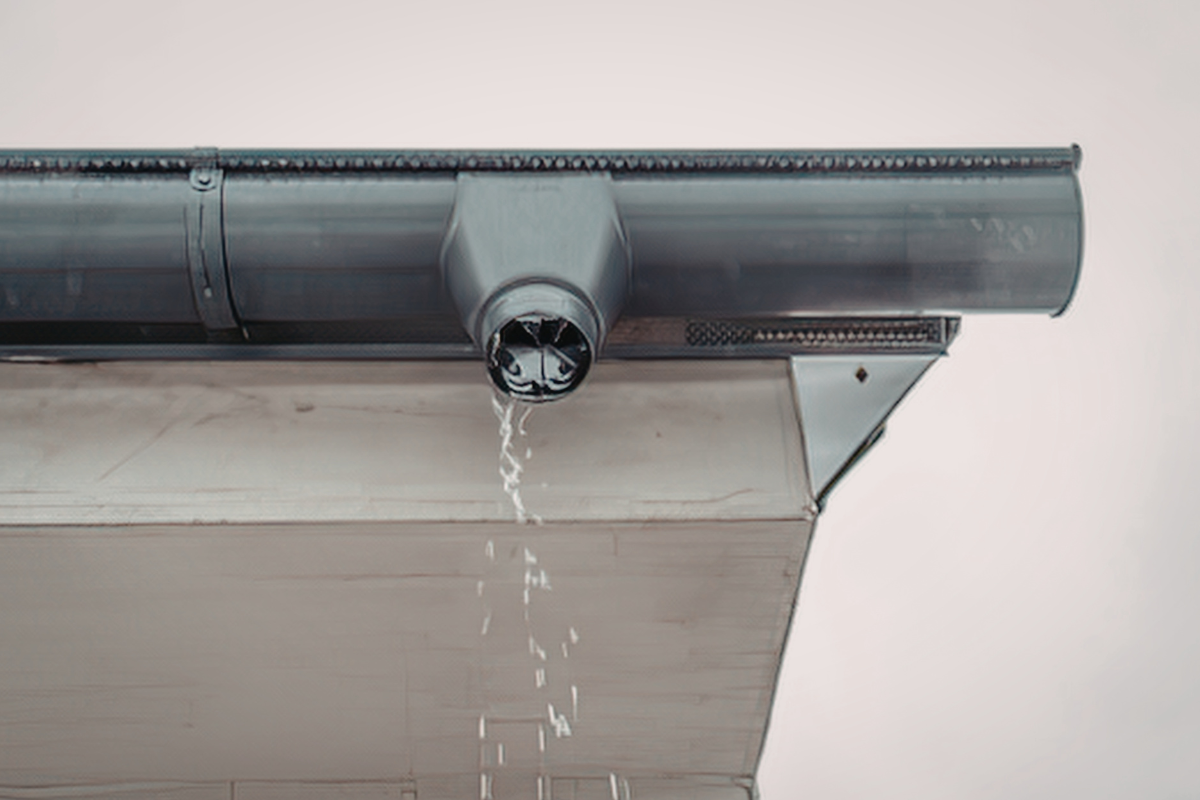
If spray foam insulation is installed before these problems are addressed, moisture may continue to enter the home and reduce insulation performance.
Wet or damp areas can also increase the risk of mold growth, wood rot, and damage to roofing materials.
Fixing these issues first can help create a drier environment for spray foam insulation.
A professional gutter inspection can help homeowners identify drainage problems and determine whether repairs, cleaning, or gutter replacement may be needed before insulation work begins.
Why Homeowners Often Upgrade Both Systems Together
Many homeowners choose to improve gutters and insulation at the same time because both systems affect moisture control and energy efficiency.
When gutter problems are repaired first, spray foam insulation may be more effective because it is being installed in a drier environment.
This can help reduce the risk of future moisture damage, mold growth, and insulation problems.
Upgrading both systems together may also help homeowners:
- Reduce energy bills
- Improve indoor comfort
- Protect the roof and foundation
- Lower maintenance needs
- Improve long-term home value
Learn More About Gutter Services and Spray Foam Insulation
Gutter services and spray foam insulation both help protect the home from water damage, air leaks, and moisture problems.
When these systems work together, they can improve comfort, energy efficiency, and long-term home protection.
Eagle Watch Roofing helps homeowners evaluate gutter performance, attic moisture, crawl space conditions, and insulation concerns.
Professional inspections can help determine whether gutter repairs or upgrades should be completed before spray foam insulation is installed.
Frequently Asked Questions
Can clogged gutters affect spray foam insulation?
Yes, clogged gutters can allow water to overflow and enter the attic, crawl space, or walls where insulation is installed. Excess moisture can reduce insulation performance and contribute to mold, mildew, and wood rot. Over time, water intrusion can also damage roof decking, drywall, and other building materials. Keeping gutters clear can help protect both the insulation and the overall structure of the home.
Should gutters be repaired before adding spray foam insulation?
In many cases, yes, damaged gutters can allow water to collect around the home and create moisture issues inside the attic or crawl space. Repairing gutters before insulation is installed can help protect the investment and improve long-term performance. A dry, properly drained home provides a better environment for spray foam insulation to work effectively.
Can spray foam insulation fix moisture problems caused by gutters?
No, spray foam insulation can help reduce air leaks and humidity, but it cannot fix drainage problems caused by clogged, damaged, or poorly installed gutters. Gutter issues should be corrected first. If water continues to enter the home because of gutter problems, insulation performance may decline and moisture damage may continue to spread.
What areas of the home are most affected by poor gutters?
Poor gutters can affect the roofline, siding, attic, foundation, basement, and crawl space. Water that is not directed away from the home can create moisture problems in many different areas. Over time, these issues may lead to mold growth, wood rot, foundation cracks, and interior water damage. Poor drainage can also affect landscaping and create standing water around the home.
How often should gutters be cleaned?
Most homes should have gutters cleaned at least twice a year. Homes with large trees nearby may need more frequent cleaning to prevent clogs and overflow. Regular gutter cleaning helps improve water flow, reduce debris buildup, and protect the roof and foundation from moisture damage. Seasonal inspections can also help identify sagging gutters, loose downspouts, or other repair needs.
Can poor drainage reduce energy efficiency?
Yes, moisture problems caused by poor drainage can affect insulation performance and indoor comfort. Damp insulation may not work as effectively, which can increase heating and cooling costs. Moisture may also create higher indoor humidity levels, making it harder to maintain consistent temperatures throughout the home. Addressing drainage problems can help improve efficiency and reduce strain on HVAC systems.
Are gutter guards helpful for homes with spray foam insulation?
Gutter guards can help reduce debris buildup and improve water flow. This can lower the risk of water overflow that may affect attic spaces, crawl spaces, and insulation. Gutter guards may also reduce the need for frequent gutter cleaning, especially for homes with nearby trees. While they do not eliminate maintenance completely, they can help support better long-term gutter performance.