


Eagle Watch Roofing Highlights the Connection Between Spray Foam Insulation and Roof Repair
Eagle Watch Roofing is helping homeowners better understand the connection between spray foam insulation and roof repair.
Many roof problems begin with hidden moisture, poor ventilation, air leaks, and insulation issues inside the attic.
When these problems are not addressed, they can contribute to roof damage, higher energy costs, and long-term structural concerns.
As more homeowners look for ways to improve energy efficiency and reduce heating and cooling costs, spray foam insulation is becoming a more popular option.
However, before spray foam insulation is installed, it is important to make sure the roof is in good condition. Roof leaks, damaged decking, missing shingles, and ventilation problems can all affect insulation performance.
Why Roof Condition Matters Before Spray Foam Insulation
Spray foam insulation works by sealing gaps, cracks, and air leaks.
It helps create a more controlled indoor environment by reducing heat transfer and limiting moisture movement.
However, if the roof has existing damage, spray foam insulation may not solve the underlying issue.
Water can still enter through roof leaks, damaged flashing, missing shingles, or compromised roof decking.
Common roof issues that should be repaired before spray foam insulation include:
- Roof leaks
- Damaged or missing shingles
- Cracked flashing
- Soft or rotting roof decking
- Ventilation problems
- Water stains in the attic
- Mold or mildew growth
- Sagging roof sections
Addressing these problems before adding insulation helps protect both the roof system and the insulation investment.
How Spray Foam Insulation Supports Roof Performance
When installed correctly, spray foam insulation can support overall roof performance by helping regulate attic temperatures and reduce moisture buildup.
Benefits of spray foam insulation include:
- Improved energy efficiency
- Reduced air leaks
- Better indoor comfort
- Lower heating and cooling costs
- Improved attic moisture control
- Less strain on HVAC systems
- Better temperature consistency throughout the home
Spray foam insulation can also help reduce the risk of condensation in attic spaces.
Condensation can contribute to mold growth, wood rot, and damage to roof decking if left untreated.
Signs You May Need Roof Repair Before Insulation Installation
Homeowners planning to install spray foam insulation should schedule a roof inspection first.
Even small roofing issues can become larger problems if they are covered up or ignored.
Signs that roof repair may be needed include:
- Water stains on ceilings or attic walls
- Missing, cracked, or curling shingles
- Damp insulation in the attic
- Visible mold or mildew
- Drafts near attic spaces
- Sagging roof areas
- Increased energy bills
- Daylight visible through the attic
A roof inspection can identify hidden issues before insulation is installed. This helps ensure the attic is dry, stable, and ready for improved insulation.
The Relationship Between Attic Ventilation and Spray Foam Insulation
Attic ventilation is an important part of roof performance.
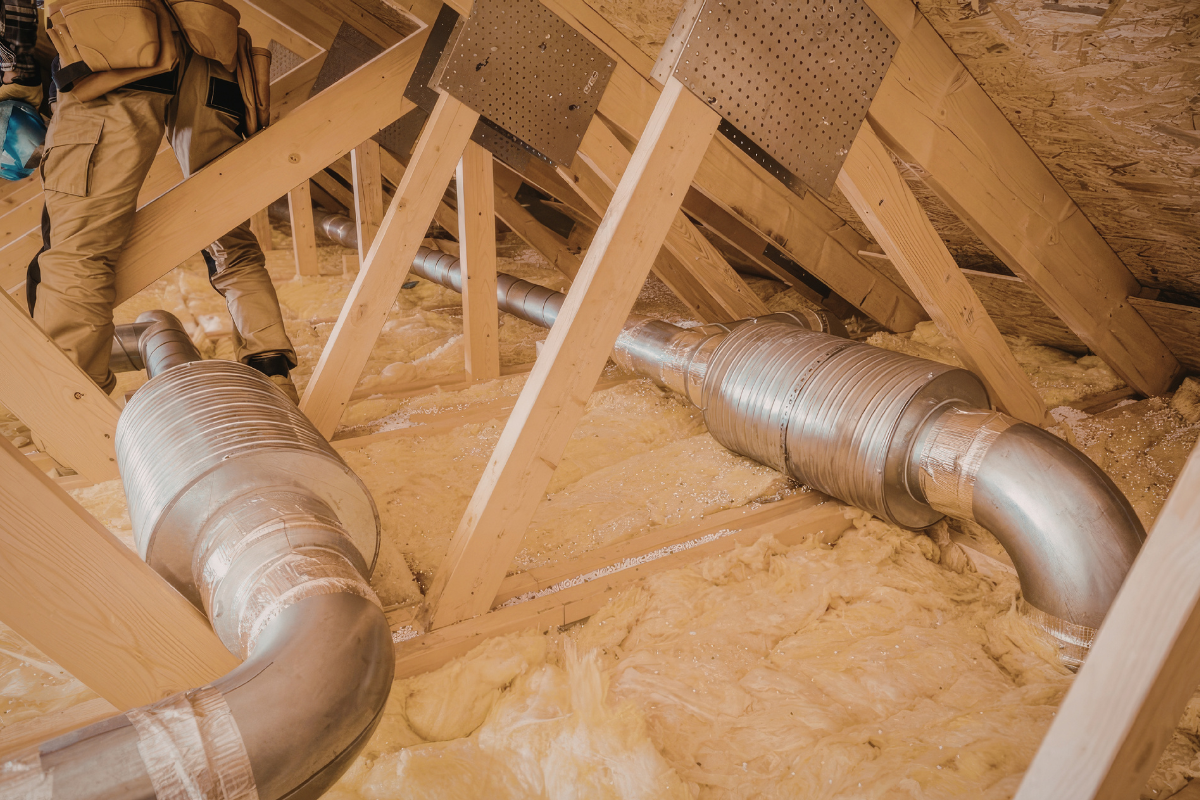
Without proper airflow, heat and moisture can build up inside the attic and create problems for both the roof and insulation.
Poor attic ventilation can contribute to:
- Excess attic heat
- Mold growth
- Moisture damage
- Shortened roof lifespan
- Ice dams in colder weather
- Reduced insulation performance
Spray foam insulation can help reduce air leakage, but it should be installed as part of a larger plan that also addresses roof ventilation and attic airflow.
Why Homeowners Are Combining Roof Repair and Spray Foam Insulation
Many homeowners choose to combine roof repair and spray foam insulation as part of one larger home improvement project.
This approach can make sense because both systems affect energy efficiency, moisture control, and long-term home protection.
Repairing the roof first helps prevent future leaks and water intrusion. Adding spray foam insulation afterward can improve indoor comfort and reduce energy loss.
This combination may be especially helpful for homeowners who are dealing with:
- Older roofs
- Drafty attic spaces
- High utility bills
- Indoor humidity problems
- Uneven temperatures throughout the home
- Water damage near the roofline
By addressing both roofing and insulation together, homeowners can often create a more comfortable and efficient living environment.
What Homeowners Can Expect During a Roof and Insulation Evaluation
A professional evaluation typically includes an inspection of the roof, attic, insulation, ventilation, and signs of moisture damage.
This process helps contractors identify existing roofing issues that could affect the performance of spray foam insulation.
During the evaluation, contractors may inspect both the interior and exterior areas of the home to get a complete understanding of roof condition and attic performance. They may look for:
- Roof leaks and damaged shingles
- Soft roof decking
- Damaged flashing around vents and chimneys
- Signs of attic condensation
- Existing insulation performance
- Air leaks and drafts
- Ventilation concerns
- Mold, mildew, or wood rot
Contractors may also check for uneven attic temperatures, signs of water intrusion around roof penetrations, clogged soffit vents, and areas where conditioned air is escaping from the living space below.
These findings can help determine whether the attic is properly sealed and ventilated.
This inspection helps determine whether roof repairs should be completed before spray foam insulation is installed.
By addressing roof damage, moisture issues, and ventilation concerns first, homeowners can improve the long-term performance of both the roof and insulation system.
Learn More About Roof Repair and Spray Foam Insulation
Roof repair and spray foam insulation both play an important role in protecting a home from moisture, air leaks, and rising energy costs.
By addressing roof issues before installing insulation, homeowners can help improve long-term performance and avoid future problems.
Eagle Watch Roofing helps homeowners evaluate roof condition, attic moisture concerns, and related repair needs before larger insulation upgrades are completed.
A professional inspection can help determine the best next steps for protecting the roof and improving overall home efficiency.
Frequently Asked Questions
Can spray foam insulation be installed if the roof is leaking?
It is usually best to repair roof leaks before installing spray foam insulation. Existing leaks can allow moisture to become trapped inside the attic or wall cavities, which may lead to mold growth, wood rot, and insulation damage over time.
Does spray foam insulation help prevent roof damage?
Spray foam insulation can help reduce attic moisture, air leaks, and temperature fluctuations that may contribute to roof problems. However, it does not replace the need for roof repairs, proper ventilation, or routine maintenance.
How do I know if my roof needs repair before insulation?
Signs of roof damage may include water stains, missing shingles, damp attic insulation, sagging roof areas, or visible daylight in the attic. A professional roof inspection can identify problems that should be fixed before insulation is installed.
Can poor attic ventilation damage insulation?
Yes, poor attic ventilation can allow heat and moisture to build up, which may reduce insulation performance and contribute to mold, mildew, and wood rot. Excess moisture can also cause insulation materials to become damp, reducing their effectiveness over time. In some cases, poor airflow may lead to higher indoor humidity, roof decking damage, and increased energy costs throughout the home.
Is spray foam insulation good for attics?
Spray foam insulation is commonly used in attics because it can seal gaps, improve energy efficiency, and help reduce air leaks. It may also help create more consistent indoor temperatures throughout the home. In addition, spray foam insulation can help control moisture, reduce drafts, and lessen the strain on heating and cooling systems. Many homeowners choose spray foam for attics because it can improve comfort while lowering monthly energy costs.