


Roof Installation Process: What Veterans Can Expect from Start to Finish
The roof installation process for veterans should be clear, structured, and free from surprises.
Veterans deserve transparency, disciplined execution, and honest communication when protecting their homes.
Understanding each phase of a roof replacement, from inspection to final cleanup helps veterans make confident decisions and avoid unnecessary stress.
This guide explains what to expect during roof installation, outlines the full new roof installation steps, and highlights why working with veteran-focused roofing professionals makes a difference.
Why Roof Installation Is Different for Veterans
Veterans often value reliability, accountability, and follow-through qualities that should define a professional roofing project.
Roofing is not just about materials and labor; it is about trust, communication, and executing a plan exactly as promised.
These expectations set veteran-focused roofing services apart from standard, one-size-fits-all approaches.
What Sets Veteran-Focused Roof Installation Apart
As opposed to generic roofing services, roof installation for veterans emphasizes:
- Clear timelines and well-defined expectations from the start
- Transparent estimates with clearly outlined scopes of work
- Respect for property, family routines, and daily schedules
- Knowledge of veteran roofing benefits and insurance processes
This structured approach aligns closely with military values and ensures veterans receive dependable, long-term protection for their homes.
Initial Roof Inspection and Consultation
Every roof replacement begins with a detailed inspection.
During this phase, contractors assess shingle wear, storm damage, flashing conditions, ventilation, and potential structural concerns.
Veterans should expect visual documentation, clear explanations, and an honest assessment of repair versus replacement needs.
This consultation sets the foundation for the entire roof replacement process explained and ensures no assumptions are made before planning begins.
Roof Material Selection and Project Planning
After inspection, the focus shifts to selecting materials and planning the installation.
Common roofing options include architectural asphalt shingles, impact-resistant systems, and metal roofing.
Each option is reviewed based on durability, climate performance, and long-term value.
Veterans should receive guidance that balances performance with budget, along with a clearly defined residential roof installation timeline so expectations remain aligned throughout the project.
Estimates, Insurance, and Veteran Assistance Options
A professional roofing estimate outlines labor, materials, tear-off, disposal, underlayment, ventilation, and warranties.
Veterans dealing with storm damage may also explore insurance claims during this stage.
While VA roof assistance programs are limited, experienced contractors understand how to navigate documentation and explain available veteran roofing benefits without making unrealistic promises.
Scheduling, Permits, and Pre-Installation Preparation
Before installation begins, contractors manage permits, schedule crews, and coordinate material delivery.
Veterans receive preparation guidance such as moving vehicles, protecting outdoor items, and planning for temporary noise.
Clear communication during this stage helps veterans understand exactly what to expect during roof installation before work begins.
Roof Tear-Off and Deck Inspection
Installation day starts with removing the existing roof system.
This allows crews to inspect the decking beneath for rot, moisture damage, or structural issues.
Any hidden problems are documented and discussed before repairs are made.
This step ensures the new roof is installed on a solid foundation, preventing future issues and extending system lifespan.
Underlayment, Flashing, and Weather Protection
Protective layers play a major role in roof performance. Underlayment, ice and water barriers, and flashing protect vulnerable areas such as valleys, chimneys, and vents.
These components are essential for long-term leak prevention and are a key focus of high-quality military veteran roofing services.
New Roof Installation
Once protective layers are in place, the new roofing system is installed according to manufacturer specifications.
This includes proper fastening, ventilation integration, and ridge detailing.
Most residential installations are completed within one to two days, depending on roof size and complexity. Quality checks are performed throughout the process.
Cleanup, Final Inspection, and Walkthrough
Professional roof installation ends with thorough cleanup, including debris removal and magnetic nail sweeps.
A final inspection and walkthrough allow veterans to review workmanship and confirm the project meets expectations.
This step reinforces trust and ensures accountability before the job is officially completed.
Warranties, Maintenance, and Long-Term Care
Veterans receive documentation outlining manufacturer material warranties and contractor workmanship coverage.
Routine inspections and basic maintenance help preserve warranty protection and maximize roof lifespan.
Knowing when to inspect and maintain the roof prevents small issues from becoming costly repairs.
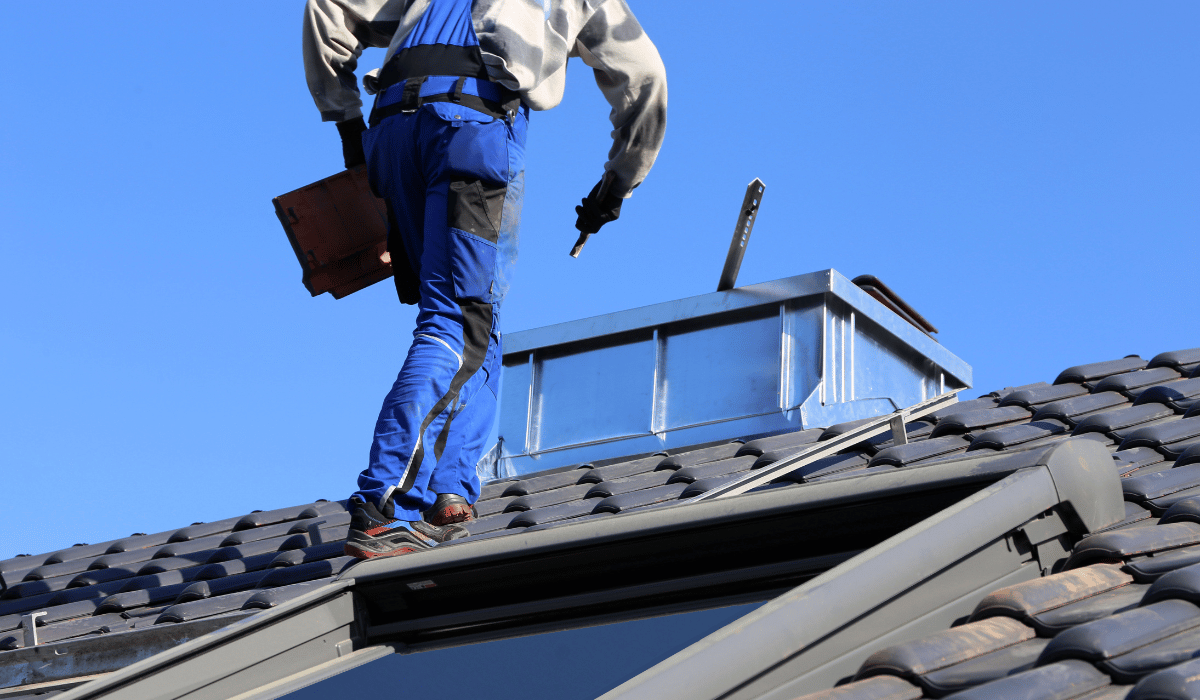
Accountability and Transparency Throughout the Installation Process
Accountability is a core value in military service and remains central in roofing businesses.
Homeowners are more likely to receive honest assessments, clearly defined scopes of work, and straightforward communication throughout the project.
This transparency builds trust and helps homeowners understand not just what work is being performed, but why it matters for the long-term protection of their home.
Experience Handling Complex Roofing and Insurance Situations
Veteran roofing contractors often bring experience in managing high-pressure situations, which proves valuable during complex roof installations or insurance-related projects.
When unexpected issues arise, such as hidden decking damage or storm-related claims, these contractors take a calm, methodical approach.
They document findings, explain options clearly, and guide homeowners through the decision-making process without unnecessary stress.
Common Roof Installation Mistakes Veterans Should Avoid
One of the most common mistakes homeowners make is choosing the lowest roofing estimate without fully reviewing the scope of work.
While a lower price may seem appealing upfront, it often excludes critical components such as proper underlayment, flashing replacement, ventilation improvements, or thorough cleanup.
These omissions can lead to premature roof failure, leaks, and costly repairs down the line. Veterans should always compare estimates based on what is included, not just the final number.
Another frequent issue is skipping necessary ventilation upgrades.
Proper attic ventilation plays a major role in roof performance, energy efficiency, and shingle lifespan.
Inadequate ventilation can trap heat and moisture, leading to warped decking, mold growth, and voided manufacturer warranties.
A professional contractor should assess ventilation as part of the installation process and explain whether upgrades are needed to meet current standards.
Failing to confirm warranty coverage is another avoidable mistake.
Some homeowners assume warranties are automatic, only to discover later that coverage is limited or invalid due to improper installation.
Veterans should request written documentation outlining both manufacturer material warranties and contractor workmanship warranties, including coverage duration and maintenance requirements.
Lastly, working with contractors who prioritize speed or cost-cutting over communication can create unnecessary stress and long-term issues.
Veterans benefit most from roofing professionals who provide clear explanations, document each step of the process, and address concerns proactively.
A disciplined, transparent approach ensures the roof is installed correctly the first time and delivers dependable protection for years to come.
Conclusion
A roof installation is a major investment, and understanding the process makes all the difference.
From the initial inspection to the final walkthrough, a structured and transparent approach ensures your home is protected with quality materials and professional workmanship.
For veterans, working with a contractor who values accountability, clear communication, and follow-through provides peace of mind long after the project is complete.
When the process is done right, your roof becomes more than just a structure and it becomes reliable protection you can count on for years to come.
Confidence Starts with the Right Roofing Partner
At Eagle Watch Roofing, we proudly serve veterans and homeowners with integrity, precision, and dependable service.
Our team is committed to clear communication, disciplined installation practices, and long-term roofing solutions tailored to your needs.
Schedule your roof inspection with our professionals today and experience a roofing process built on trust and reliability.
Frequently Asked Questions
How long does the roof installation process take for veterans?
Most residential roof installations are completed within one to two days. Larger homes, complex roof designs, or unexpected decking repairs can extend the timeline slightly. Veterans are typically given a clear schedule before work begins so expectations are set upfront.
What should veterans expect during a roof installation?
Veterans can expect structured scheduling, clear communication, and professional jobsite management. The process includes tear-off, inspection, installation, and cleanup, with updates provided throughout. Noise and activity are normal, but crews work efficiently to minimize disruption.
Can veterans receive assistance or discounts for roof installation?
Some roofing companies offer veteran-specific pricing or work with insurance claims when storm damage is involved. While VA roof assistance programs are limited, contractors familiar with veteran roofing benefits can help review available options and documentation.
Will insurance cover a new roof for veterans?
Insurance may cover roof replacement if damage is caused by hail, wind, or other covered events. Coverage depends on policy terms, roof age, and inspection results. A professional inspection helps determine whether an insurance claim is justified.
Do veterans need to be home during roof installation?
Veterans do not need to remain home during the entire installation. However, being available by phone is recommended in case questions arise. A final walkthrough is usually scheduled once the project is complete.
How do veterans know the roof was installed correctly?
A proper installation includes a final inspection, cleanup, and a homeowner walkthrough. Veterans should receive warranty paperwork and confirmation that installation meets manufacturer and local code requirements.
What warranties come with a new roof installation?
Most new roofs include a manufacturer’s material warranty and a contractor workmanship warranty. Veterans should receive written documentation explaining coverage terms, duration, and maintenance requirements to keep warranties valid.
How often should veterans inspect their roof after installation?
Annual roof inspections are recommended, along with checks after major storms. Routine inspections help catch small issues early and protect the long-term performance of the roofing system.
Why is it important for veterans to choose a veteran-friendly roofing contractor?
Veteran-friendly contractors understand the importance of transparency, accountability, and follow-through. They communicate clearly, respect the home, and follow a disciplined installation process that aligns with veterans’ expectations.