


Why Spray Foam Insulation is the Best Choice for Energy Savings
Energy efficiency has become a central focus for homeowners and builders aiming to reduce utility costs and create comfortable living spaces. One of the most effective ways to achieve this goal is through spray foam insulation. Unlike traditional insulation materials, spray foam offers superior thermal performance, air-sealing capabilities, and long-term durability. In this article, we’ll explore why spray foam insulation is considered the best choice for energy savings and how it can benefit your home or building.
What is Spray Foam Insulation?
Spray foam insulation is a versatile material made by combining two chemical components, typically isocyanate and polyol resin. When these components mix, they expand rapidly into a foam that adheres to surfaces, filling gaps, cracks, and cavities. This expansion creates a continuous barrier that prevents heat transfer and air leakage, making it a highly efficient insulation solution.
Unlike traditional insulation materials like fiberglass or cellulose, which often leave small gaps and require precise fitting, spray foam conforms to irregular surfaces, ensuring a tight seal. This property is key to reducing energy consumption, as it minimizes heat loss in the winter and heat gain in the summer.
Types of Spray Foam Insulation Services
spray foam insulation services are available in two main types: open-cell and closed-cell, each with unique properties and applications.
Open-Cell Spray Foam
Open-cell spray foam has a lower density and a spongy texture. Its cells are partially open, allowing some air to pass through, which makes it ideal for interior spaces where soundproofing is desired. Open-cell foam is commonly used in walls, ceilings, and attics. While it has excellent thermal insulation properties, it has a lower R-value per inch than closed-cell foam.
Closed-Cell Spray Foam
Closed-cell spray foam is denser and more rigid. Its cells are fully closed, making it an excellent barrier against both air and moisture. This type of insulation provides higher R-values per inch, making it particularly effective in areas exposed to extreme temperatures or moisture, such as basements, crawl spaces, and roofs. Closed-cell foam also adds structural strength to walls and roofs.
Key Benefits of Spray Foam Insulation
1. Exceptional Energy Efficiency
One of the most significant advantages of spray foam insulation is its ability to reduce energy consumption. By creating an airtight seal, spray foam prevents conditioned air from escaping and stops outside air from entering. This reduces the workload on heating and cooling systems, ultimately lowering energy bills. Many homeowners report savings of up to 20–50% on heating and cooling costs after installing spray foam insulation.
2. Superior Air and Moisture Barrier
Unlike fiberglass or cellulose insulation, spray foam acts as both an insulator and an air barrier. This dual function helps maintain consistent indoor temperatures while preventing moisture infiltration. By reducing humidity levels and controlling condensation, spray foam insulation protects your home from mold growth, wood rot, and structural damage.
3. Enhanced Comfort and Indoor Air Quality
Spray foam insulation improves indoor comfort by eliminating drafts and cold spots. It also reduces the infiltration of outdoor pollutants, allergens, and dust, contributing to better indoor air quality. Families with asthma or allergies may find significant relief with properly installed spray foam insulation.
4. Noise Reduction
Open-cell spray foam insulation is particularly effective at dampening sound. It absorbs sound waves and reduces noise transmission between rooms or from outside. This makes it an excellent choice for homes near busy roads, airports, or other noisy environments.
5. Long-Term Durability
Spray foam insulation is highly durable and can last for decades without losing its insulating properties. Unlike other materials that can settle, sag, or degrade over time, spray foam maintains its shape and performance, ensuring consistent energy savings over the years.
Applications of Spray Foam Insulation
Spray foam insulation is versatile and can be used in various areas of a home or commercial building. Common applications include:
- Attics and Roofs: Reduces heat gain in the summer and heat loss in the winter while preventing ice dam formation.
- Walls and Ceilings: Provides airtight insulation and enhances structural strength.
- Basements and Crawl Spaces: Acts as a moisture barrier to prevent mold and dampness.
- Commercial Buildings: Ideal for warehouses, offices, and other spaces where energy efficiency is critical.
Considerations Before Installing Spray Foam Insulation
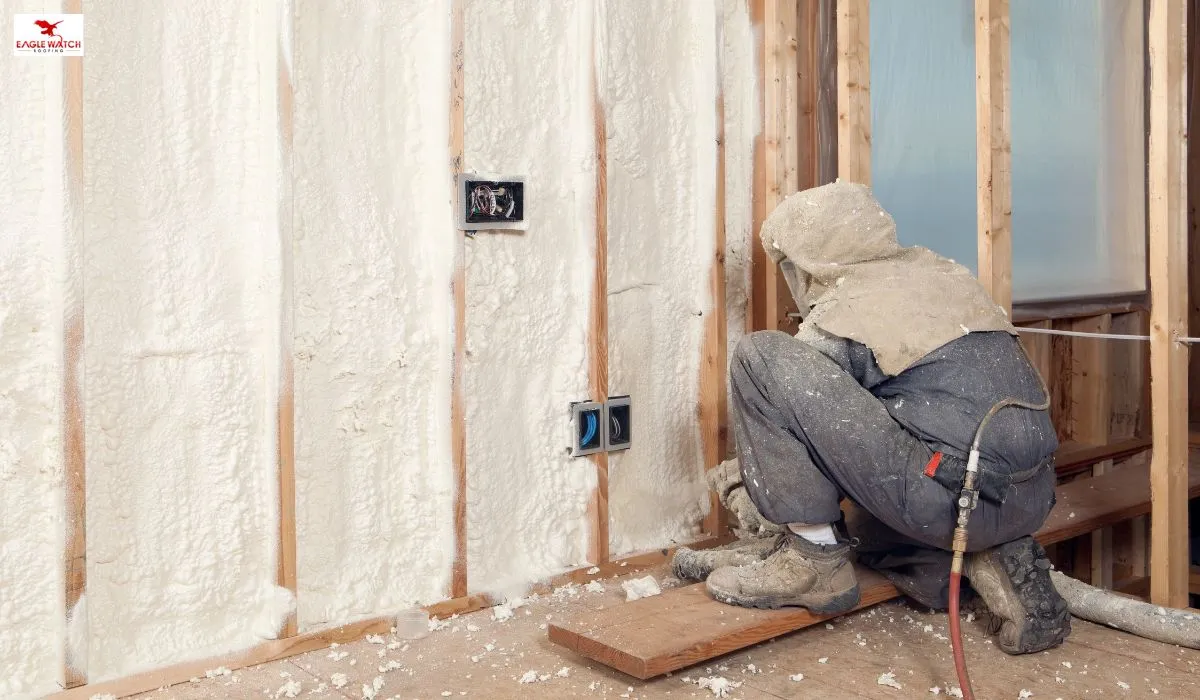
While spray foam insulation services offers numerous benefits, it’s essential to consider a few factors before installation:
- Cost: Spray foam insulation is generally more expensive than traditional insulation materials. However, the long-term energy savings and improved comfort often offset the initial investment.
- Professional Installation: Proper installation requires expertise and specialized equipment. DIY kits are available, but professional installation ensures safety and optimal performance.
- Environmental Impact: Some spray foam products contain chemicals with high global warming potential. Choosing low-VOC or eco-friendly options can minimize environmental impact.
- Safety Precautions: During installation, proper protective gear is necessary to prevent exposure to chemical fumes.
DIY vs. Professional Installation
DIY spray foam kits are available for small projects, but professional installation is recommended for most applications. Professionals have the training and equipment to ensure uniform coverage, correct thickness, and safe handling of chemicals. Proper installation is crucial for achieving maximum energy savings and avoiding issues such as over-expansion or improper sealing.
Maintenance and Longevity
Spray foam insulation requires minimal maintenance. Unlike fiberglass or cellulose, it doesn’t settle, compress, or lose effectiveness over time. Routine inspections are recommended, especially in areas exposed to moisture, to ensure the foam remains intact and maintains a proper seal. With proper installation and care, spray foam insulation can last the lifetime of your home.
Conclusion
Spray foam insulation is a superior choice for homeowners and builders seeking energy efficiency, comfort, and long-term durability. Its ability to create an airtight seal, reduce heat transfer, control moisture, and improve indoor air quality sets it apart from traditional insulation materials. While the upfront cost may be higher, the long-term benefits—including lower energy bills, enhanced comfort, and increased property value—make spray foam insulation a smart investment.
For anyone looking to maximize energy savings and create a more sustainable home, spray foam insulation is undeniably one of the best solutions available today.
FAQs
What is spray foam insulation, and how does it work?
Spray foam insulation is a material made from two chemical components—typically isocyanate and polyol resin—that react to form a foam. When applied, it expands and fills gaps, cracks, and cavities, creating an airtight barrier that reduces heat transfer and improves energy efficiency.
What are the types of spray foam insulation?
There are two main types:
- Open-cell spray foam: Lower density, ideal for interior spaces, provides soundproofing, and moderate insulation.
- Closed-cell spray foam: Higher density, acts as both an air and moisture barrier, provides higher R-value, and adds structural strength.
How does spray foam insulation save energy?
Spray foam prevents air leakage and creates a continuous thermal barrier. This reduces the load on heating and cooling systems, helping homeowners save up to 20–50% on energy bills depending on the building and climate.
Where can spray foam insulation be used?
Spray foam insulation can be applied in:
- Attics and roofs
- Walls and ceilings
- Basements and crawl spaces
- Commercial buildings and warehouses
Is spray foam insulation safe?
When properly installed by professionals, spray foam insulation is safe. Protective equipment is required during installation to avoid exposure to chemical fumes. Choosing low-VOC or eco-friendly foam can also minimize environmental and health concerns.
Can I install spray foam insulation myself?
DIY kits are available for small projects, but professional installation is recommended for optimal performance. Professionals ensure proper coverage, correct thickness, and safe handling of chemicals.
How long does spray foam insulation last?
Spray foam insulation is highly durable and can last the lifetime of a building if properly installed. It does not settle, compress, or lose its insulating properties over time. Routine inspections are recommended for areas exposed to moisture.
Does spray foam insulation prevent moisture and mold?
Yes. Closed-cell spray foam acts as a moisture barrier, preventing water infiltration and reducing the risk of mold growth and wood rot. Proper installation is crucial to achieve these benefits.
What is the cost of spray foam insulation compared to traditional insulation?
Spray foam insulation is generally more expensive upfront than fiberglass or cellulose. However, its energy savings, improved comfort, and long-term durability often make it a cost-effective choice over time.
Does spray foam insulation improve indoor air quality?
Yes. By sealing gaps and preventing air infiltration, spray foam insulation reduces the entry of dust, pollen, allergens, and outdoor pollutants, improving overall indoor air quality.
How does spray foam insulation compare to fiberglass or cellulose?
Spray foam insulation offers superior thermal performance and air sealing compared to fiberglass or cellulose. While traditional insulation may leave gaps or compress over time, spray foam expands to fill cavities, preventing heat loss and drafts. It also acts as a moisture barrier, which fiberglass and cellulose do not.
What is the R-value of spray foam insulation?
The R-value measures thermal resistance. Closed-cell spray foam typically has an R-value of around 6–7 per inch, while open-cell foam has an R-value of approximately 3.5 per inch. Higher R-values mean better insulation performance. The choice between open-cell and closed-cell depends on your building’s needs and climate conditions.
Can spray foam insulation be installed in older homes?
Yes, spray foam can be retrofitted into older homes. It is especially effective in sealing gaps and cracks that traditional insulation may miss, helping to improve energy efficiency and reduce heating and cooling costs.